Sponsorisé par Avanci.
La segmentation client et l’analyse des données sont les piliers d’une stratégie de contenu efficace. Elles permettent d’adresser des messages personnalisés, d’optimiser l’engagement et d’augmenter les conversions. Une stratégie sans segmentation, c’est comme un GPS sans destination : on avance, mais sans savoir si on va dans la bonne direction !
Comprendre la segmentation client
Pourquoi segmenter ?
Segmenter sa base clients, c’est affiner ses campagnes marketing pour adresser les bons messages aux bonnes personnes. Une segmentation bien pensée permet de :
- Identifier les clients les plus rentables et concentrer les efforts sur eux.
- Personnaliser les messages selon les attentes et comportements de chaque groupe.
- Améliorer la fidélisation en proposant des expériences sur mesure.
“Un client fidèle, ce n’est pas juste quelqu’un qui revient, c’est quelqu’un qui se sent compris”, souligne Jérémy Bourdais, responsable data intelligence chez Avanci, l’agence conseil Data & CRM.
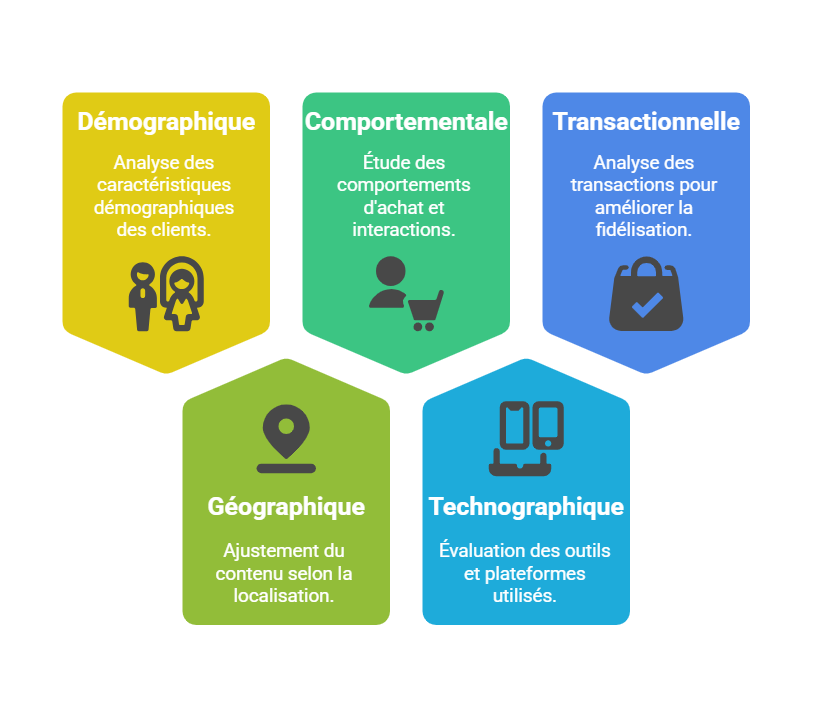
Les grandes catégories de segmentation
- Démographique : âge, genre, revenu…
- Géographique : ajustement du contenu selon la localisation et les spécificités culturelles.
- Comportementale : analyse des interactions et historiques d’achat pour anticiper les besoins.
- Technographique : prise en compte des outils et plateformes utilisés pour une expérience fluide.
- Transactionnelle : étude de la fréquence et du panier moyen pour optimiser la fidélisation.
 Par exemple, une marque de cosmétiques pourrait proposer un questionnaire à son audience pour déterminer son type de peau, et ensuite lui faire parvenir des mails avec des conseils et des produits spécifiques pour ses besoins.
Le rôle clé du CRM et de l’automatisation
Centraliser et structurer les données
Les points de contact tels que les sites web, les réseaux sociaux et les e-mails permettent de collecter des informations clients variées. La centralisation de ces données permet de mieux comprendre les tendances émergentes et les comportements clients, permettant d’ajuster les stratégies en temps réel.
Définissez des segments actionnables et évolutifs pour structurer efficacement votre stratégie de segmentation. Ces segments doivent être basés sur des critères pertinents, tels que les comportements d’achat ou les préférences des clients, pour garantir qu’ils répondent aux objectifs marketing.
Un CRM bien configuré permet de regrouper toutes les interactions clients et de créer des segments évolutifs. “L’erreur classique, c’est de segmenter une fois et de ne plus y toucher. La segmentation doit être un processus vivant”, rappelle Jérémy Bourdais.
Exploiter l’IA pour affiner la segmentation
L’IA permet de détecter des tendances et d’adapter les campagnes en temps réel. Les algorithmes prédictifs, par exemple, permettent d’analyser des volumes massifs de données clients afin d’identifier des tendances et des comportements émergents. Grâce à cette anticipation des besoins, vous pouvez offrir des recommandations de contenu personnalisées, pour améliorer la satisfaction du client.
En générant des insights basés sur les données, l’IA permet d’ajuster en temps réel les campagnes pour qu’elles soient toujours pertinentes. Les spécialistes du marketing peuvent alors cibler plus précisément chaque segment avec des messages adaptés, maximisant l’impact de leurs actions.
Un site e-commerce peut utiliser l’IA pour identifier les clients à risque de churn et leur proposer des réductions exclusives, au bon moment.
De la segmentation à l’optimisation SEO
Segmentation et stratégie de mots-clés
Adapter les mots-clés à chaque segment permet aux professionnels d’aligner leurs efforts sur les besoins spécifiques de chaque groupe. Cela implique d’abord de comprendre les données comportementales des utilisateurs. En analysant ces données, les intentions de recherche sont mises en évidence, permettant de sélectionner des mots-clés plus pertinents pour chaque segment.
“Le SEO n’est pas qu’une question de mots-clés, c’est une question d’intention utilisateur. Que recherchent-ils vraiment ?”, précise Jérémy Bourdais.
Pour une efficacité optimale, explorez différentes expressions qui correspondent aux intentions des utilisateurs, sans vous limiter à une seule catégorie de mots-clés – et même si leur volume de recherche est faible. Cette diversification des mots-clés peut améliorer votre visibilité sur les moteurs de recherche.
Personnalisation du contenu
La personnalisation des pages par segment optimise le SEO tout en améliorant l’expérience utilisateur. Cela implique de structurer les landing pages selon des segments spécifiques, en adaptant le contenu aux besoins et problématiques de chaque typologie de client.
Par exemple, un SaaS pourrait créer des pages distinctes pour chaque industrie qu’il sert, chacune mettant en avant les cas d’utilisation pertinents pour ce secteur. Cette approche répond précisément aux préoccupations des utilisateurs et renforce naturellement la pertinence de la page.
Utiliser des éléments comme le remplacement dynamique de texte peut enrichir la personnalisation, en ajustant les titres et les appels à l’action en fonction des données utilisateur. Cette méthode crée une expérience sur mesure qui facilite la conversion, en parlant directement aux besoins de chaque visiteur.
Amélioration du maillage interne et du parcours utilisateur
En adaptant le maillage interne aux différents segments de votre audience, vous facilitez la navigation selon les profils utilisateurs. Intégrez des liens stratégiques qui guident naturellement vos visiteurs vers les contenus pertinents.
Un site de formation peut rediriger un débutant vers un guide d’introduction et un expert vers une étude de cas avancée.
Renforcez cette stratégie en adaptant vos CTA selon chaque segment. “Un segment de nouveaux visiteurs sera incité à s’inscrire à une newsletter, tandis qu’un segment de clients réguliers sera plutôt encouragé à explorer des produits complémentaires”, explicite Jérémy Bourdais.
Maximiser la conversion grâce à la segmentation
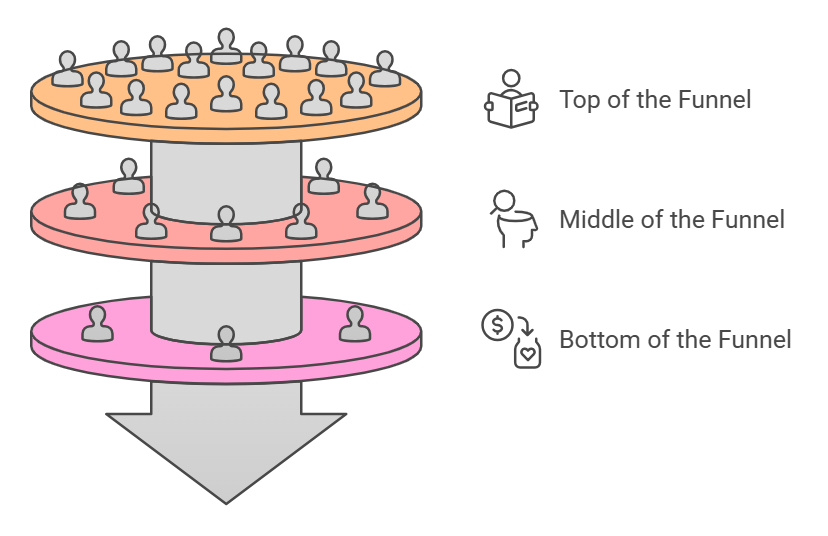
Contenus personnalisés pour chaque étape du parcours
- Top of the Funnel : articles éducatifs, contenus informatifs et guides pratiques.
- Middle of the Funnel : contenus approfondis, études de cas et comparatifs.
- Bottom of the Funnel : démonstrations et offres exclusives.
Plus on descend dans le tunnel d’achat, plus les contenus doivent être personnalisés et inciter à la conversion.
Tests A/B
Les tests A/B permettent d’affiner les messages et les visuels selon chaque segment. Vous pouvez comparer différentes versions de contenu ou de design pour déterminer celle qui génère le meilleur engagement. Cette méthode s’appuie sur les données pour mesurer l’impact des variations sur chaque segment de clientèle. En analysant les résultats, les équipes peuvent affiner leur stratégie en continu, assurant ainsi une amélioration constante des performances.
“La segmentation ne se limite pas à mieux vendre, elle permet aussi de mieux écouter et comprendre ses clients”, déclare Jérémy Bourdais.
Remarketing
Le remarketing est particulièrement efficace en relançant les visiteurs selon leurs interactions antérieures avec le site. Les entreprises peuvent identifier les visiteurs intéressés mais indécis, et leur envoyer des messages ciblés qui ravivent leur intérêt, augmentant ainsi les chances de conversion.
Un site de voyage peut cibler les visiteurs ayant consulté une destination sans réserver en leur proposant des promotions sur les hôtels.
Ne parlez plus à tout le monde ; parlez à chacun. La segmentation n’est plus une option, c’est un impératif. C’est une conversation sur mesure avec chaque client. Ceux qui sauront personnaliser leur contenu ne capteront pas seulement l’attention, ils gagneront la confiance des consommateurs. À vous de jouer !
L’article “Data et segmentation : l’arme secrète des stratégies de contenu performantes” a été publié sur le site Abondance.