Pour qu’une stratégie de contenu soit efficace, plusieurs collaborateurs et équipes de l’entreprise doivent être alignés et impliqués dans son exécution. C’est là que la mise en place d’un comité éditorial se révèle indispensable.
Découvrez ce qu’un comité éditorial apporte à votre content marketing, comment le composer et l’animer pour optimiser votre stratégie marketing, ainsi que les outils essentiels pour une collaboration performante !
Pensez aussi à répondre à vos besoins en création d’articles en faisant appel à un rédacteur web freelance sur notre plateforme de rédaction Redacteur.com !
Qu’est-ce qu’un comité éditorial ?
Un comité éditorial regroupe des experts marketing aux spécialisations diverses (SEO, rédaction web, réseaux sociaux…) qui définissent l’ensemble du processus entourant la stratégie content marketing de votre entreprise.
Via des réunions hebdomadaires ou mensuelles, selon votre activité et votre volume de parutions, les membres discutent et échangent sur tous les aspects liés à vos contenus : rédaction, promotion, distribution, réutilisation, sponsorisation, etc.
Au départ, il décide des objectifs de votre content marketing, des normes de rédaction et du calendrier éditorial. Par la suite, les réunions du comité éditorial aident à coordonner les équipes marketing pour assurer une stratégie cohérente sur tous les canaux et les aligner vers le même objectif.
Qui doit participer au comité éditorial ?
Les membres du comité éditorial comprennent des experts provenant des différents services qui jouent un rôle dans l’exécution de la stratégie de contenu. Généralement, on y trouve :
Un rédacteur en chef
Ou un directeur de rédaction. Peu importe l’appellation, le comité éditorial doit être dirigé et animé par un spécialiste de la création de contenu. Le rédacteur (ou la rédactrice) en chef programme et dirige les réunions du comité en définissant les ordres du jour.
De plus, il gère le calendrier éditorial principal, propose et débat des sujets d’articles et donne les lignes directrices pour améliorer la stratégie content marketing.
Un content manager
Ce spécialiste du contenu au sens large va proposer des idées de thèmes pour les prochains articles, livres blancs, newsletter et toute autre parution. Son rôle est de recenser toutes les actions à entreprendre, que ce soit au niveau de la rédaction, de la distribution ou de la création graphique.
Une fois le plan d’action défini, il va manager son équipe de rédacteurs, graphistes, traducteurs, correcteurs ou encore community managers pour donner vie à la stratégie.
Un responsable marketing
Les contenus doivent s’imbriquer dans la stratégie marketing de l’entreprise et rejoindre les mêmes objectifs.
Le comité éditorial cale les thèmes et le calendrier en fonction des autres actions marketing en cours : Google Ads, organisation de webinaire, promotion d’un nouveau produit ou service, soldes, participation à un salon, etc.
Le but est d’obtenir une ligne éditoriale cohérente avec l’activité de l’entreprise, ainsi que la saisonnalité.

Un responsable SEO
Qui dit création de contenu dit forcément référencement ! Si vos articles doivent plaire à vos prospects et clients avant tout, pensez aussi à séduire Google en saupoudrant vos contenus avec des mots-clés pertinents.
Le responsable SEO donne des pistes sur les requêtes utilisées par vos leads et peut ainsi vous transmettre des idées de sujets pertinents pour améliorer votre classement dans les moteurs de recherche.
Un social media manager
Le social media manager détermine la stratégie de distribution et de promotion sur les réseaux sociaux. En participant au comité éditorial, il peut mieux piloter ses actions et distinguer les articles à partager sur LinkedIn de ceux à promouvoir sur Facebook, par exemple.
C’est aussi le moment de discuter de la stratégie publicitaire : quels seront les contenus à sponsoriser et sur quelle(s) plateforme(s) ?
À quoi sert le comité éditorial ?
Les réunions du comité éditorial se doivent d’être productives pour accompagner la mise en œuvre de la stratégie content marketing.
Trouver des idées de contenus
C’est l’axe principal de votre content marketing : les idées d’articles ! Quels sont les sujets à exploiter dans les semaines à venir ? Le comité éditorial liste des sujets de rédaction cohérents avec les actualités de l’entreprise et du secteur, mais aussi avec les besoins des clients ou prospects dans les semaines à venir.
Organiser la production et la publication
Maintenant que les idées de contenus sont listées, il faut les ajouter au planning éditorial. Le comité s’interroge aussi sur le format adapté à chaque sujet : article de blog, infographie, vidéo pédagogique, livre blanc, carrousel LinkedIn…
Mobiliser l’équipe
Lors de ces réunions, vous fédérez votre équipe rédactionnelle autour de la stratégie content marketing. Le fait d’échanger, de débattre et de rassembler les différentes parties prenantes renforce le sentiment d’appartenance des collaborateurs. Ils observent les retombées de leur implication quotidienne, ce qui conserve leur motivation !
Booster la créativité
Partager des idées, présenter sa veille et discuter avec votre équipe stimule la créativité. Chaque spécialiste peut ainsi trouver de nouvelles façons de présenter le contenu ou des sujets pour animer ses propres canaux. Plus votre ligne éditoriale est créative, plus vous arriverez à vous démarquer des concurrents.
Permettre la validation collégiale des contenus à publier
Le comité permet de vous mettre d’accord sur les sujets et les formats à publier. Le respect de la ligne éditoriale est assuré, tout comme la pertinence du calendrier de publication. Vous augmentez ainsi les chances de succès de votre content marketing.
Examiner et piloter les projets en temps réel
Les réunions du comité éditorial représentent aussi l’occasion de faire le point sur les projets en cours. C’est le moment d’analyser les retombées de vos contenus pour voir si des changements doivent être apportés.
Comment organiser un comité éditorial ?
Maintenant que le rôle d’un comité éditorial est bien défini, voyons comment l’organiser pour optimiser votre content marketing.

Mettre en place le comité
Qui va participer à ce comité ? Nous avons vu précédemment les différentes parties prenantes. Vous devez donc nommer chaque membre et les convaincre du bien-fondé de cette équipe de rédaction. Argumentez en faveur du gain de temps, de productivité et de créativité de ce comité !
Avec eux, discutez des lignes directrices de ce rendez-vous et voyez s’il doit être hebdomadaire ou mensuel. S’ils participent au fondement même du comité, ils seront plus enclins à le rejoindre.
Définir les outils à utiliser pendant le comité éditorial
L’objectif du comité éditorial est de réfléchir et partager des idées. Pour mieux les visualiser, les analyser, puis les valider, un outil de brainstorming est idéal. Parmi les plus connus, vous trouverez :
Draft.io

Draft.io, qui dispose d’une version gratuite, vous offre un espace de travail flexible et visuel où stocker et organiser vos idées. Vous pouvez ensuite les transformer en cartes, maps, tableaux ou même planning pour piloter vos décisions.
Coggle
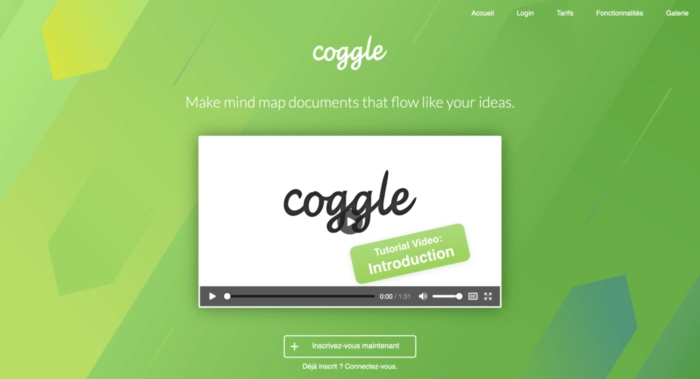
Si vous avez beaucoup de contenus à produire et un comité éditorial étoffé, Coggle propose un dashboard en ligne très puissante.
Vous pourrez créer des cartes et diagrammes complexes pour donner vie à vos clusters de contenus. C’est l’occasion d’organiser les sujets par campagne marketing, canal ou format, en fonction de vos besoins.
Lucidchart

L’outil en ligne Lucidchart transforme vos idées en graphiques et diagrammes intelligents. Vous mettez de l’ordre dans vos propositions pour prendre des décisions collectives, éclairées et performantes !
Préparer des activités
Pensez à ajouter une touche ludique à ce comité éditorial. Ces réunions sont aussi l’occasion d’organiser des team-building. Et pourquoi ne pas réunir l’équipe dans un lieu différent ? Restaurant, espace de co-working, hôtel… Les endroits ne manquent pas !
Comment animer un comité éditorial ?
Pour assurer le succès du comité éditorial, il faut l’animer efficacement. Durée, atelier, compte-rendu… Prenez le temps d’apporter de la structure et un cadre à vos réunions.
Quelle est la durée idéale pour un comité éditorial ?
En fonction de la taille de l’équipe et de votre rythme de publication, la durée du comité éditorial sera plus ou moins longue. Cependant, ces réunions doivent être efficaces avant tout !
Dans le cas d’une TPE, 30 minutes sont parfois suffisantes. Cela peut monter à une heure si vous publiez quotidiennement sur les réseaux sociaux et plusieurs fois par semaine sur le blog.
Évitez de dépasser les deux heures. La concentration risque de diminuer en fin de séance…
À quelle fréquence faire vos comités éditoriaux ?
Hebdomadaire, mensuel, trimestriel ? La fréquence dépend du volume de publications, mais aussi de votre dépendance à l’actualité. Si votre secteur d’activité est en évolution constante, il faut rapprocher les réunions.
En fait, les questions à se poser pour définir le rythme idéal sont :
- À quelle fréquence devons-nous analyser la stratégie content marketing ?
- Combien de temps à l’avance souhaitons-nous définir le calendrier éditorial ?
En fonction de ces réponses, organisez un comité éditorial hebdomadaire, mensuel ou trimestriel ! Cela dépend aussi de la quantité de textes que vous devez produire, de la taille de l’équipe et de facteurs propres à votre entreprise.
Quels types d’ateliers faire pour animer un comité éditorial ?
Lors de la mise en place du comité éditorial, vous pourriez démarrer par une présentation de l’activité de chacun. Les membres peuvent dérouler leur parcours, mais aussi leurs missions quotidiennes.
Chaque rendez-vous peut aussi démarrer par un quiz préparé par le rédacteur en chef ou le responsable marketing. Les questions porteront sur les nouvelles tendances du digital et/ou sur les nouveautés du marché. C’est un moyen ludique de partager sa veille et ses connaissances.
N’hésitez pas à réaliser des ateliers différents à chaque comité. Travaillez à partir de persona pour trouver des idées de sujets, réalisez un benchmark concurrentiel pour le suivant, trouvez des titres d’articles à partir des produits ou des services de l’entreprise.
Les approches pour réaliser vos comités éditoriaux sont multiples et dépendent également du secteur d’activité.
Faire un compte-rendu du comité
À chaque réunion, vous devez désigner un membre pour prendre des notes et envoyer un compte-rendu à tout le monde. Idéalement, attribuez cette tâche à tour de rôle.
Ce document servira de feuille de route jusqu’au prochain comité. D’ailleurs, à chaque début de réunion, vous pouvez reprendre le compte-rendu pour vérifier que tous les points ont bien été traités.
Notre astuce pour mettre en place un comité éditorial
La mise en place d’un comité éditorial prend parfois du temps, mais sur le long terme, elle permet de gagner en productivité et en efficacité. Vous vous assurez d’avoir une ligne directrice performante pour votre marketing de contenu. Toutes les expertises convergent vers un même objectif et travaillent ensemble pour l’atteindre.
Vous souhaitez être accompagné dans la création de vos contenus et renforcer votre équipe de rédaction ? Passez commande des textes identifiés lors de vos comités éditoriaux en faisant appel à un rédacteur sur notre plateforme de rédaction.
L’article Comment créer et animer un comité éditorial ? est apparu en premier sur Redacteur.com.