Si Google récompense volontiers les sites internet qui mettent en place une stratégie de référencement SEO mêlant qualité et éthique en améliorant leurs positions dans la SERP, le célèbre moteur de recherche accorde également des pénalités lorsque des pratiques douteuses sont suspectées.
Faire appel à un rédacteur SEO vous permettra d’offrir aux internautes et à l’algorithme de Google des contenus de qualité, sans crainte de représailles.
Découvrez ce qu’est une pénalité Google, ses différentes formes, ses principales sources et les sanctions qu’elles entraînent, comment les détecter, y remédier et les éviter ainsi que notre astuce pour ne pas avoir affaire à elles.
Qu’est-ce qu’une pénalité Google ?
Comme en sport, les pénalités de Google sont là pour sanctionner un “mauvais comportement” ou une “faute de jeu” (appelés aussi Black Hat SEO) dans le monde du référencement naturel particulièrement affectionné par le moteur de recherche. En somme, un ou plusieurs éléments et/ou contenus de votre site web ne correspondent pas aux attentes spécifiées dans les consignes aux webmasters (ou guidelines) du membre du GAFA.
Ses pénalités ont une influence immédiate sur votre site internet et son classement, donc sur sa visibilité et son trafic. Vous devrez rapidement les repérer afin de ne pas rester trop longtemps sur le banc de touche et de limiter leur impact.
Les différents types de pénalités Google
Grâce à un ensemble de filtres algorithmiques et humains, le moteur de recherche passe au peigne fin l’ensemble des pages du web. 2 types de pénalités peuvent venir affecter votre site une fois celui-ci analysé :
Pénalité manuelle
Elle résulte d’une analyse complète de votre domaine par les membres de l’équipe qualité de Google ou Webspam et est donc attribuée manuellement par un être humain.
Sans être un “délinquant SEO” avec des pratiques extrêmement douteuses, votre site a peut-être été mentionné dans les rapports spams des internautes, peut contenir des pages avec des liens morts, ou présentant un contenu peu qualitatif ou mal optimisé.
La pénalité manuelle est la plus facile à détecter et à résoudre.
Pénalité liée à l’algorithme

Une pénalité algorithmique est généralement attribuée lorsqu’une mise à jour ou un rafraîchissement sont opérés sur les algorithmes de Google. Les plus connus sont :
- Panda, qui analyse la qualité et la pertinence de vos contenus ainsi que l’absence de duplicate content.
- Pingouin, qui porte son regard sur votre netlinking et votre maillage interne, en vérifiant la qualité des liens (backlinks et liens sortants) et si aucun abus n’est avéré.
Passé au travers de ces filtres modifiés, votre contenu, ou la configuration de votre site, ne correspondent désormais plus aux critères demandés et tout ou partie de votre site est sanctionné.
La pénalité algorithmique est plus difficile à repérer qu’une pénalité manuelle, d’autant plus que la plupart des mises à jour ne sont pas annoncées.
Les principales sources de pénalités Google
Les principales causes de sanction de la part du moteur de recherche portent souvent sur le contenu de vos pages et les liens qui y sont associés :
- Liens artificiels menant ou sortant de votre site, menant à des contenus n’apportant pas de plus-value ou positionnés sur des ancres majoritairement optimisées non naturelles.
- Un ajout massif de liens dans un laps de temps très court pouvant être considéré comme non naturel.
- Un contenu de mauvaise qualité, trop court, dupliqué, peu informatif ou présentant une trop grande accumulation de mots-clés (suroptimisation).
- Données peu structurées, rendant la compréhension de votre site difficile aux Googlebots et mauvaise expérience de l’utilisateur.
- Des contenus AMP (Accelerated Media Page) non-correspondant, avec un contenu différent entre version web et mobile.
- La dissimulation de contenus (images, textes ou vidéos) et les redirections trompeuses, pouvant induire en erreur les utilisateurs ou offrant un contenu différent aux algorithmes et aux internautes (pages satellites).
Néanmoins, d’autres éléments peuvent amener à des sanctions de la part de Google :
- Un site piraté, démontrant une faille dans votre sécurité.
- L’association de votre site à du spam, que ce soit par vos actions (Black Hat) ou par les actions de votre hébergeur.
- Des pratiques d’achats ou publicités en trop grand nombre ou trompeuses pour les utilisateurs.
- Les actions de négative SEO, techniques Black Hat utilisées par des concurrents pour faire pénaliser votre site par Google, comme la mise en place massive de backlinks (liens externes renvoyant à votre site) de mauvaise qualité par exemple.
Les conséquences d’une pénalité de la part de Google

Quel que soit le type de pénalité, votre site internet sera impacté en étant déclassé sur un mot-clé, une URL, un sous-domaine ou sur le domaine complet (chute dans le classement des résultats de recherche), désindexé (une ou plusieurs pages peuvent disparaître de la SERP), voire blacklisté (votre site disparaît des recherches Google).
Dans tous les cas, le trafic sur votre site sera impacté et vous devrez faire le nécessaire pour rétablir une situation de confiance avec Google afin de ne pas perdre le fruit de vos efforts.
Néanmoins, une baisse de trafic sur votre site ne signifie pas pour autant que Google vous a pénalisé, et peut provenir de problèmes d’exploration ou de serveur, d’une perte d’audience sur une période particulière, la mise en place de nouveaux concurrents, de changement dans la présentation des résultats dans le moteur de recherche ou l’apparition de liens payants.
Comment détecter une pénalité Google ?
Pour détecter une pénalité, utilisez l’outil Google Search Console, cliquez sur l’onglet “Sécurité et Actions Manuelles”, puis sur “Actions Manuelles”. Vous y retrouverez les pénalités manuelles réalisées par les Quality Raters de Google, leur pourquoi, ainsi que les recommandations et actions à mener pour que celles-ci soient levées.
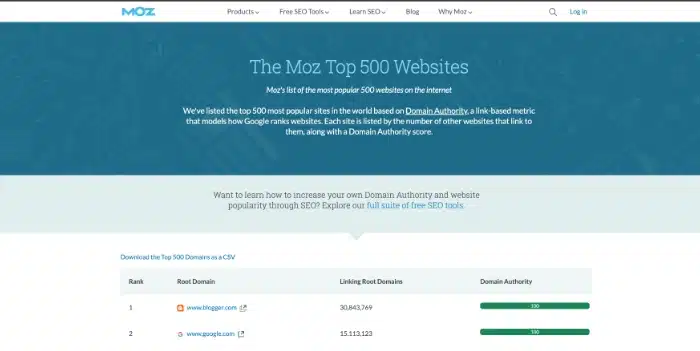
Si rien n’apparaît, alors vous êtes certainement en présence d’une pénalité algorithmique. Vérifiez dans Google Analytics les modulations de votre trafic afin de constater ou non une anomalie, les dates de mises à jour algorithmiques sur le site Moz et consultez vos outils de positionnement comme OnCrawl ou Monitorank pour voir si votre site ou des pages ont vu leurs positions chuter.
Comment remédier à une pénalité Google ?
Dans le cas d’une pénalité manuelle, suivez les instructions dans la Google Search Console puis demandez une réexamination auprès de l’équipe qualité de Google. Cliquez sur “Demander un avis” et fournissez l’ensemble des modifications que vous avez apportées pour que votre demande soit étudiée le plus rapidement possible. Tout devrait revenir à la normale pour vos pages si le problème est réglé. Un nouvel examen peut prendre plusieurs jours, voire plusieurs semaines.
Côté pénalité algorithmique, vous n’aurez aucune indication pour vous guider et vous devrez procéder à un audit pour déterminer quelles sont les causes de votre chute de trafic et les traiter une à une. Vous pouvez également consulter le site Moz, pour identifier les changements d’algorithme et leurs dates de mise en action.
Dans tous les cas, prenez le temps de :
- Supprimer vos contenus en double en les localisant grâce à Copyscape ou Duplicate Content Checker.
- Baisser le nombre de publicités à 2 pubs par page maximum.
- Améliorer votre contenu, en apportant une réelle plus-value aux internautes et en étudiant leurs attentes, sans saturer vos textes de mots-clés.
- Identifier vos backlinks et détecter ceux provenant de sites de mauvaise qualité. Vous pouvez demander le retrait manuel du lien au webmaster du site ou bien passer par la commande “Désavouer des liens vers votre site” dans la Google Search Console.
Cependant, vous ne pourrez pas faire de demande de réexamen de votre site, et il faudra attendre un nouveau passage des Googlebots ou une nouvelle mise à jour pour que vos modifications soient prises en compte. Vous devrez probablement attendre plusieurs semaines pour que la pénalité soit éventuellement levée.
Comment éviter les pénalités Google ?
Afin d’éviter les pénalités du moteur de recherche, plongez-vous dans les Guidelines à destination des webmasters afin de vous familiariser tout de suite avec les bonnes pratiques et d’éviter des surprises à venir.
Évitez les comportements “agressifs” ou “déroutants” pour les utilisateurs en abusant des techniques d’achats ou en les sollicitant trop souvent avec des pop-up par exemple.
Rechercher la qualité de vos contenus sans tomber dans le piège de les suroptimiser.
Enfin, soyez transparents avec Google en indiquant vos sources, et oubliez les tentatives de dissimulation car vous serez, tôt ou tard, percé à jour. Le classement de votre site repose sur la confiance accordée par Google et votre expertise.
Notre astuce pour éviter les pénalités Google
Les pénalités Google vous indiquent que les bonnes pratiques de la firme ne sont pas respectées sur votre site et que vous devez y apporter un certain nombre de modifications afin de mettre fin aux sanctions.
Afin de limiter un maximum les pénalités liées au contenu de vos pages et les courroux de Panda et Pingouin, vous pouvez faire appel à une plateforme de rédaction, qui trouvera les professionnels de l’écriture pour optimiser vos textes et apporter un réel plus à vos lecteurs en mettant en valeur votre expertise.
L’article Pénalité Google : comment la reconnaître et s’en sortir ? est apparu en premier sur Redacteur.com.