43 % des cyberattaques ciblent les TPE et PME, entraînant des pertes financières moyennes de 58 600 € par incident. Ces chiffres alarmants soulignent l’importance de renforcer la cybersécurité des petites entreprises, souvent perçues comme des cibles faciles par les hackers.
Cet article explore les enjeux et les risques liés à la sécurité informatique pour les structures restreintes, et propose des actions essentielles à mettre en œuvre pour protéger votre entreprise contre les menaces en ligne.
Les risques cybersécurité pour les TPE / PME
Les petites entreprises représentent une cible privilégiée pour les cybercriminels. En 2023, 60 % des petites entreprises ayant subi une cyberattaque ont fermé définitivement dans les six mois suivants. Les types d’attaques les plus fréquentes incluent le phishing, les ransomwares et les fuites de données.
Phishing
Le phishing consiste à tromper les employés pour qu’ils révèlent des informations sensibles, souvent via des emails ou SMS frauduleux. Ces attaques peuvent conduire à des violations de données et des pertes financières considérables.
Un exemple notable est celui de Tangerine Telecom. En 2023, l’entreprise a connu une importante fuite de données après que des identifiants de connexion aient été compromis. Une attaque qui a exposé les informations personnelles de plus de 200 000 clients.
Cet incident a non seulement menacé la sécurité des données clients, mais également soulevé des inquiétudes quant à la protection de la vie privée. De plus, la confiance des consommateurs envers l’entreprise s’est érodée.
Ransomware
Les ransomwares cryptent les données de l’entreprise afin d’exiger une rançon pour leur restitution. Ces attaques paralysent généralement les opérations et entraînent des pertes financières majeures.
En février 2024, le fabricant de batteries VARTA a été frappé par une cyberattaque qui a paralysé la production dans cinq de ses usines. Cet exemple illustre la vulnérabilité des infrastructures industrielles et les répercussions majeures que peuvent avoir les failles de cybersécurité sur la continuité des opérations commerciales. Affecter directement la capacité de production génère souvent des conséquences négatives sur les relations clients et impacte les revenus de l’entreprise.
Fuites de données
Les fuites de données se produisent souvent en raison de configurations inadéquates des systèmes ou des interfaces API.
En avril 2019, Facebook a subi une fuite massive, où les données de près de 540 millions d’utilisateurs ont été exposées sur des serveurs Amazon S3, mal configurés par des développeurs tiers.
En 2023, Trello s’est retrouvé dans la tourmente à cause d’une configuration erronée de l’API publique de l’outil. La faille a permis l’exposition non autorisée d’informations sensibles de 15 millions de comptes.
Plus récemment, la CNIL a ouvert une enquête suite à la violation de données de deux opérateurs de tiers payant en France (Viamedis et Almerys). Une cyberattaque résultante de mauvaises configurations des systèmes et d’un manque de mesures de protection adéquates, qui a dévoilé les renseignements personnels et médicaux de millions d’assurés.
Les actions essentielles pour améliorer la cybersécurité de votre TPE / PME
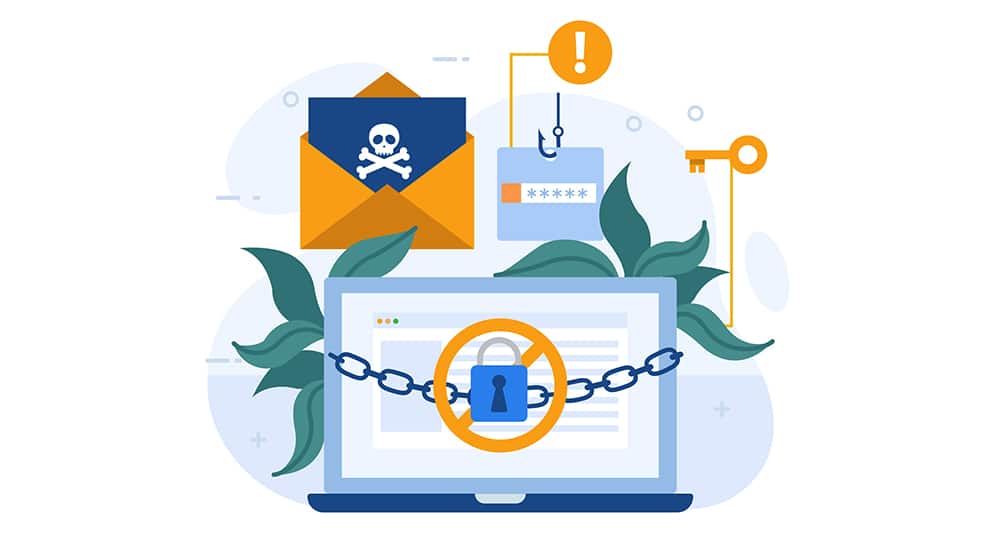
Comme nous l’avons démontré précédemment, les conséquences d’une cyberattaque incluent la perte de données sensibles, des interruptions d’activité prolongées et des coûts élevés de nettoyage.
Protéger les informations sensibles de vos clients et employés est donc primordial pour assurer la continuité des activités et renforcer la réputation de l’entreprise.
Voici les principales bonnes pratiques à adopter pour améliorer la cybersécurité de votre TPE / PME :
Sensibiliser et former le personnel
Former les employés aux bonnes pratiques de sécurité est une priorité. Les programmes de sensibilisation réguliers aident à prévenir les menaces comme le phishing et les malwares. Des ateliers et des sessions de formation rendent les employés conscients des risques et des mesures à prendre pour se protéger et protéger l’entreprise.
Un consultant en cybersécurité peut intervenir dans votre entreprise pour sensibiliser vos équipes.
Mettre à jour régulièrement les logiciels et systèmes
Les mises à jour régulières des logiciels et des systèmes comblent les vulnérabilités et empêchent l’exploitation des failles. Automatiser les mises à jour, utiliser un pare-feu et installer des logiciels antivirus modernes renforcent la protection et minimisent les risques.
Utiliser des mots de passe forts
Des mots de passe robustes et uniques pour chaque compte sont essentiels pour améliorer la cybersécurité de votre TPE / PME. Utiliser des gestionnaires de mots de passe aide à créer et à gérer ces identifiants complexes. De plus, un changement régulier (tous les 30 à 90 jours, par exemple) des mots de passe renforce la lutte contre le piratage.
Activer l’authentification à deux facteurs
Par ailleurs, pensez à activer l’authentification à deux facteurs (2FA) pour ajouter une couche de sécurité supplémentaire. Cette bonne pratique rend plus difficile l’accès non autorisé à votre infrastructure réseau, à vos applications et outils internes.
Sauvegarder régulièrement vos données
Les sauvegardes régulières des données permettent une récupération rapide après une éventuelle cyberattaque. Il est recommandé de réaliser des backups fréquents et de diversifier les solutions de stockage (cloud et local) pour vous assurer que les données critiques sont protégées et récupérables en cas de sinistre.
Sécuriser les réseaux Wi-Fi
Utiliser des mots de passe complexes pour les réseaux Wi-Fi et changer régulièrement les accès renforcent la protection contre les cyberattaques. Côté chiffrement, préférez le WPA3 qui offre une protection avancée contre les intrusions.
Si votre entreprise accueille du public, vous pouvez aussi segmenter les réseaux, en créant, par exemple, un réseau invité distinct du Wi-Fi interne.
Surveillez activement les intrusions
La surveillance active des réseaux et systèmes permet de détecter rapidement les comportements anormaux et les tentatives de piratage. Il est conseillé d’utiliser des systèmes de détection d’intrusions (IDS), souvent plus réactifs et efficaces que les antivirus simples, pour alerter les administrateurs en cas d’activité suspecte.
Mettre en place de politiques de sécurité
Des politiques de sécurité claires et bien définies encadrent les comportements des employés et préviennent les failles de sécurité. Ce règlement peut inclure l’interdiction des appareils personnels, les accès aux données sensibles et les protocoles à suivre en cas d’incident de sécurité.
Communiquez efficacement cette politique via des emails internes, mais aussi en l’affichant dans chaque bureau et dans l’open-space.
Notre dernier conseil pour améliorer la cybersécurité de votre TPE
Améliorer la cybersécurité de votre TPE / PME est un investissement indispensable pour protéger votre entreprise. En mettant en œuvre les actions recommandées dans cet article et en restant vigilant, vous pouvez réduire significativement les risques.
Un dernier conseil : faites appel à un consultant en cybersécurité sur notre plateforme de freelances, Codeur.com. Il vous aidera à identifier les vulnérabilités spécifiques de votre entreprise et à mettre en place des mesures efficientes pour les corriger.