LinkedIn, réseau social emblématique des professionnels, évoluer au fur et à mesure des habitudes de ces utilisateurs. Dernièrement, une transformation majeure se dessine : la montée en puissance des vidéos. LinkedIn semble tester un flux entièrement dédié à ce format phare sur Internet. En effet, 86% des Français regardent des vidéos chaque semaine…
Mais la vidéo est-elle vraiment adaptée à une plateforme où les utilisateurs sont souvent en plein milieu de leur journée de travail ? Peut-on vraiment s’attendre à la voir devenir le format de référence sur un réseau dédié au monde du business ?
Tentons d’y voir plus clair à travers cet article…
Le format vidéo LinkedIn : un nouvel outil de mise en avant
Une nouveauté discrète, mais notable, fait son apparition sur LinkedIn : un flux entièrement dédié aux vidéos, que l’on retrouve désormais dans l’application mobile.
Depuis mars 2024, un groupe restreint d’utilisateurs a eu la chance de tester une section nommée “Vidéo”, présentées sous forme de carrousel horizontal dans le fil d’actualité. Ce flux LinkedIn semble s’appuyer sur un algorithme qui propose des contenus en fonction de l’activité récente et du profil des utilisateurs.
En cliquant sur une vidéo, un flux vertical s’ouvre, similaire à TikTok, permettant de faire défiler d’autres contenus d’un simple swipe vers le bas. Chaque vidéo est interactive : elle peut être aimée, commentée ou partagée, ce qui encourage les échanges et l’engagement.
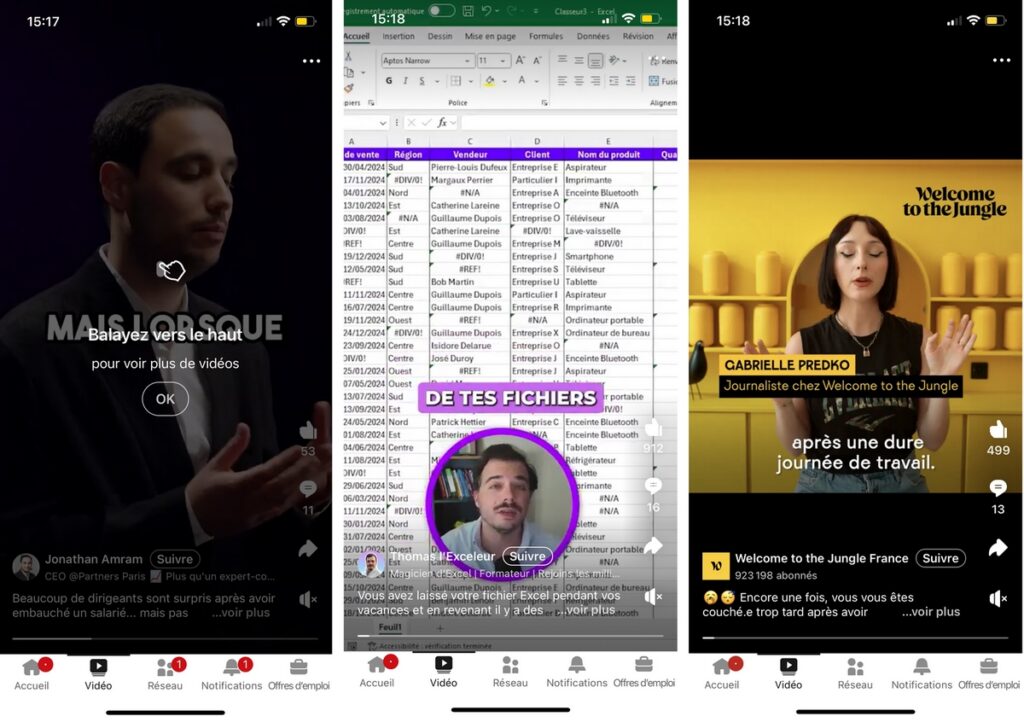
Cet espace dédié mettra en avant des clips intemporels liés à l’actualité, au monde professionnel ou au développement personnel.
Cependant, cette innovation soulève des questions : la vidéo peut-elle réellement s’imposer dans un univers jusqu’ici dominé par des formats textuels et visuels plus statiques, tels que les carrousels et les articles ?
Une évolution qui pénalise les autres formats ?
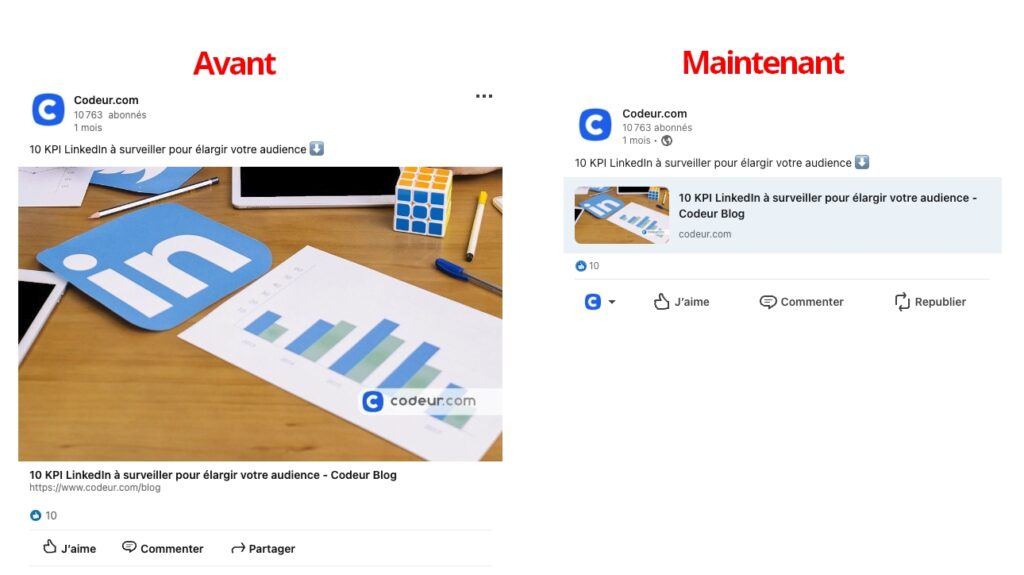
Depuis quelques mois, les autres formats de contenu, notamment les liens, semblent moins mis en avant. Alors qu’ils occupaient autrefois tout l’espace du fil d’actualité, ils sont aujourd’hui réduits à un petit cadre accompagné d’une image discrète, comme le montrent les captures d’écran ci-dessous :
La vidéo, quant à elle, semble bénéficier de toute l’attention :
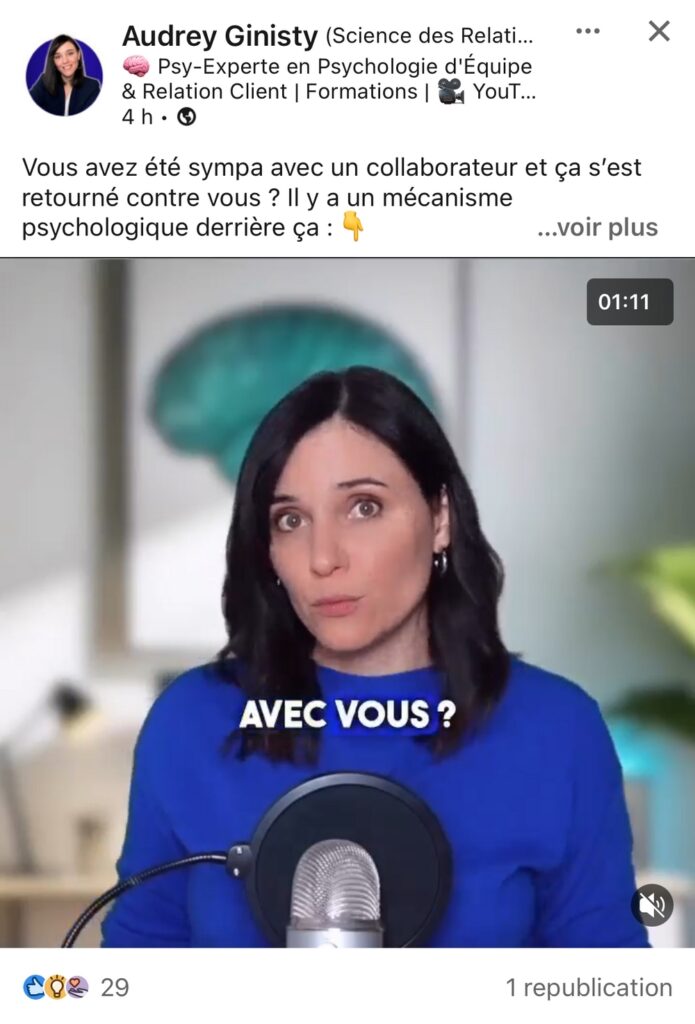
Ce changement est-il une stratégie délibérée de LinkedIn pour promouvoir ce nouveau format ?
D’après une étude récente menée par Metricool, les vidéos sur LinkedIn génèrent un taux de commentaires similaire à celui des carrousels ou des images, tout en captant l’attention des utilisateurs pendant 13 à 15 secondes en moyenne.
Un temps d’attention qui peut sembler restreint, mais parfaitement adapté au snack content.
Bien que les indicateurs actuels soient prometteurs, il est encore trop tôt pour affirmer que la vidéo dominera LinkedIn. Jusqu’à présent, les contenus visuels comme les carrousels et les articles textuels restent rois.
Vidéo LinkedIn et environnement professionnel : un mariage compliqué
LinkedIn est un réseau où les utilisateurs se connectent souvent pendant leur temps de travail, au bureau, dans un environnement partagé et parfois bruyant. Alors, la vidéo est-elle vraiment le format idéal dans un tel contexte ?
Le son, élément central de ces contenus, représente un obstacle majeur. Peu de professionnels peuvent se permettre de lancer une vidéo en plein bureau, d’où l’importance majeure des sous-titres. Laisser de côté cet aspect revient à exclure une partie importante de l’audience.
Pour adapter les vidéos à LinkedIn, d’autres recommandations s’imposent : des vidéos courtes (moins d’une minute), des sous-titres automatiques et des messages clés bien visibles à l’écran.
De cette manière, les professionnels peuvent consommer du contenu vidéo sans déranger leur entourage et sans manquer les informations importantes.
Notre dernier conseil pour utiliser la vidéo sur LinkedIn
La vidéo pourrait bien devenir le nouveau format phare sur LinkedIn, à condition d’être utilisée avec pertinence. Si vous optez pour ce type de contenu, n’oubliez pas qu’il doit s’adapter à l’environnement professionnel de la plateforme.
Ainsi, préférez des vidéos courtes, sous-titrées et avec des messages clairs et percutants qui captent rapidement l’attention. Bien entendu, tester ce format est essentiel, mais il est tout aussi important de ne pas délaisser les textes, carrousels et infographies, qui continuent de générer l’engagement des utilisateurs.
Enfin, pour maximiser l’impact de vos vidéos et de vos autres publications sur LinkedIn, pensez à faire appel à un community manager freelance sur Codeur.com !