2023 a été l’année de l’inclusivité, de la confiance, de l’humanisation et du participatif !
Alors que 2024 est enfin arrivée, prenons le temps de consulter les oracles du marketing pour anticiper les 11 tendances à intégrer dans votre stratégie marketing !
1. L’essor de l’hyper-personnalisation des contenus
En 2024, l’hyper-personnalisation émerge comme une tendance incontournable dans le domaine du marketing, transformant radicalement la manière dont les entreprises interagissent avec leur public.
Conscientes de l’importance croissante de créer des expériences uniques et significatives, les marques investissent massivement dans des technologies avancées telles que l’intelligence artificielle et l’apprentissage automatique pour analyser en profondeur les comportements des consommateurs.
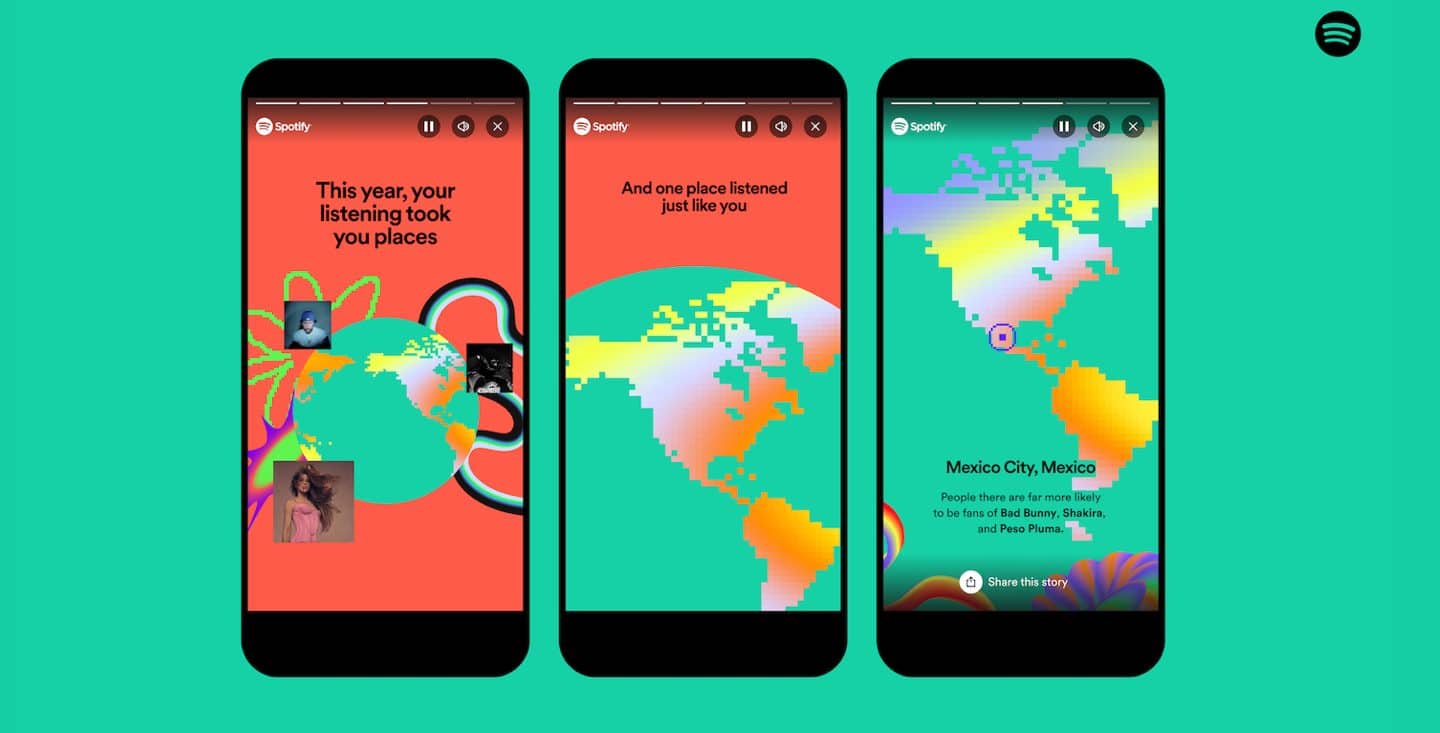
Cette approche va au-delà de la simple personnalisation en utilisant le nom du destinataire dans un e-mail ; elle vise à comprendre les préférences individuelles, les habitudes d’achat et même les émotions pour proposer des contenus hautement pertinents.
Cette évolution vers l’hyper-personnalisation représente un changement radical dans la manière dont les marques communiquent, mettant en avant la nécessité de comprendre profondément le consommateur pour offrir des expériences uniques et mémorables.
L’hyper-personnalisation des contenus sera également propulsée par l’utilisation avancée de l’intelligence artificielle (IA). Les entreprises adoptent des solutions basées sur l’IA pour analyser d’énormes volumes de données comportementales et transactionnelles, permettant ainsi une compréhension approfondie des besoins et des préférences individuels.

Grâce à ces technologies, les marques peuvent non seulement segmenter leur audience de manière plus fine, mais également prédire les tendances émergentes, offrant ainsi des expériences personnalisées avant même que le consommateur ne les recherche activement.
Cette utilisation stratégique de l’IA redéfinit la frontière entre la personnalisation et la prédiction, ouvrant la voie à des interactions plus pertinentes et engageantes entre les marques et leurs audiences.
2. Des employés comme ambassadeurs de marque
Selon une étude d’Akeneo, 49% des consommateurs abandonnent une marque si ses employés ne sont pas bien informés. Sans compter qu’une mauvaise attitude des collaborateurs empêche les visiteurs de se convertir.
N’oubliez jamais que vos équipes constituent le visage humain de votre entreprise. Pour faire d’eux des ambassadeurs en 2024 :
- Offrez-leur une formation pour une meilleure connaissance de vos produits.
- Autorisez-les à publier du contenu sur la culture, les produits et les services de votre entreprise : aidez-les en fournissant un guide et des publications toutes prêtes à partager sur les réseaux sociaux.
- Mettez leur expertise en valeur en les invitant à rédiger des articles pour le blog : interviewez-les en vidéos, présentez leur profil sur les réseaux sociaux, etc.
3. L’automatisation artificielle

En 2024, l’automatisation alimentée par l’intelligence artificielle (IA) se positionne au cœur des stratégies marketing, redéfinissant les processus opérationnels et améliorant l’efficacité globale.
Les entreprises intègrent de plus en plus des solutions d’automatisation basées sur l’IA pour optimiser des tâches répétitives et chronophages, libérant ainsi du temps pour des activités à plus forte valeur ajoutée. Des chatbots intelligents alimentés par des algorithmes sophistiqués assurent des interactions client instantanées et personnalisées, améliorant la satisfaction client tout en réduisant la charge de travail des équipes de service client.
De même, dans le domaine du marketing digital, les campagnes publicitaires sont de plus en plus gérées par des systèmes automatisés qui ajustent en temps réel les budgets, les ciblages et les contenus en fonction des performances passées et des objectifs prédéfinis.
Cette automatisation alimentée par l’IA offre une agilité sans précédent, permettant aux entreprises de rester réactives dans un paysage marketing en constante évolution, tout en maximisant l’efficacité opérationnelle et en optimisant les résultats.
4. Le marketing hybride
Digital ou physique ? Quel canal privilégier ? Les deux ! Si les consommateurs sont de plus en plus nombreux à commander des produits ou services en ligne, ils tiennent encore aux magasins physiques. Le prochain défi des entreprises reste donc d’offrir une expérience hybride. 75% des entreprises s’apprêtent déjà à investir dans cette expérience, d’après le rapport Deloitte.
Pour réussir votre stratégie marketing hybride :
- Utilisez une image de marque cohérente sur tous les supports et canaux.
- Créez une expérience homogène à chaque point de contact : si un client voit un produit dans votre magasin ou lors d’un salon professionnel, il doit le retrouver sur vos canaux numériques.
- Adaptez le contenu à chaque plateforme.
- Collectez des données à chaque point de contact : recueillez les informations des prospects rencontrés en personne et ajoutez-les à votre CRM pour les recontacter via des moyens digitaux par la suite (email, SMS, LinkedIn…)
À lire aussi : Top 15 des meilleurs blogs marketing à suivre en 2024
5. Le marketing expérientiel
Le marketing expérientiel se concentre sur la création d’une expérience utilisateur basée sur la marque, et pas seulement sur le produit. Les expériences varient selon les entreprises et les secteurs. Les événements d’entreprise, les webinaires et les concours sont parmi les exemples les plus courants de marketing expérientiel.
Prenons le géant de la technologie Apple. Il a récemment organisé des “promenades photo“, au cours desquelles un employé guide les consommateurs dans un lieu et leur apprend à réaliser de belles photos depuis leur iPhone.

Le marketing expérientiel permet aux clients de s’engager avec la marque et de se connecter avec ses valeurs et de sa personnalité. En 2024, on verra de plus en plus d’événements locaux et réels, organisés par des entreprises.
6. Le marketing programmatique
Le marketing programmatique est l’automatisation de l’achat d’espaces publicitaires. Une stratégie qui permet de déléguer le processus d’enchères à un algorithme pour consacrer plus de temps à l’optimisation des campagnes.
De nombreuses marques affectent désormais jusqu’à 54% de leurs budgets publicitaires au marketing programmatique. Cette technique facilite l’analyse des données en temps réel et le ciblage de l’audience. Beaucoup plus de marques vont certainement l’adopter en 2024.
7. Un service client dopé à l’Intelligence Artificielle
L’IA permet d’intégrer deux stratégies marketing :
- Proposer les bonnes offres aux clients au bon moment ;
- Fournir un excellent service après-vente ;
L’IA peut lire les signaux et détecter en temps réel si un visiteur a l’intention d’acheter, de mettre à niveau son compte ou même d’annuler son abonnement. En l’intégrant dans votre expérience client, vous pouvez proposer automatiquement des offres uniques et pertinentes.
Cependant, les robots ne suffisent pas. Il est essentiel de conserver un côté humain dans votre service client. Par exemple, un chatbot qui n’offre que des interactions automatisées peut faire croire au client que l’entreprise privilégie les économies plutôt que la serviabilité.
Les consommateurs doivent pouvoir alerter un « humain » à tout moment de la conversation.
8. L’impact de l’authentique
En 2024, la quête d’un impact authentique dans le marketing s’intensifie, avec des entreprises cherchant à établir des connexions plus profondes avec leur public en adoptant des approches audacieuses et transparentes.

Un exemple marquant de cette tendance provient de Patagonia, qui a captivé l’attention du public lors du Black Friday en lançant une campagne unique avec le slogan “Don’t Buy This Jacket”. Cette initiative provocante visait à sensibiliser aux conséquences de la surconsommation et encourageait les consommateurs à réfléchir avant d’acheter de manière impulsive. En mettant en avant la durabilité et la responsabilité, Patagonia a non seulement créé un impact mémorable, mais a également renforcé son image de marque axée sur des valeurs authentiques.
Les consommateurs d’aujourd’hui recherchent des marques qui ne se contentent pas de vendre des produits, mais qui incarnent également des principes éthiques. Ainsi, l’accent mis sur la transparence et l’engagement authentique émerge comme une stratégie marketing efficace pour établir des relations durables et significatives avec une clientèle de plus en plus consciente et exigeante.
9. La Réalité Augmentée et la Réalité Virtuelle plus accessibles
La Réalité Augmentée et la Réalité Virtuelle offrent la possibilité de créer des publicités interactives et créatives. Avec le lancement du metaverse Facebook, ces technologies ont atteint un nouveau niveau.
En 2020, la taille du marché de la RA/RV a dépassé les milliards d’euros. En 2024, ce chiffre devrait atteindre 63,5 milliards d’euros. Pourquoi ? Parce que ces technologies deviennent plus avancées, plus accessibles et surtout moins chères. 2024 sera donc le début du grand saut dans le virtuel pour de nombreuses entreprises.
Parmi les récentes campagnes marketing intégrant la RA ou la RV, on peut citer la marque de vêtements Balenciaga. Cette dernière permet désormais aux joueurs de Fortnite d’acheter des tenues virtuelles, de la marque, directement dans le jeu.
10. L’IA au service du marketing d’influence
On estimait que le marché des influenceurs passerait la barre des 13 milliards en 2022, mais les chiffres s’avèrent bien plus élevés : le marketing d’influence pèserait près de 16.4 milliards de dollars. La majorité des spécialistes marketing consacrent plus de 20% de leurs dépenses au marketing d’influence.
La prochaine phase sera l’adoption généralisée de l’Intelligence Artificielle pour détecter les influenceurs les plus pertinents. En effet, les algorithmes sont capables de visionner et d’analyser des millions de contenus provenant des influenceurs en quelques instants. Ils peuvent donc fournir une sélection précise de partenaires potentiels pour remplir vos objectifs.
L’autre impact de l’IA sera la popularisation croissante des influenceurs virtuels. Ces personnages fictifs, créés par des algorithmes, gagnent en popularité auprès de la génération Z. Cette tendance s’est accentuée par le lancement des espaces virtuels comme le Metaverse de Facebook.
Samsung s’est d’ailleurs associée à la plus célèbre des influenceuses virtuelles, Lil Miquela, pour sa campagne #TeamGalaxy.
11. Le marketing se met à l’heure du streaming
De plus en plus de marques commencent à diversifier leur contenu pour offrir aux clients plus que de simples produits et services.
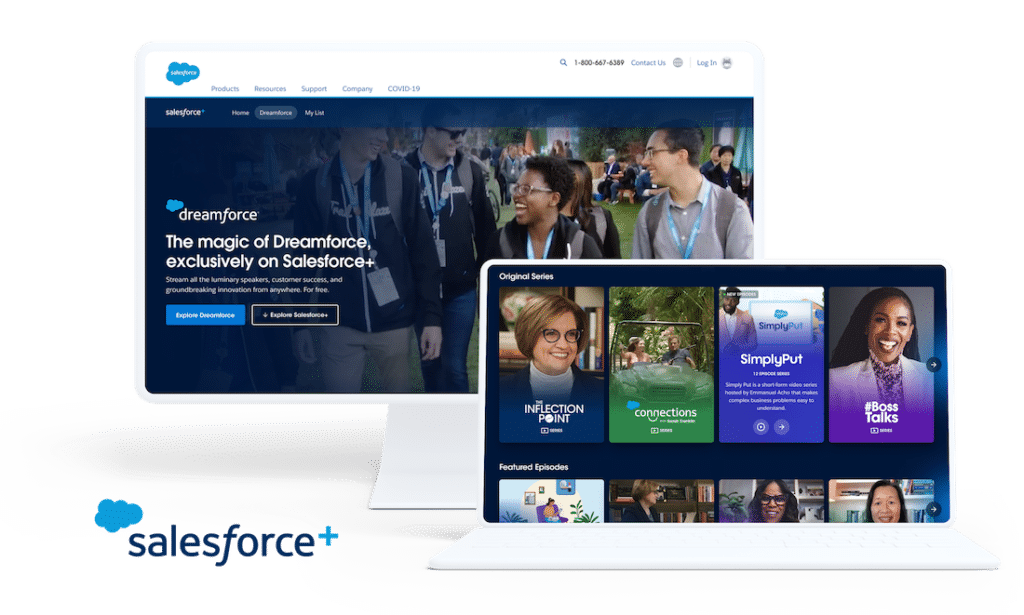
Le célèbre CRM Salesforce a récemment annoncé le lancement de Salesforce+. Un service de streaming destiné aux entreprises, employés de tout niveau et de tout secteur.
Les contenus proposés vont des podcasts aux séries, en passant par des expériences en direct et des interviews d’experts. Une façon unique d’attirer des prospects et de les convaincre de l’expertise de l’entreprise. Ces contenus à forte valeur ajoutée auront forcément un impact positif sur l’audience et devraient doper les ventes de Salesforce.
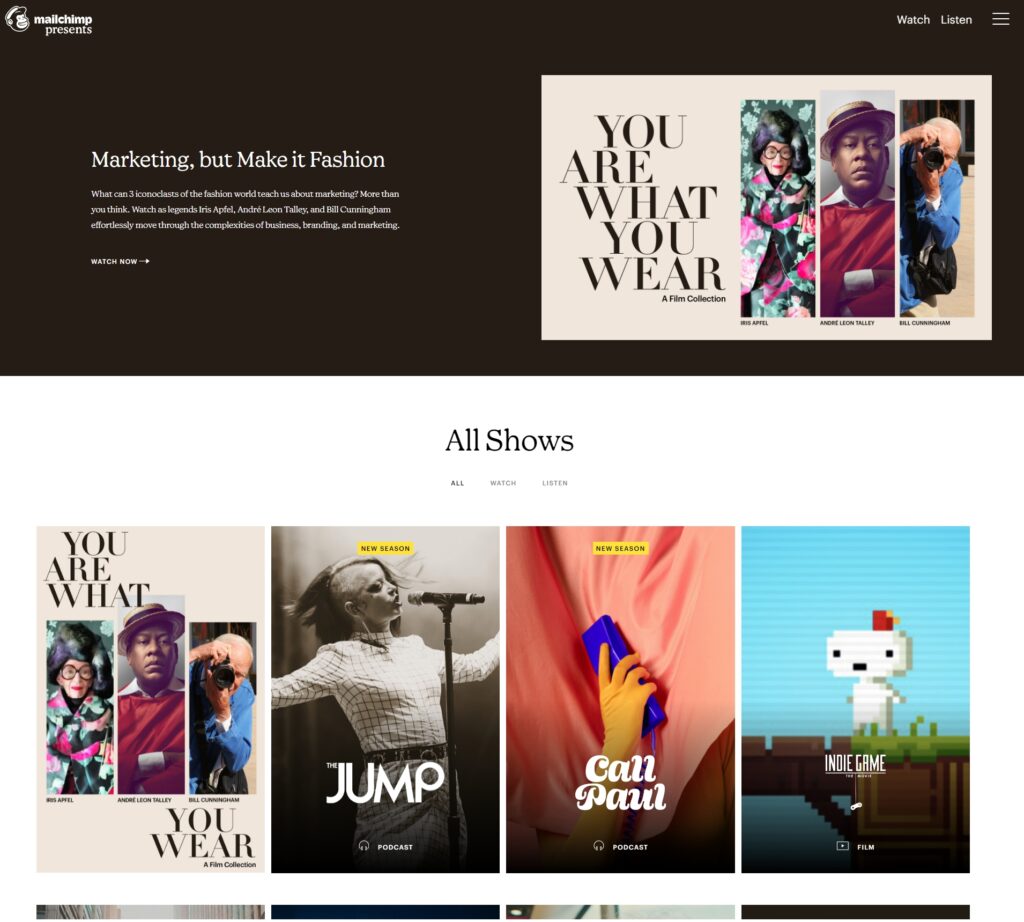
Autre exemple probant : Mailchimp ! L’outil d’emailing propose de nombreuses émissions sur sa plateforme « Presents ». Il offre, à la demande, des podcasts, documentaires, séries ou court-métrage produits par son studio interne. L’objectif est de démontrer sa créativité, tout en aidant son audience à résoudre ses problèmes ou trouver l’inspiration.
Conclusion
Vous disposez de toutes les informations pour intégrer les tendances marketing 2024 à votre stratégie.
Et si vous avez besoin d’aide, n’hésitez pas à faire appel à un freelance en postant une annonce sur Codeur.com !