Les chatbots sont en vogue, et peut-être que vous êtes tenté de lancer votre propre robot de messagerie basé sur l’intelligence artificielle afin d’interagir différemment avec vos clients sur le web.
Toutefois, cela ne s’improvise pas, et il est primordial de bien s’informer sur le sujet avant de se lancer dans la création de votre chatbot. Il existe quelques bonnes pratiques à connaître pour créer un chatbot de qualité. Découvrons-les ensemble.
1. Définissez bien le rôle de votre chatbot
Quand vous créez un chatbot, il est important de bien savoir où vous allez afin d’utiliser intelligemment votre bot : il ne doit pas s’agir d’un simple gadget sans véritable intérêt pour vous (et pour vos clients).
- Votre chatbot va-t-il être un moyen d’améliorer votre service client ?
- Un outil de lead nurturing ?
- Un support de communication ?
Fixez bien le(s) rôle(s) de votre bot : il doit présenter un avantage clair pour vos clients, sans quoi ces derniers le délaisseront.
Par exemple, la SNCF a lancé un bot qui a un véritable intérêt pour ses usagers, puisqu’il permet de les aider à trouver un voyage en train en un clin d’œil, mais aussi de se renseigner sur les taxis et les hôtels à proximité des gares.
2. Ne commencez pas trop gros
Rien ne sert d’intégrer trop d’options dans votre chatbot dès le départ. Vous devriez en premier lieu vous focaliser sur quelques point simples :
- Le bot doit communiquer de façon concise et compréhensible pour vos clients ;
- Il doit représenter votre marque et vos produits.
Commencez donc avec un chatbot simple, aux fonctionnalités réduites (mais soignées).
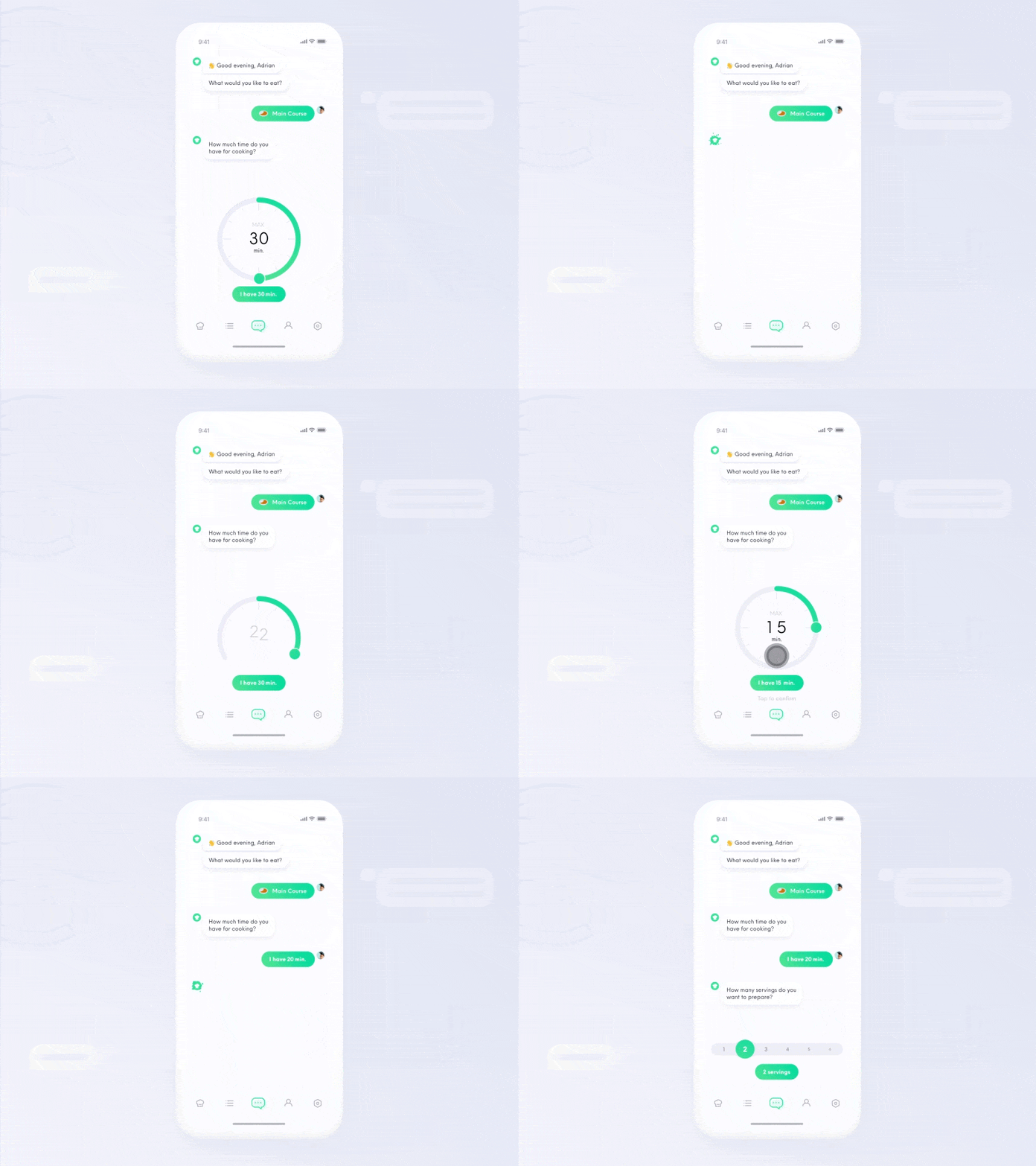
Chatbot réalisé par Lukáš Straňák
3. Améliorez votre chatbot continuellement
En commençant petit, vous ne pouvez que finir plus gros. Évaluez constamment votre chatbot (en le comparant avec ceux de vos concurrents, notamment) afin de l’optimiser pas à pas, d’ajouter de nouvelles fonctionnalités.
Il est important de rester aux aguets : les bots étant encore une technologie relativement nouvelle, qui sait quel genre d’usage vous pourrez en faire dans l’avenir ?
4. Donnez un nom unique à votre chatbot
Alors qu’une boutique de chatbots s’apprête à intégrer Facebook Messenger, les bots sont aujourd’hui plus que jamais un enjeu marketing pour les entreprises : c’est pourquoi il est essentiel que le vôtre se distingue des autres.
Un nom unique et facilement mémorisable peut contribuer à démarquer votre chatbot aux yeux des internautes – bien que cela ne remplace pas ses qualité intrinsèques – et le rend plus facile à rechercher et à trouver pour les utilisateurs.
5. Utilisez un bon outil de création de chatbot
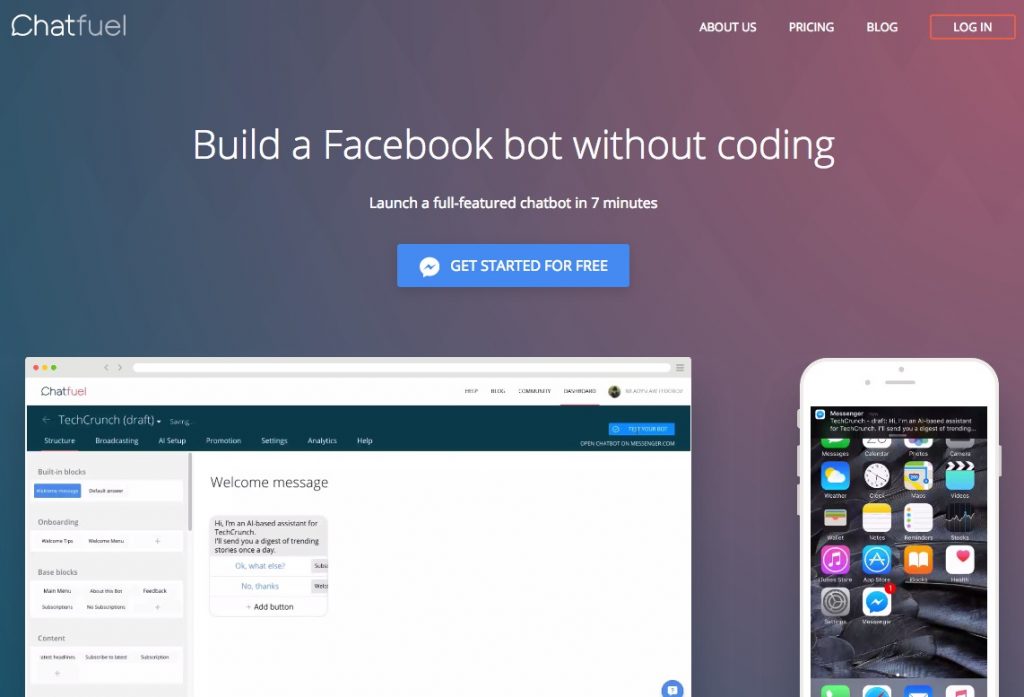
Pour créer un bon chatbot, il est nécessaire de s’appuyer sur un bon outil de création.
Il existe de très bonnes plateformes de création de chatbot qui ne nécessitent aucune connaissance du développement et qui permettent d’obtenir de très bons résultats. Certaines d’entre elles sont même gratuites.
6. Ou faites appel à un développeur professionnel
Les outils de création clé-en-main sont très utiles, mais pour obtenir un chatbot vraiment personnalisé et au plus près de vos besoins, il peut être très bénéfique de faire appel à un développeur.
Vous pouvez par exemple trouver un développeur freelance sur Codeur.com.
7. Utilisez votre chatbot dans les bonnes situations
Les chatbots ont la cote, et ce n’est pas qu’un effet de mode. Ces petits outils de messagerie automatisés présentent de véritables avantages pour les entreprises et ne doivent pas être ignorés.
Découvrons 5 façons pertinentes d’utiliser les chatbots pour votre business.
Le chatbot pour répondre à vos clients
À l’ère du web et des nouvelles technologies, nous sommes habitués à obtenir presque instantanément ce que nous voulons. Cela vaut aussi pour vos clients lorsqu’ils souhaitent vous contacter pour vous poser une question ou obtenir des précisions sur votre offre.
Pour être contacté par ses clients, le téléphone et l’email sont les solutions les plus employées mais elles ont bien des défauts. Personne n’aime appeler une hotline téléphonique et être mis en attente – parfois pendant plusieurs minutes – pour poser une simple question. Quant à l’email, il est incertain : les clients n’ont pas la certitude que vous l’ayez bien reçu, il faut souvent du temps avant de recevoir une réponse…
C’est là que les chatbots entrent en jeu : ils peuvent permettre à vos clients de recevoir en un éclair les réponses aux questions les plus courantes et donc d’améliorer considérablement votre service.
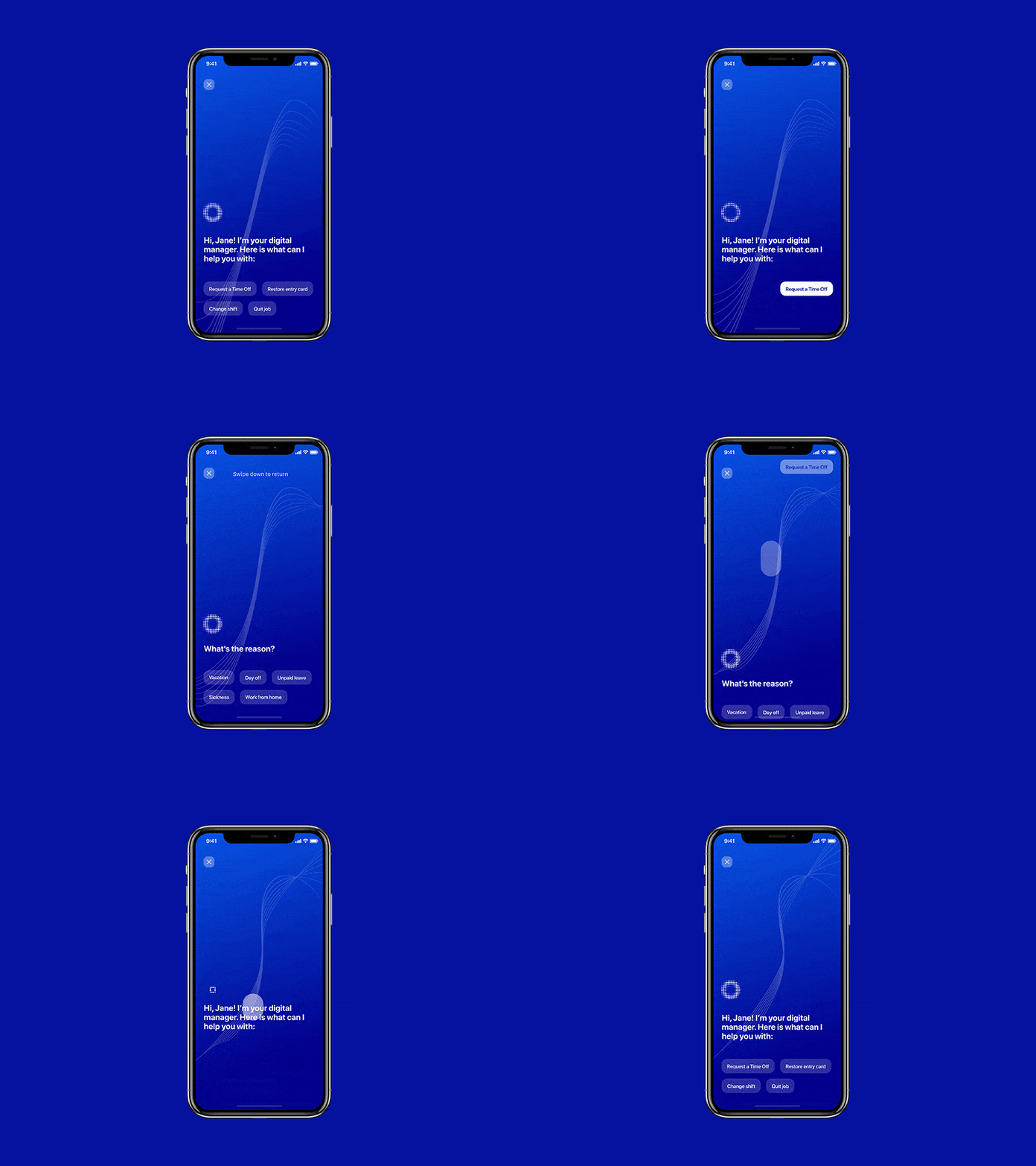
Chatbot réalisé par Alexander Olssen
Le chatbot pour aller au contact de vos clients
Si les chatbots peuvent répondre en un clin d’oeil à vos clients, il est possible d’aller plus loin et de ne pas se contenter d’être « passif » et d’attendre que les questions viennent à vous : de nombreux visiteurs ayant un doute ou une interrogation n’iront pas naturellement vers vous pour vous en faire part.
Le chatbot pour votre lead nurturing
Le lead nurturing consiste grosso modo à collecter des informations sur un prospect afin de mieux le connaître et lui proposer des contenus hautement personnalisés.
Et les chatbots sont justement une très bonne opportunité de récolter des informations. Les interactions des internautes avec les chatbots en disent long sur les questions qu’ils se posent, les problèmes qu’ils rencontrent, leurs préoccupations…
Vous n’avez plus qu’à exploiter ces données dans votre stratégie de lead nurturing.
Le chatbot pour gagner des retours client
S’il existe différentes façons d’obtenir des retours client, les chatbots sont des outils très intéressant pour récolter des feedbacks.
Par exemple, si vous constatez qu’une page de votre site a un mauvais taux de conversion ou un fort taux de rebond, placez-y un chatbot qui invite les visiteurs à laisser un avis. Vous pouvez même utiliser un chatbot pour inviter vos visiteurs à répondre à une enquête.
Vous pourrez ainsi en savoir plus sur leur expérience de navigation et les problèmes qu’ils rencontrent e que vous pourriez corriger.
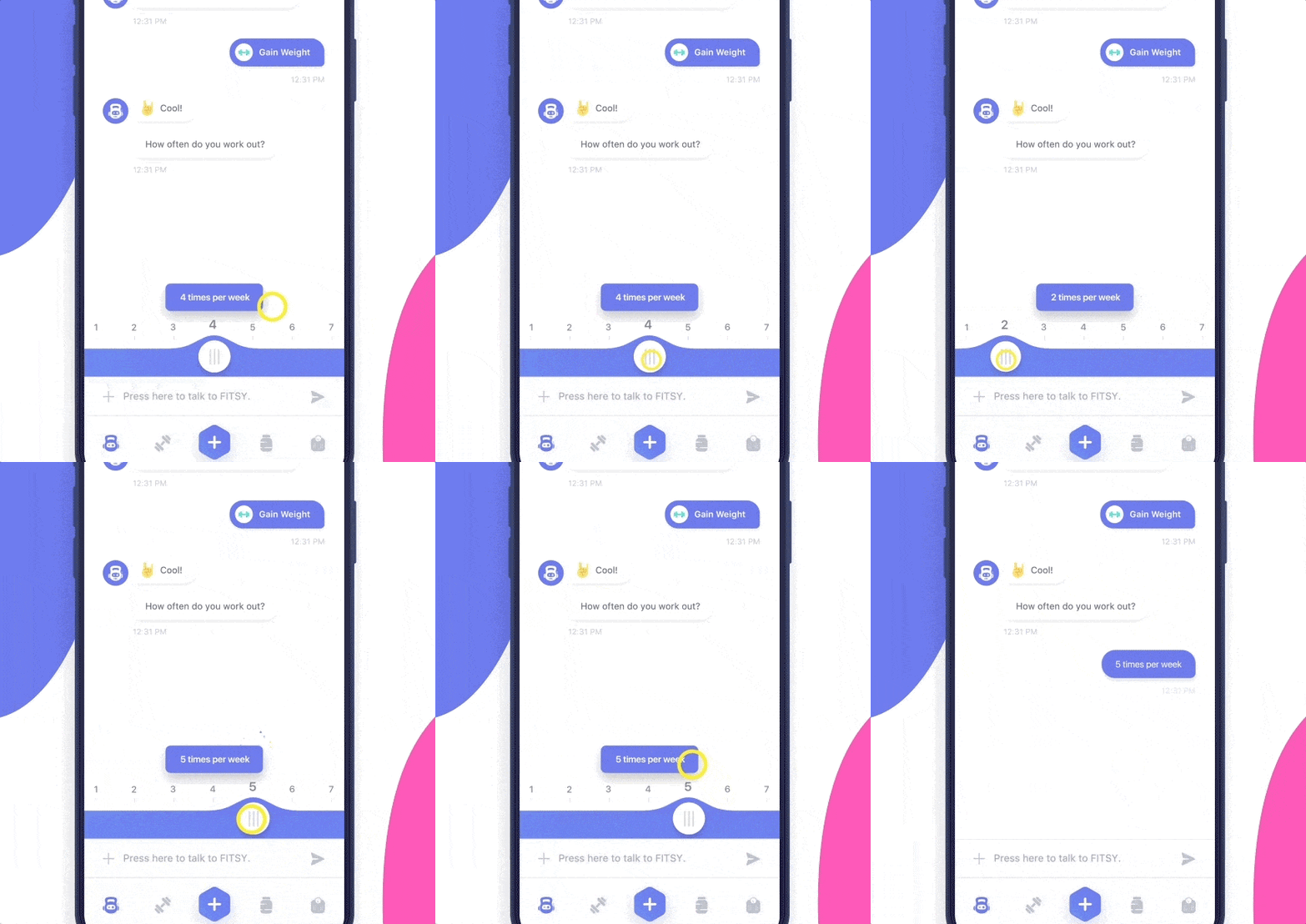
Chatbot réalisé par Virgil Pana
Le chatbot pour faire des publicités personnalisées
Les chatbots sont utiles pour collecter des données que vous réutiliserez dans l’avenir, mais ils peuvent aussi être utilisés directement comme des outils de communication.
7 erreurs à éviter lors de la création de votre chatbot
Avant de commencer à créer votre chatbot, il est important de connaître les erreurs à éviter. Vous éviterez en effet des erreurs qui pourraient amoindrir l’efficacité de votre service d’intelligence artificielle.
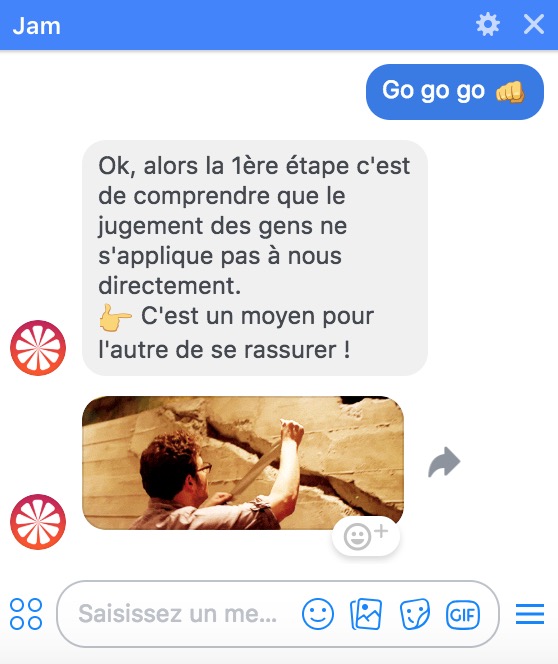
Faire des réponses trop longues
Personne n’a envie de lire un message digne d’un roman. À plus forte raison quand il provient d’un robot.
Pour offrir une réponse précise mais digeste, mieux vaut marquer des arrêts.
Le recours à des images est également une bonne option pour raccourcir la taille d’un message et offrir une réponse adaptée et parlante.

Chatbot de Jam
Ne pas créer une personnalité à son chatbot
Un robot est amené à faire face à de nombreux utilisateurs différents. Certains lui poseront même des questions sans lien direct avec la conversation en cours comme : « aimes-tu les carottes ? », « es-tu amoureux » etc.
Créer une histoire à son bot et le préparer aux différents types de personnalités qu’il va rencontrer permet d’offrir un service sur mesure à sa clientèle.

Chatbot de Cdiscount
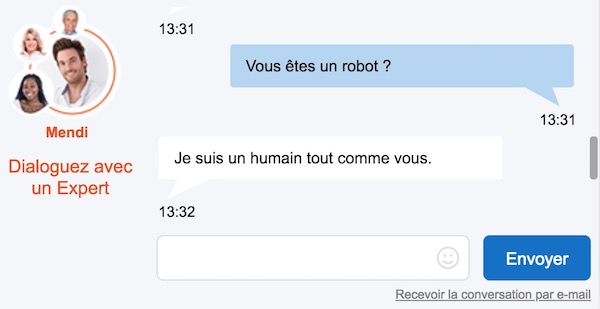
Idéalement, un chatbot devrait pouvoir adapter sa personnalité différente selon chaque type de client. Donner une identité à son robot possède un autre avantage : celui de le préparer à toute éventualité.
Certaines questions, « en dehors des clous », peuvent parfois perturber les intelligences artificielles. Armé de son histoire personnelle, votre chatbot aura du répondant et permettra à la conversation de continuer, même si le sujet se déplace.
Oublier l’aspect humain
Idéalement, un chatbot devrait toujours travailler en corrélation avec une équipe d’humains biens réels.
Votre intelligence artificielle doit être capable de cerner quand il s’agit de problèmes basiques qu’elle peut gérer et lorsqu’elle est face à une situation qui nécessite une intervention humaine.
Les hommes sont beaucoup plus à même de comprendre la complexité des sentiments.
Ne pas intégrer le chatbot à l’ensemble de la stratégie marketing
Lorsque des clients utilisent votre chatbot, ils ne viennent pas nécessairement avec des questions. Ils peuvent également partager un retour d’expérience ou une insatisfaction etc.
Par ailleurs, la plus-value sera d’autant plus importante si votre robot peut accéder à tous les éléments dont vous disposez sur chaque client, afin d’offrir une expérience sur mesure aux utilisateurs.
De la même manière, il est intéressant et conseillé qu’il ait accès aux données relatives à l’entreprise afin de pouvoir répondre facilement à toutes les questions, qu’elles touchent aux employés ou à la société.
Ne pas anticiper les questions multiples
Il est fréquent, en tant qu’être humain, que nous n’attendions pas une réponse avant de poser une nouvelle question. Multiplier les demandes peut parfois plonger les chatbots dans la confusion et les amener à poser des questions évidentes.
Pour éviter que votre intelligence artificielle ne s’écroule sous le poids d’un trop grand nombre de requêtes, mieux vaut anticiper.

Chatbot d’Orange Bank
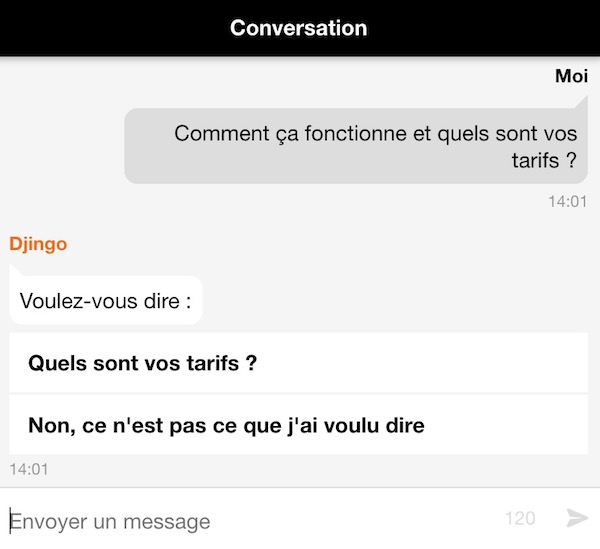
Pour éviter le nervous breakdown de votre chatbot :
- Intégrez dès la création la gestion des questions multiples
- Permettez au chatbot d’obtenir une vision d’ensemble lors de questions multiples, afin qu’il puisse poser une question constructive et résoudre le problème.
- Créez différents scénarios qui permettront à votre robot de demander par exemple, quelles solutions ont déjà été testées, etc.
- Laissez votre robot évoluer en le faisant apprendre de ces échanges. Son vocabulaire pourra ainsi grandir et devenir de plus en plus en adéquation avec votre activité et votre clientèle.
Ignorer l’avis des utilisateurs
Quoi de mieux que l’avis des utilisateurs pour savoir si votre bot rempli son rôle ? Se priver de cette information serait à la fois une véritable perte et une erreur stratégique.
L’avis de vos clients peut vous permettre de mieux cerner leurs attentes et d’offrir un service d’intelligence artificielle le plus satisfaisant possible.
Pour récolter les avis de vos utilisateurs, rien de tel qu’un questionnaire à chaud en fin d’échange avec le chatbot.
Mettre en place votre chatbot sans tests
Élémentaire ? Une piqûre de rappel ne fait jamais de mal.
Cela vous évitera de créer de la déception ou de la frustration et de ne pas obtenir le retour sur investissement attendu. Vous voilà prêts à développer un chatbot performant et utile à vos clients et votre entreprise.
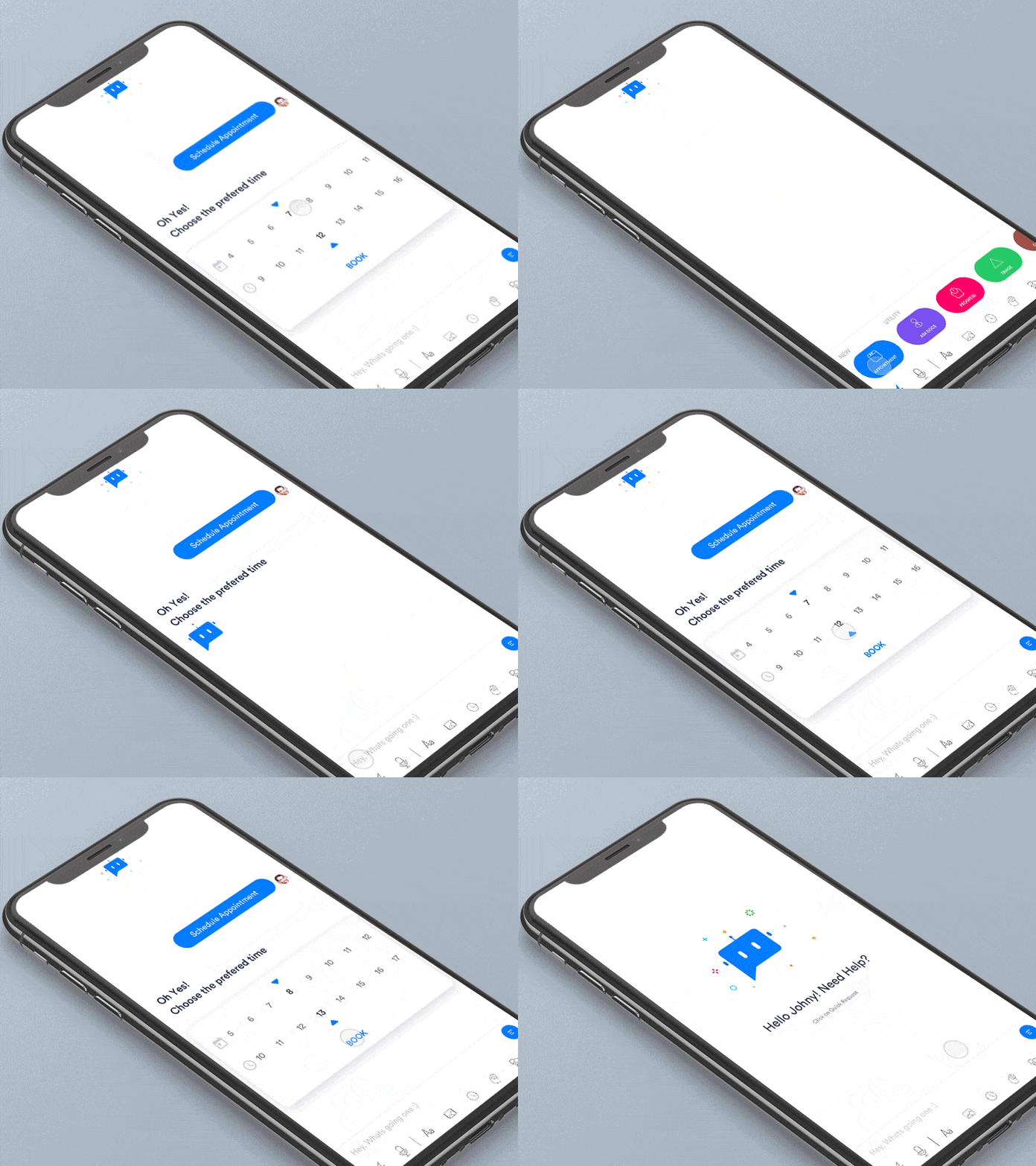
Chatbot réalisé par Johny vino
Conclusion
Les chatbots sont un moyen incontournable d’interagir avec vos clients et, cela tombe bien, il existe des outils pour créer des chatbots sans écrire une ligne de code.
Ces quelques conseils peuvent vous aider à réussir votre bot et ainsi renouveler votre web marketing tout en améliorant votre relation client.
Toutefois, vous pouvez aussi confier la création de votre chatbot personnalisé à un expert : trouvez un développeur web freelance sur Codeur.com.