Google a annoncé de nombreux projets innovants lors de ses conférences annuelles Google I/O. Pourtant, beaucoup d’entre eux ont fini par être abandonnés, malgré un lancement en grande pompe. Retour sur 9 projets Google qui n’ont pas survécu à l’épreuve du temps.
Google Wave
Annoncé : Google I/O 2009
Statut : jamais déployé à grande échelle, abandonné en 2012
Présentée comme une révolution de la communication en ligne, Google Wave voulait fusionner e-mail, chat, édition collaborative et réseau social. L’outil, trop complexe et en avance sur son temps, n’a jamais réussi à convaincre le grand public.
Les utilisateurs peinaient à comprendre comment l’utiliser, et Google a fini par annoncer l’arrêt du service dès 2010. Il sera totalement fermé en 2012. Wave restera comme un projet visionnaire, mais mal exécuté.
Durée de vie totale : 3 ans 

Google+
Annoncé : Google I/O 2011
Statut : lancé, fermé en 2019
Avec Google+, le géant du web voulait concurrencer Facebook. Intégré à tout l’écosystème Google, il n’a pourtant jamais trouvé son public. Le coup de grâce ? Une faille de sécurité exposant les données de 500 000 utilisateurs pendant trois ans.
Google a annoncé la fermeture de Google+ en 2018, effective en avril 2019. Un réseau social fantôme, qui n’aura convaincu ni les utilisateurs… ni même Google lui-même.
Durée de vie totale : 8 ans

Google Glass
Annoncé : Google I/O 2012
Statut : lancé, jamais déployé au grand public, abandonné en 2023
Les Google Glass étaient censées incarner le futur de la réalité augmentée. Trop chères, au design clivant et entourées de polémiques sur la vie privée, elles n’ont jamais conquis le grand public.
Après une tentative sur le marché professionnel, le projet est officiellement enterré en 2023. Mais lors de la Google I/O 2025, Google a dévoilé un nouveau prototype de lunettes XR, relançant (encore) le rêve des lunettes connectées.
Durée de vie totale : 11 ans
Google Hangouts
Annoncé : Google I/O 2013
Statut : lancé, puis abandonné en 2022 au profit de Google Chat/Meet
C’était quoi ? Un tchat au sein des produits Google (ça manquait d’ambition mais ça fonctionnait).
Lancée pour unifier la messagerie sur Android, Hangouts a rapidement été adopté… avant d’être lentement délaissé par Google. Après plusieurs années de transition, l’application est officiellement fermée en novembre 2022.
Google propose désormais Chat et Meet à la place, et offre une solution d’export de conversations via Google Takeout. Encore un service de messagerie Google tombé dans l’oubli.
Durée de vie totale : 9 ans
Google Play Music
Annoncé : Google I/O 2013
Statut : lancé, puis remplacé par YouTube Music et arrêté en 2020
Google Play Music permettait de stocker et streamer sa musique personnelle. Mais avec l’essor de YouTube Music, le service a été progressivement abandonné. Il est officiellement fermé en décembre 2020, avec suppression définitive des données en février 2021. Les utilisateurs avaient la possibilité de migrer leurs bibliothèques via Google Takeout ou directement vers YouTube Music.
Durée de vie totale : 9 ans
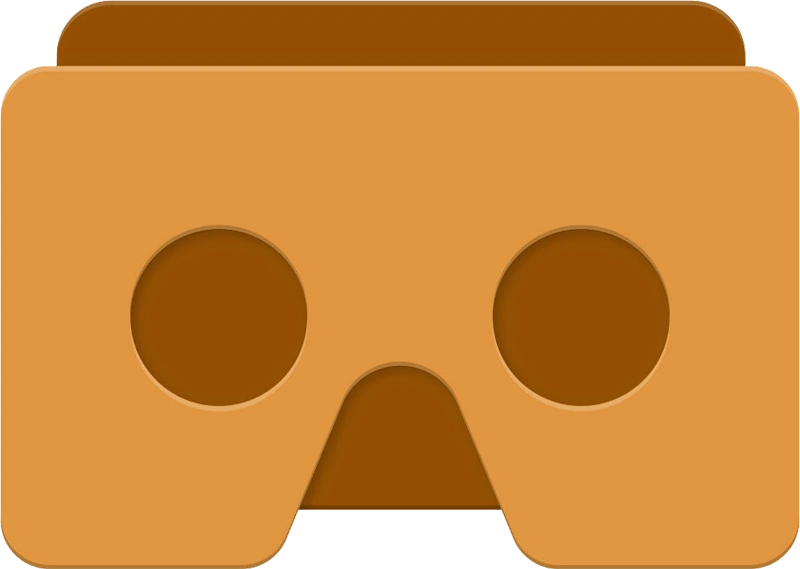
Google Cardboard
Annoncé : Google I/O 2014
Statut : lancé, puis abandonné en 2021
C’était quoi ? Une boîte en carton où tu glissais ton tel et que tu plaçais sur le nez pour voir en VR (oui, oui).
Google Cardboard proposait une approche ludique et bon marché de la réalité virtuelle : un casque en carton dans lequel on glissait son smartphone. Malgré son accessibilité, l’expérience restait limitée. En 2021, Google cesse officiellement la commercialisation du Cardboard. Il marque la fin d’un rêve de VR démocratique… et un virage vers des solutions plus robustes.
Durée de vie totale : 7 ans
Google Brillo
Annoncé : Google I/O 2015
Statut : abandonné, remplacé par Android Things (lui-même abandonné en 2021)
Conçu pour alimenter l’Internet des objets, Brillo devait être un système léger pour les appareils connectés. Il a été remplacé en 2016 par Android Things, qui connaîtra le même sort en 2021, faute d’adoption. Le projet, malgré son ambition, n’a jamais vraiment décollé. Une occasion manquée, alors même que la domotique explose.
Durée de vie totale : inconnue, mais pas longtemps il paraît ^^
Google Allo
Annoncé : Google I/O 2016
Statut : lancé en 2016, abandonnée en 2019
Allo devait être la messagerie intelligente de Google, avec Google Assistant intégré dès le départ. Mais l’application n’a jamais trouvé son public, éclipsée par WhatsApp, Messenger et consorts.
En 2019, Google annonce son abandon. Certaines fonctionnalités ont été intégrées à Messages, l’appli SMS/RCS désormais au cœur de la stratégie Android.
Durée de vie totale : 3 ans

Google Daydream VR
Annoncé : Google I/O 2016
Statut : lancé, abandonné en 2019
Successeur spirituel du Cardboard, Daydream promettait une VR mobile plus immersive. Le casque Daydream View et quelques partenariats avec des constructeurs ont vu le jour, mais le contenu restait trop limité. En 2019, Google cesse le support de Daydream, qui ne sera même pas compatible avec certains smartphones Pixel récents. Une preuve que la VR mobile, malgré les espoirs initiaux, ne convainc pas.
Durée de vie totale : 3 ans
La morale du Google I/O : “sceptique mais à l’écoute”
Chaque année, Google I/O est l’occasion pour la firme de dévoiler sa vision du futur et l’édition 2025 n’a pas dérogé à la règle. Mais si l’histoire de Google nous apprend une chose, c’est que toutes les promesses ne se concrétisent pas. Certains projets sont abandonnés et d’autres changent de forme ou de nom.
Bref, face aux grandes annonces de Google I/O, mieux vaut garder un œil critique : les rêves de la Silicon Valley ne deviennent pas toujours notre réalité. Curieux, oui. Naïfs, non.
L’article “Ces 9 projets annoncés au Google I/O ont tous été enterrés (voici pourquoi)” a été publié sur le site Abondance.