Les « Tag management Systems », ou « Systèmes de gestion des balises » sont aujourd’hui largement considérés comme un élément essentiel dans les bonnes pratiques en matière d’analyse.
Si Google Tag Manager compte parmi les poids lourds du secteur, de nombreuses alternatives existaient bien avant, et d’autres ont également vu le jour plus récemment : vous souhaitez adopter un TMS ou envisagez de changer de solution, vous êtes au bon endroit.
Si vous êtes déjà familiarisé avec la notion de gestion des balises, vous pouvez d’ores-déjà avancer jusqu’à la présentation des outils alternatifs à Google Tag Manager. Pour ceux d’entre-vous qui découvrez le terme, nous allons commencer par quelques explications sur ce que sont les TMS.
Qu’est-ce qu’un Tag Management System ?
Comme son nom l’indique, un système de gestion des balises, c‘est un logiciel servant à gérer les balises. Les balises de quoi ? Et bien, les balises de tracking, utilisées principalement dans le marketing numérique.
La balise, c’est un court extrait de code qu’on ajoute à une URL afin de collecter des données, destinées aux outils d’analyse statistique et de marketing. Afin de gérer ces balises, qui peuvent être nombreuses, les pros du marketing et de l’analyse ont recours à un logiciel de gestion qui leur permet de déployer et de gérer les balises sur un site sans dépendre de l’informatique.
Les balises sont des en-têtes spéciaux des sites Web, ou des pixels de suivi, utilisés à des fins publicitaires et dans le contenu : c’est ce qui permet, une fois les données collectées, d’analyser le résultat ou l’efficacité d’un élément et d’éventuellement décider de l’optimiser ensuite.
Avantages de l’utilisation d’un système de gestion des balises
Les TMS sont par exemple utilisés par les spécialistes du marketing pour gérer les balises provenant de divers services publicitaires. Ils servent à faciliter et à rendre plus agiles les modifications apportées aux services publicitaires existants mais également entre les services. Les systèmes sont capables de gérer les balises de pages Web, de vidéos et d’applications. La publicité en temps réel est facilitée par les TMS.
Les TMS permettent enfin un chargement plus rapide des pages, et des modifications moins compliquées, avec moins de risques de plantage du site. Ces outils peuvent opérer des modifications aux balises (par exemple pour essayer un nouveau service), en ajoutant simplement un extrait de code au gestionnaire, puis en définissant des règles : en l’espace de quelques minutes, et sans intervention du service informatique les modifications sont mises en œuvre !
En plus d’accélérer le chargement des pages Web, un TMS permet aux employés concernés de mettre à jour instantanément des balises sans solliciter le service informatique.
Capables de suivre facilement un grand nombre de balises, (des centaines s’il le faut!) ces outils sont utiles pour vous aider à respecter les lois sur la confidentialité des données et sont à même de mettre en place des test rapides de différentes tactiques de marketing.
Voyons maintenant quels solutions sont proposées, si vous ne souhaitez pas utiliser l’outil de Google.
1. Launch
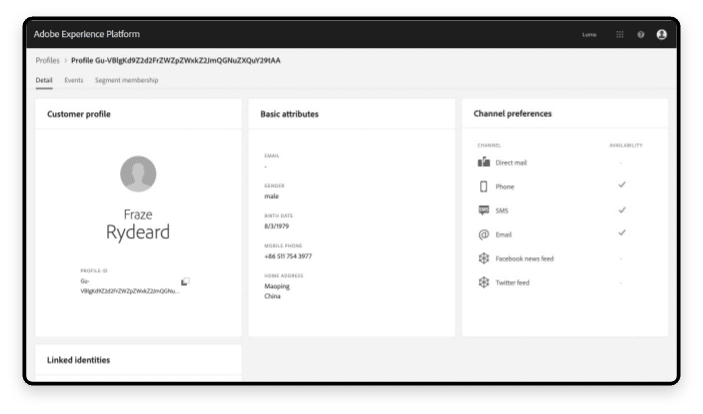
Adobe Experience Platform Launch (ou Launch en abrégé) a remplacé « Dynamic Tag Management » il y a quelques années. Adobe a insisté lors de la présentation de Lauch sur le fait que son architecture avec une API ouverte permettrait aux fournisseurs comme aux utilisateurs d’étendre plus facilement les fonctionnalités de la plate-forme. Launch fonctionne bien sûr avec les produits Adobe mais également les autres, principalement grâce à la vaste bibliothèque d’extensions alimentée par son API. Bien sûr la solution est quand même étroitement intégré à l’ensemble d’Adobe Experience Cloud, sauf si vous prévoyez d’utiliser la suite de produits Adobe, vous ne choisirez probablement pas Launch.
Si la suite Adobe fait partie de votre environnement, alors vous serez séduit par son interface simple et son catalogue d’extensions permettant de déployer de nouvelles balises via un processus rapide et convivial. Vous pourrez évidemment créer des règles marketing permettant de déterminer quand déclencher les balises, et quelles données capturer.
Launch est gratuit pour les clients Adobe Experience Cloud.
2. Tealium iQ Tag Management

Tealium est un poids lourd dans le monde du TMS : il fut un temps où cette solution de gestion des balises alimentait 25 % des 100 plus grands sites Internet ! Aujourd’hui, Tealium reste une excellente alternative à GTM, à envisager pour les organisations ayant des exigences complexes, ou gérant par exemple plusieurs sites internet avec un fort trafic.
Tealium iQ Tag Management permet de déployer et de gérer facilement les balises Web, tout en donnant aux professionnels du marketing la possibilité d’essayer de nouvelles technologies et de prendre le contrôle de leur pile de technologies marketing.
Outre le nombre élevé d’intégrations « clés-en-main » avec les principales plateformes de commerce électronique et systèmes de gestion de contenu, le logiciel dispose de fonctions robustes pour protection de la vie privée, y compris la gestion intégrée du consentement.
Une gestion avancée des variables et des règles de chargement (via une couche de données intégrée à la plateforme) compte également parmi les arguments qui font mouche auprès des utilisateurs de Tealium.
3. Signal Tag Management
Comme tout système TMS, Signal Tag Management aide les responsables marketing à améliorer l’expérience des visiteurs en accélérant les temps de chargement des sites Web. La cible principale de Signal, ce sont les entreprise et c’est sans doute pourquoi le logiciel est très axé sur les balises publicitaires.
Gratuit pour les clients de Signal Fuse, Signal est capable de suivre un calendrier d’activation et désactivation des balises.
Une fonction concernant la politique de confidentialité permet aux utilisateurs de se désengage facilement.
Si vous avez besoin d’aide, une assistance d’experts est disponible pour vous épauler.
4. Ensighten Manage
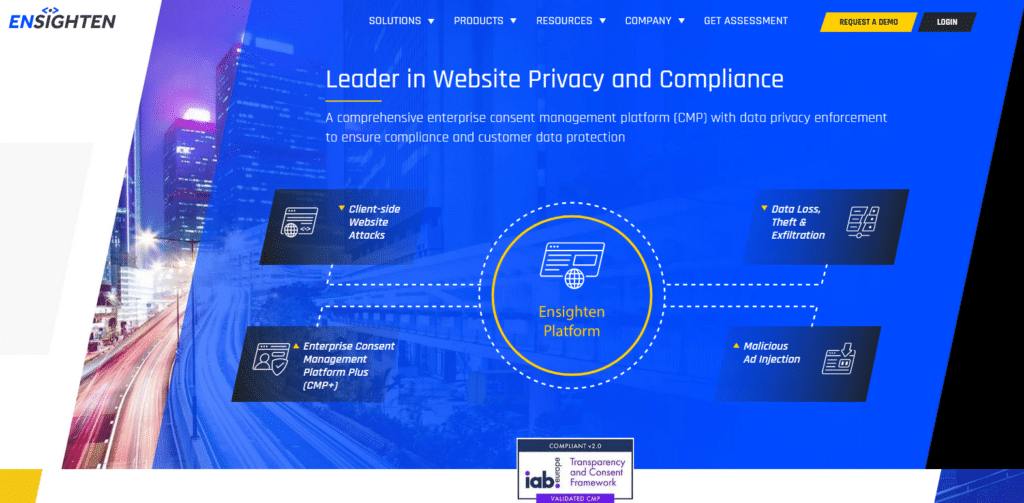
Ensighten Manage est particulièrement adapté aux environnements collaboratifs, axés sur la sécurité et les processus dans lesquels les responsables marketing ont besoin de flexibilité, afin de répondre à des exigences de configuration et de déploiement d’une grande variété de balises web. Ensighten met l’accent sur la confidentialité, qui est devenue de plus en plus importante pour les analystes et les spécialistes du marketing, compte tenu de l’environnement réglementaire qui s’est accru ces dernières années.
Les rôles des utilisateurs et les accès peuvent être définis de manière approfondie.
L’outil de collecte des données omnicanales peut suivre l’engagement des utilisateurs sur des applications mobiles.
Sur son blog, Ensighten offre un aperçu des meilleures pratiques en matière de gestion des balises.
Ensighten est considéré comme l’un des leaders du marché.
5. TagCommander
Basée en Europe, l’entreprise « Commanders Act » fournit une suite de solutions de marketing et de protection de la vie privée destinée à combler le fossé entre le consentement et le suivi : Baptisé TagCommander, son système de gestion des balise s’intègre à des centaines de solutions d’analyse et de marketing.
TagCommander permet aux utilisateurs de mettre en place un suivi sur les plateformes web et mobiles. La dé-duplication des conversions en temps réel et la mise en conformité facililitée concernant la législation sur la confidentialité des données ne sont que deux des nombreux avantages de TagCommander, qui fait donc partie d’une suite complète d’outils d’analyse, de marketing.
Avec plus de 800 modèles clés en main disponibles, aucune connaissance technique n’est requise, l’interface étant même pilotée par un assistant.
6. Piwik PRO
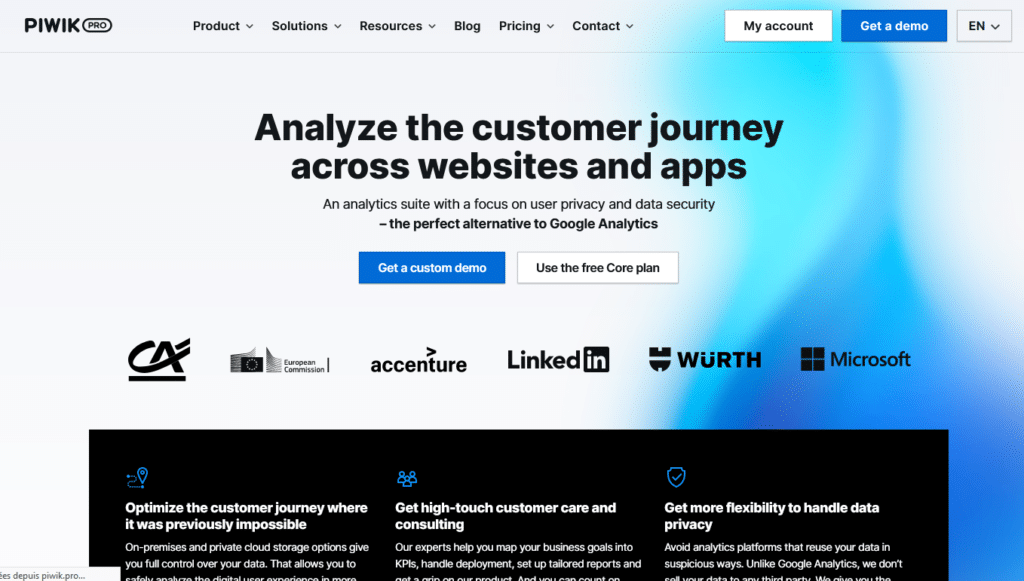
Piwik PRO peut être utilisé comme une solution locale ou se baser dans le cloud. Dans le cadre d’une utilisation locale, Piwik PRO peut être téléchargé et installé sur vos propres serveurs, mais les entreprises de taille moyenne à grande verront le plus de bénéfices dans les puissantes capacités de la solution cloud.
Piwik PRO accorde beaucoup d’attention à la sécurité et la confidentialité, ce qui peut être une bonne alternative à GTM où le sujet de la sécurité des données est un peu plus obscur…
Pour simplifier votre processus de mise en œuvre, des modèles prêts à l’emploi pour les principales plateformes d’analyse dont fournis dans une grande bibliothèque de tags et de variables.
L’intégration avec les plateformes CMS les plus populaires est de mise, et l’outil prend également en charge la possibilité d’effectuer des tests de balises dans un environnement de simulation.
7. Yottaa
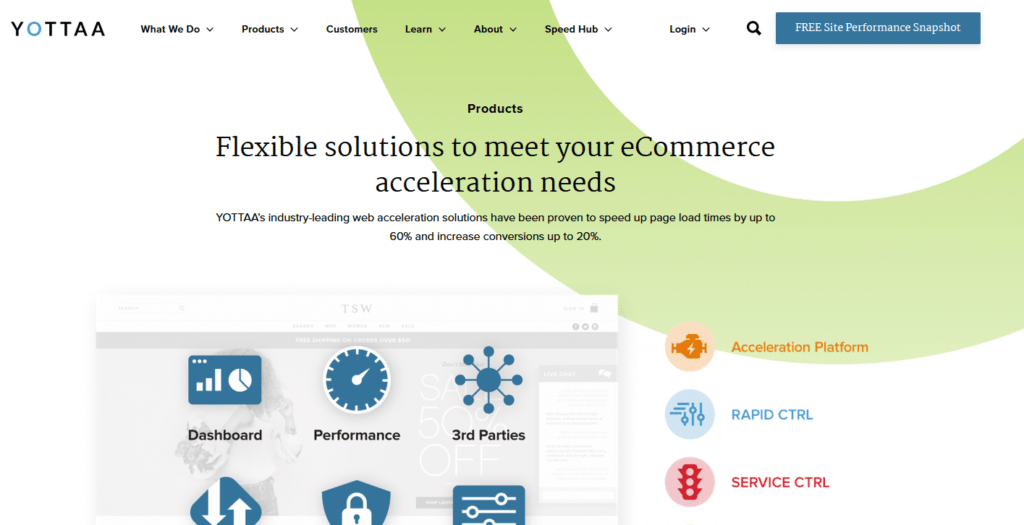
Bien que Yottaa ne se classe pas parmi les plateformes de gestion des balises, il remplit la même fonction que la plupart des TMS. Le public cible de Yottaa est constitué d’entreprises de commerce en ligne et l’un de ses objectifs principaux est de fournir un point de contrôle unique pour les technologies tierces, afin d’augmenter les temps de chargement des pages.
Yottaa permet le rendu automatisé (et accéléré) des contenus dynamiques et statiques et gère l’ordre et l’exécution de ce que vous lui confiez.
L’outil peut aussi optimiser des propriétés en fonction de leur emplacement, du type d’appareil, de la connexion réseau, etc.
8. Qubit
Qubit est une plateforme destinée au commerce en ligne qui couvre tout : de la récupération des abandons de paniers à l’expérience client, facilitée par l’intelligence artificielle.
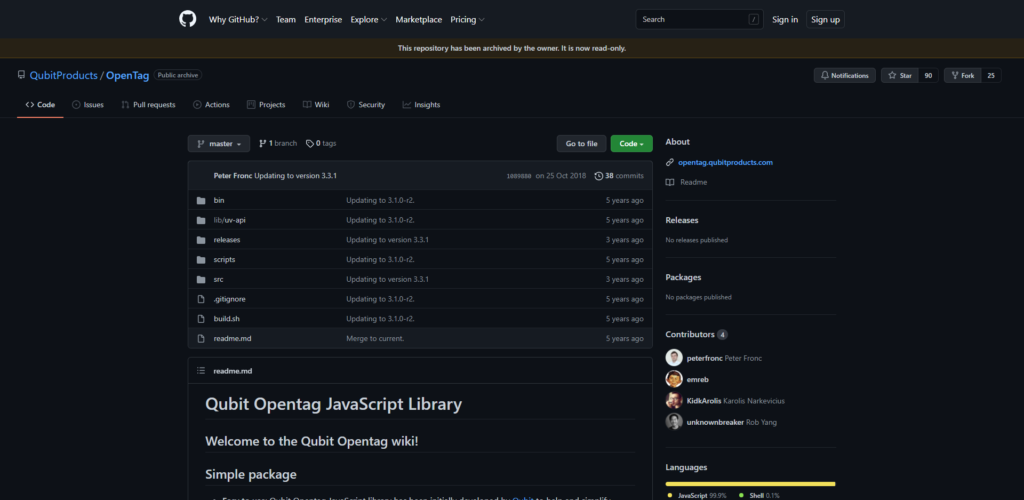
En 2011, Qubit a dévoilé un système de gestion des balises open source appelé Opentag. Construit pour les spécialistes du marketing, mais personnalisable pour les développeurs, c’est l’une des rares plateformes open source disponible sur Github.
Si vous faites partis de ceux qui s’enthousiasment pour les plateformes open source (en raison de la communauté active, de la transparence ou du prix), notez qu’au moment ou j’écris ces lignes, le dépôt Opentag n’a pas été mis à jour depuis plusieurs années… D’ailleurs, Qubit ne fait plus la promotion de son TMS sur son site Web…
Toutefois, si vous recherchez une solution open-source permettant une gestion flexible des utilisateurs, la mise en place de tests A/B et le chargement asynchrone des balises, Qubit est peut-être fait pour vous !
Conclusion
Cette sélection vous permettra de trouver le Tag Management System idéal si vous souhaitez éviter le leader du marché.
Si toutefois vous rencontrez des difficultés à paramétrer vos balises sur ces différents outils, vous pouvez poster une annonce sur Codeur.com. Des développeurs web et experts en TMS sauront vous accompagner pour intégrer et créer vos balises personnalisées pour un meilleur suivi de vos sites.