Plus que jamais, les réseaux sociaux sont essentiels pour animer sa communauté, créer du lien et fidéliser ses clients.
Cependant, pour y parvenir, vous devez produire un contenu de qualité, authentique, qui invite à l’action. C’est peut-être le moment de confier la rédaction de vos publications à un rédacteur web ?
Pensez aussi à suivre les tendances Social media pour atteindre vos objectifs. En 2024, votre stratégie va s’articuler autour de l’intelligence artificielle, l’inclusivité, les micro-influenceurs, des contenus multisensoriels ou encore la réalité augmentée. Le tout dans le métavers et sur des plateformes phares comme TikTok, Discord, BeReal, ChatGPT et Instagram !
1. TikTok, une application devenue incontournable
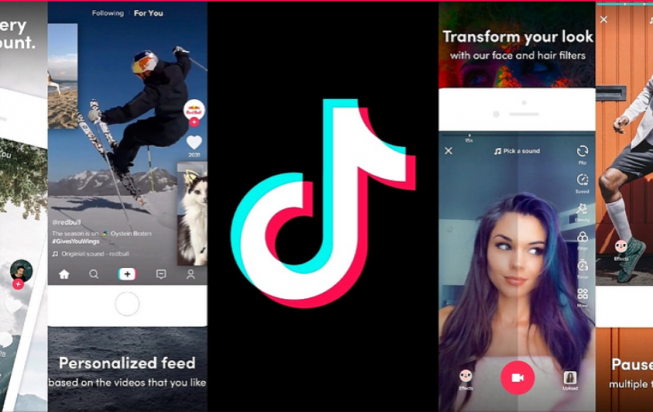
TikTok est devenu incontournable pour les marques qui souhaitaient attirer un jeune public. On peut même dire que l’application domine les réseaux sociaux auprès des moins de 25 ans !
TikTok rassemble plus d’1 milliards d’utilisateurs actifs dans le monde, dont 14,9 millions rien qu’en France (c’était 4 millions en 2019). Ses membres consultent très régulièrement les nouveaux contenus publiés sur le réseau social :
- 90% des utilisateurs accèdent à l’application quotidiennement ;
- Ils passent 24h par mois à visionner du contenu sur TikTok ;
- Les jeunes entre 4 et 15 ans passent en moyenne 75 minutes par jour à regarder des vidéos TikTok ;
- 30% de la génération Z préfèrent utiliser TikTok pour rechercher des produits.
Bon à savoir : 56% des utilisateurs et 67% des créateurs TikTok créent plus de liens avec les marques qui publient du contenu humanisé et sans filtre, d’après une étude de la plateforme.
Si vous n’êtes pas encore présent sur le réseau social, rattrapez vite votre retard ! D’autant plus que ces contenus se retrouvent régulièrement sur les autres réseaux sociaux, faisant de TikTok un excellent média omnicanal.
Et ce n’est pas tout ! L’impact des annonces et des publications sur la plateforme est plutôt impressionnant :
- La portée des annonces TikTok a connu une croissance de 9.6 % entre le dernier trimestre 2021 et le premier trimestre 2022 ;
- 1 internaute sur 5 peut potentiellement être touché par une publicité sur TikTok ;
- 43% des utilisateurs sont prêts à tester quelque chose de nouveau après l’avoir vu sur TikTok. C’est valable pour les produits ou services promus sur la plateforme.
La bonne stratégie de communication :
- Sur TikTok, ce sont les communautés qui mènent le jeu. Pour accroître votre audience, vous devez participer aux conversations de votre communauté.
- Soyez créatif et élaborez des campagnes marketing ultra-personnalisées pour créer une connexion directe avec votre public.
- Misez sur le contenu authentique, humanisé, plutôt que sur les vidéos commerciales et « trop parfaites ».
2. Les contenus généraient par IA

C’est sans nul doute la tendance qui prendra le plus de place et qui subira le plus de mouvement. Fortement développée et mise au goût du jour par des outils en constante progression, l’intelligence artificielle bouleverse tout le marché de la génération de contenu.
ChatGPT, Dall.E, Midjourney… Des outils qui deviennent peu à peu des aides au quotidien pour créer du contenu. Rédaction, illustration, codage, traduction : ces outils peuvent tout faire, et surtout plus vite !
Malgré une certaine réticence à leur égard, notamment à leur sortie, nous commençons peu à peu à nous accommoder et à banaliser l’utilisation de ces outils. De nombreuses marques génèrent des affiches publicitaires vues par plusieurs milliers, voire millions de personnes grâce à l’IA. Alors pourquoi pas vous ?
3. Le retour en force des lives
Avec la montée en puissance de TikTok et du format vidéo, chaque réseau social a dû s’adapter pour répondre à la nouvelle hiérarchie des contenus. Outre la vidéo, notamment au format court, le format long et surtout en direct revient en force pour cette année 2024.
Remis au goût du jour principalement par la plateforme TikTok, le live se refait une beauté et recommence à séduire une communauté en quête d’authenticité et de spontanéité. De nombreuses marques et entreprise ont déjà sauté le pas et créé de véritables évènements qui trouvent leurs clientèles.
4. La progression des nano et micro-influenceurs

Jusqu’à présent, les marques accordaient beaucoup d’importance au nombre d’abonnés lorsqu’elles désiraient recruter un influenceur puisqu’il leur donnait la possibilité de toucher un plus large public.
Toutefois, ce modèle montre ses limites parce que les gros influenceurs seraient trop éloignés des consommateurs de la marque. Ces derniers se tournent désormais vers les nano et micro-influenceurs. Certes, ces derniers disposent d’un nombre d’abonnés réduit, mais ils ont la capacité d’engager leurs communautés et d’être au plus près d’elles.
Autrement dit, il y aura un peu moins de bling-bling et beaucoup plus d’authenticité dans les contenus à produire pour le marketing d’influence !
La bonne stratégie :
- Trouver l’ambassadeur qui incarne vos valeurs et votre image de marque ;
- Analyser l’e-réputation de l’influenceur avant de travailler avec lui ;
- S’orienter vers des nano et micro-influenceurs, experts dans votre domaine d’activité ;
- Rémunérer les influenceurs à leur juste valeur et entretenir des liens de confiance avec vos créateurs de contenus.
À lire aussi : Social media : le pouvoir des micro-influenceurs
5. La monétisation des contenus de créateurs
Récompenser et rémunérer les créateurs de contenu, voilà les bonnes résolutions prises par les plateformes Social media durant ces derniers mois. TikTok et Instagram ont un Creator Marketplace, tandis que Facebook dispose de son Brand Collabs Manager.
L’objectif est clair : attirer et fidéliser les créateurs de contenus en leur offrant davantage de visibilité auprès des marques en quête de partenaires de qualité.
Les réseaux sociaux prennent conscience que ces influenceurs jouent un rôle prépondérant dans leur succès. Il faut donc éviter la fuite des talents en facilitant la monétisation de leurs contenus.
Ces marketplaces leur offrent une exposition supplémentaire, où ils peuvent gérer leur image, dénicher des partenariats et recevoir une rémunération en échange de leurs contenus.
Côté entreprise, ces plateformes facilitent la recherche de créateurs de contenu et les aident à entrer en contact avec des utilisateurs qui partagent leurs valeurs. Pour améliorer leur content marketing ou démarrer dans le marketing d’influence, c’est idéal !
6. Le virage humanisé et conversationnel de LinkedIn
LinkedIn a connu un tournant phare en s’imposant comme une plateforme conversationnelle. Désormais, les entrepreneurs, cadres et autres leaders partagent leur quotidien, leurs réflexions et leurs opinions de manière libre et explicite.
Certains disent qu’à ce titre, LinkedIn s’est transformé en Facebook, ce qui n’est pas totalement juste. Même si les publications deviennent plus authentiques, voire parfois plus « personnelles », elles restent tournées vers le quotidien professionnel. Par ailleurs, à l’heure actuelle, vie privée et vie au travail se rejoignent souvent.
Néanmoins, malgré ce côté « Facebook » que certains utilisateurs réprouvent, les posts contenant de véritables réflexions attirent de nombreux likes et commentaires.
Doit-on y voir une opportunité pour le marketing d’influence ? Oui, tout à fait ! Si ces leaders d’opinion peuvent parler de leur quotidien et partager leurs expériences aussi librement, ils seront enclins à valoriser les entreprises et marques qu’ils utilisent.
Tant que le contenu s’intègre naturellement dans leurs discours personnifiés, il est possible d’envisager un partenariat avec eux.
7. Les podcasts envahissent les réseaux sociaux

Si la consommation de podcasts a bondi depuis 2020, en particulier aux États-Unis, ils deviennent de plus en plus viraux en France grâce aux réseaux sociaux. Dans notre pays, 4.4 millions de personnes écoutent au moins un podcast par mois.
Il faut dire que les experts en marketing ont bien saisi le potentiel de ce type de contenus et qu’ils devraient donc chercher à l’exploiter dans leur stratégie content marketing.
Sans surprise, les podcasts vont continuer d’envahir les réseaux sociaux. D’ailleurs, les prévisions tablent sur 800 millions d’utilisateurs d’ici 2025.
À lire aussi : Social media : 5 étapes pour réussir une stratégie éditoriale
8. Toujours plus de contenus… en réalité augmentée ?
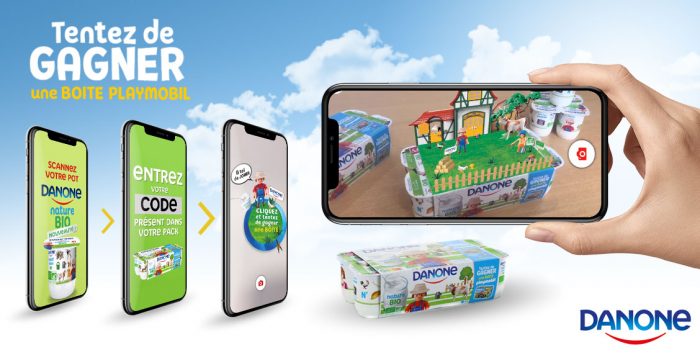
Proposer des contenus en live sur les réseaux sociaux n’est pas vraiment une nouveauté mais en 2024, ces derniers devraient être de plus en plus nombreux.
Cela s’explique principalement par le fait que ces contenus sont très engageants — le fait de pouvoir communiquer directement avec une marque ou son représentant tend à nous rapprocher d’elle — mais aussi par le fait que la réalité augmentée vient multiplier le champ des possibles.
En effet, ce n’est pas pour rien que tous les réseaux sociaux se sont dotés d’une fonctionnalité AR. Pour l’heure, elle permet surtout d’appliquer des filtres à ses contenus live mais cette technologie a un potentiel tel que des surprises sont à attendre dès cette nouvelle année.
Alors que la « digital détox » fait de nombreux adeptes, les marques ont bien compris qu’elles devaient modifier leur manière de faire sur les réseaux sociaux.
Ainsi, en 2024, la qualité devrait être préférée à la quantité et tout devrait être mis en œuvre pour concevoir des contenus particulièrement engageants (podcasts, contenus en live avec la réalité augmentée…). L’authenticité aussi devrait retrouver une vraie place dans la communication des marques.
9. Le marketing conversationnel prend de l’ampleur

Nous avons souligné le fait que LinkedIn est devenu une plateforme Social media tournée vers les conversations. Ce retour à plus de liens et d’échanges n’est pas isolé. Le marketing conversationnel, en général, se renforce dans les stratégies d’entreprise. Son objectif est de mieux communiquer avec sa communauté et de lui laisser l’opportunité de s’exprimer.
Le marketing conversationnel repose sur une interaction personnalisée avec les membres de sa communauté. Ainsi, chaque membre se sent valorisé et surtout rassuré. La bonne stratégie :
- Rédiger un contenu qui influence, plutôt qu’il ne vend ;
- Utiliser un jargon simple, des phrases courtes et des mots que votre audience utilise réellement ;
- Ajouter un call-to-action qui incite à l’échange : poser une question, ouvrir un débat, encourager à donner son avis…
10. Les stories sont encore et toujours à l’honneur

Vous le savez, depuis plusieurs années, les supports de communication se sont multipliés. Les articles côtoient aujourd’hui les vidéos et les podcasts qui jouissent encore d’une grande popularité.
Les stories, contenus éphémères, ont explosé. Elles permettent de communiquer différemment et de pousser les internautes à se connecter plus souvent pour ne rien manquer. Les stories sont particulièrement utiles pour la communication événementielle.
11. Favoriser le Social Gaming
Le Social Gaming s’est démocratisé : il est temps maintenant de l’exploiter pleinement !
Cette démarche permet de faire participer les internautes et surtout de dynamiser votre communauté. Grâce au Social Gaming, vous pouvez faire preuve de toute l’authenticité attendue par votre audience, les divertir et même communiquer autrement.
Il existe de nombreuses façons d’exploiter le Social Gaming. Vous pouvez mettre en place un hashtag ou encore intégrer votre marque dans un jeu. Vous pouvez même exploiter certains outils comme la webcam ou la réalité augmentée.
Pourquoi ne pas créer un salon sur Discord pour connecter votre communauté ? Cela va renforcer le sentiment d’appartenance de vos clients, les fidéliser et surtout, engendrer des conversations (on rappelle que le marketing conversationnel est une tendance Social media forte !).
L’objectif est de proposer de nouvelles expériences à votre audience.
À lire aussi : Social listening : comment faire votre veille sur les réseaux sociaux ?
12. Les cookies disparaissent, pensez Social Ads
Cette année, le suivi des cookies devrait avoir complètement disparu des écrans. Les entreprises vont alors devoir repenser leur stratégie publicitaire sur les médias sociaux.
Heureusement, grâce aux réseaux sociaux, les marques touchent un public plus vaste et l’arrivée des Social Ads aura permis de collecter des informations essentielles sur les utilisateurs.
D’ailleurs, le potentiel de la publicité sur les réseaux sociaux est considérable, puisque 49 % des internautes affirment être susceptibles de passer à l’acte d’achat après avoir visionné une publicité sur internet.
La bonne stratégie :
- Les consommateurs sont en demande d’expériences publicitaires personnalisées.
- Votre stratégie Social Ads doit donc se fonder sur une connaissance accrue des préférences de vos prospects pour répondre avec pertinence à leurs attentes.
- Tirez profit des contenus générés par l’utilisateur (UGC). L’UGC est un excellent moyen de contrer les bloqueurs de publicité.
- Soyez créatif et engageant pour que vos contenus marketing soient partagés le plus possible.
13. L’essor du social selling
Depuis que les plateformes digitales ont ouvert leurs portes aux e-commerçants, des innovations pour faciliter les ventes ne cessent de voir le jour. Sur Instagram, par exemple, un client peut désormais acheter un produit sans quitter l’application. L’opportunité pour les boutiques en ligne est considérable, mais nécessite de revoir les parcours d’achat mis en place.
La bonne stratégie :
- Prévoir un budget plus important pour le marketing d’influence et nouer des partenariats stratégiques avec des influenceurs pertinents.
- Susciter l’intérêt du consommateur à travers des publications cohérentes et fidéliser sa clientèle.
- Améliorer votre présence en ligne et faites preuve de créativité pour gagner des followers : publiez plus, intégrez des visuels attractifs, personnalisez vos contenus…
- Simplifier le parcours client pour réaliser plus de ventes.
- Générer de la confiance avec l’UGC.
À lire aussi : Comment augmenter vos ventes grâce au social selling ?
14. La chasse aux Fake News

Le nombre croissant d’internautes sur les réseaux sociaux engendre une nouvelle forme de consommation de l’information. Aujourd’hui, la grande majorité des utilisateurs s’informent sur Facebook, Instagram, Twitter ou encore YouTube.
Si, à l’origine, cette tendance permettait de diffuser facilement l’information recherchée par les clients, de nombreuses marques se sont trouvées confrontées au phénomène de la désinformation. Malheureusement, depuis quelques temps, les infox prennent encore plus d’importance et les entreprises vont devoir prendre le problème à bras le corps pour garder leur crédibilité.
Twitter et Reuters ont d’ailleurs pris leur part de responsabilité et se sont unis pour lutter contre le fact checking. Grâce à l’Intelligence Artificiel, les premières publications à s’afficher suite à une recherche ne contiendront que du contenu de haute qualité et vérifié.
La bonne stratégie :
- Ne fournir que des contenus sourcés à votre public si vous voulez préserver votre réputation.
- Partager des informations intéressantes pour éviter la fuite de vos clients vers la concurrence.
15. Des contenus multisensoriels, adaptés à tous
C’est Talkwalker qui met en avant cette tendance Social media et nous ne pouvons que la valider ! Chaque année, nous sommes habitués à entendre qu’un nouveau format émerge et va devenir la norme. Sauf, qu’en réalité, de nombreux formats semblent connaître une progression : Reels, carrousel, podcast… Les types de contenus foisonnent et trouvent chacun leur public.
Difficile de conseiller une seule catégorie de contenu, au contraire ! L’objectif sera de servir plusieurs buts et de plaire aux différents profils qui composent votre audience. Les publications sur les plateformes Social media seront donc diversifiées pour créer une véritable expérience sensorielle. D’ailleurs, c’est ce que 45% des consommateurs attendent…
Cependant, inutile de révolutionner toute votre stratégie content marketing ! S’il faut continuer à produire des contenus de grande qualité, aussi bien visuels, qu’audios ou vidéos. Vous pouvez aussi recycler d’anciens articles. Ce sont les fameux contenus evergreen.
16. La course vers le métavers continue !
Mark Zuckerberg a été le premier à annoncer l’arrivée d’un nouveau monde virtuel avec le métavers. À travers cette annonce, c’est bien de l’explosion de la réalité virtuelle qu’il s’agit.
Parmi les tendances Social media en 2024, le potentiel de la réalité virtuelle, et augmentée, est énorme et les entreprises capables d’investir dans l’espace phygital connaîtront un gain de valeur et d’intérêt considérable. C’est un marché qui pourrait représenter 5 000 milliards en 2030.
Les consommateurs sont de plus en plus nombreux à souhaiter des expériences de plus en plus immersives et la demande ne vient plus uniquement des communautés de joueurs vidéos.
Par ailleurs, des technologies comme la réalité immersive, les NFT et la blockchain progressent chaque jour davantage et viennent enrichir les métavers.
La bonne stratégie :
- Si vous décidez de créer votre propre métavers, veillez à intégrer dès le début deux notions essentielles : sécurité et inclusion pour toucher tout le monde et éviter les problèmes potentiels.
- Répondre parfaitement aux attentes de votre prospect pour créer le métavers qui correspond à ses besoins et suscite son intérêt.
- Observer vos concurrents pour apprendre de leurs erreurs.
- Expérimenter pour voir ce qui fonctionne.
17. L’authenticité et l’inclusivité

On le sait, le travail des influenceurs est souvent de donner une image parfaite des produits ou services qu’ils vantent. Certains n’hésitent donc pas à « corriger » un peu la réalité pour ne laisser transparaître aucune imperfection. Instagram est ainsi un catalogue de splendides photos ne pouvant que faire saliver…
Seulement voilà, les internautes ne sont pas dupes et le besoin d’authenticité devient une véritable tendance Social media ! Plutôt qu’un contenu lisse et parfait, ils recherchent des contenus où de légers défauts peuvent être présents car cela sonne assurément plus vrai. Ce n’est pas un hasard si l’application BeReal fait un véritable carton.
Par ailleurs, les consommateurs attendent des marques qu’elles s’engagent et qu’elles abordent des thèmes comme l’inclusivité, le développement durable, la justice sociale et la santé mentale.
La bonne stratégie :
- Être honnête et cohérent entre vos paroles et vos actes et veiller à ce que les personnes qui représentent votre entreprise le soient aussi.
- Écouter les consommateurs et agir en conséquence.
- Faire l’effort de s’engager réellement pour devenir une marque inclusive.
18. Les réseaux sociaux se décentralisent
De nombreuses marques ont commencé à décentraliser leur communauté vers leur site internet. En créant leur propre réseau social, elles ont ainsi pu reprendre le contrôle sur leurs audiences, sans intermédiaire.
Les réseaux décentralisés sont le fer de lance de l’indépendance. Les utilisateurs les apprécient justement parce qu’ils peuvent garder le contrôle sur leurs données personnelles, mais aussi sur les contenus générés, qui ne peuvent pas être censurés !
Par ailleurs, la décentralisation des réseaux sociaux passe par un regain d’authenticité et de conversation. Nous avons abordé BeReal et Discord dans cet article. Ils intéressent cette nouvelle vague de socionautes en quête de contenus plus réels, axés sur l’échange.
La bonne stratégie :
- Utiliser des outils d’interaction simples à mettre en place et à utiliser : forum, plug-ins comme BuddyPress ou WP Symposium, serveurs indépendants comme Mastodon…
- Analyser les modes de communication de votre public pour leur offrir un réseau social qui leur ressemble.
- Veiller à maintenir une bonne expérience client.
- Éviter les conflits tout en préservant la liberté d’expression.
Notre astuce pour exploiter les tendances Social media
Maintenant que vous connaissez les tendances Social media 2024 et la marche à suivre pour une stratégie digitale performante, il ne vous reste plus qu’à créer du contenu pertinent !
Vous pouvez également faire appel à un rédacteur web pour vous aider sur notre plateforme de rédaction pour créer vote stratégie de Social media avec des professionnels qualifiés.
L’article Social Media : 18 tendances à suivre en 2024 est apparu en premier sur Redacteur.com.