Les tendances du web design évoluent en permanence, grâce notamment à l’émergence de nouvelles technologies, mais aussi avec l’évolution des besoins des utilisateurs.
Dans cet article, nous allons faire un petit tour des principes clés du web design afin de vous aider dans la création d’un site internet moderne pour vous démarquer sur interne.
Nous allons parler de choses que vous pourriez inclure (ou exclure) afin de moderniser votre site web. Fonctionnalités, webdesign, images, contenu, découvrez comment réaliser un site tendance de qualité pour booster votre activité sur Google.
Le saviez-vous ? Il est généralement moins cher de faire créer votre site internet par des freelances. Certains sont même qualifiés dans plusieurs domaines (développement web, webdesign, intégration…). Recevez les devis des meilleurs freelances en postant gratuitement une annonce sur Codeur.com.
Qu’est-ce qu’un site moderne ?
Avant de vous donner quelques astuces pour moderniser votre site, il est nécessaire de préciser ce que l’on entend par site moderne.
En effet, un site moderne ne veut pas seulement dire que l’on crée un site au design ultra moderne mais avec les règles d’hier. Il faut le mettre aux « normes » actuelles en matière de design, certes, mais aussi et surtout en matière d’ergonomie. Votre site doit être structuré de manière simple et efficace pour que l’expérience utilisateur soit des meilleures.
Ainsi, vous avez plus de chances de convertir vos visiteurs en ligne en clients. Quelle que soit votre activité et votre domaine, que vous souhaitiez créer un site vitrine ou un site e-commerce, l’expérience utilisateur impactera directement les performances et les interactions.
Un site moderne est un site qui va capter l’attention des utilisateurs dès le premier regard, tout en renvoyant l’image d’un professionnel. C’est ce qui va séduire mais également mettre en confiance votre visiteur.
Une fois ce premier pas franchi, le visiteur a besoin de naviguer facilement entre vos pages et trouver les informations dont il a besoin sur vos services ou produits de façon tout aussi naturelle.
Un site moderne vous offre de nombreux avantages en comparaison d’un site vieillissant :
- une meilleure visibilité et donc une audience grandissante ;
- un trafic en évolution constante ;
- par conséquent un taux de conversion également en hausse régulière ;
- et enfin, un chiffre d’affaires grandissant.
Enfin, un site internet moderne peut être consulté depuis n’importe quel support. N’oubliez pas que plus de 55 % de la population consulte le net depuis son smartphone. Mieux vaut donc que votre site soit lisible et facilement consultable aussi bien depuis un ordinateur que depuis un téléphone portable.
Alors, pour créer un site moderne nous avons réunis ici les 6 tendances du moment à respecter pour garantir votre succès grâce à une expérience utilisateur optimisée.
Créer un site moderne : 6 conseils
Créer un site internet demande beaucoup de ressources. Pour gagner du temps, il est recommandé de réaliser un cahier des charges pour lister vos besoins.
Téléchargez gratuitement notre modèle de cahier des charges pour la création d’un site internet.
Avant de vous lancer, faites de la recherche d’images, rédigez le contenu de vos pages, imaginez votre menu !
1. Keep It Simple
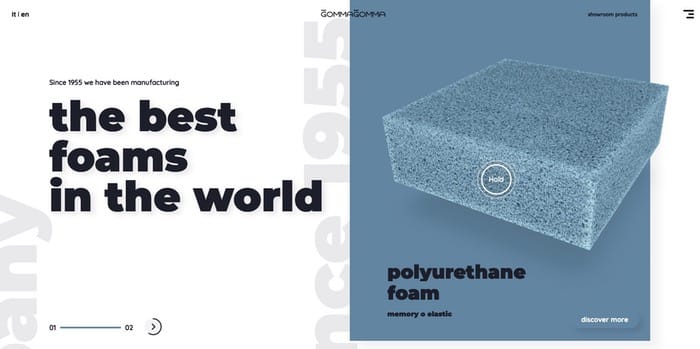
La conception d’un site web aujourd’hui pourrait se résumer à la maxime « Keep it simple ».
Ne vous y trompez pas, garder les choses simples est probablement la chose la plus difficile à faire, surtout avec l’abondance d’animations et d’artifices disponibles pour les designers souvent enclins à montrer leurs compétences.
Il ne faut pas perdre de vue la raison pour laquelle votre site attire du trafic. Ce n’est pas pour les animations sympas ou les petits détails clinquants, mais pour votre contenu. Donnez à vos visiteurs ce qu’ils recherchent grâce à un design simple et efficace.
On élimine donc les boutons 3D et autres fioritures, vous devez plutôt utiliser :
- Des illustrations simples,
- Des couleurs vives,
- Des animations discrètes,
- Un look minimaliste assurant plus d’espace blanc afin de permettre aux utilisateurs de suivre facilement l’information qu’ils cherchent.
Pour vous faciliter la vie si vous ne passez pas par une agence ou par un freelance pour réaliser votre site internet, c’est d’utiliser un CMS comme WordPress.
WordPress vous permet de créer votre site facilement en utilisant un thème. Il existe différents thèmes, certains gratuits, certains payants. Vous en trouverez forcément un qui correspond à votre activité. Il ne vous reste alors plus qu’à rédiger du texte pour enrichir vos pages et ajouter des images.
Pensez bien à mettre à jour votre site et votre thème pour toujours être à la pointe.
Certaines solutions d’hébergement comme OVH vous permettent d’installer automatiquement un site WordPress lorsque vous commandez votre nom de domaine et votre hébergement alors n’hésitez plus !
2. Mais que fait la police ?
La police d’écriture est un autre élément crucial dans le design de votre site web. La lecture de contenu en ligne nécessite une bonne lisibilité et la police de caractères doit être choisie avec soin. Une bonne police permet de mettre le texte et les informations de vos pages en valeur.
Trouvez une typographie qui conviendra le mieux à votre site, ou créez-la. Cela vous aidera à ajouter du crédit à votre boîte et les utilisateurs seront en mesure d’identifier votre marque dès qu’ils verront cette police.
Avec l’augmentation toujours plus importante de polices de caractères mise à la disposition des designers, le choix d’une police appropriée pour votre marque devient chaque jour plus facile.

3. La ligue du scroll
Un autre concept important dans le design de votre site, c’est le défilement. Dans un monde où la navigation mobile devient la norme, il est important d’avoir un site mobile ou un site responsive. La navigation est primordiale dans l’expérience utilisateur.
La facilité d’utilisation d’un site est devenue un aspect déterminant. Par conséquent, la conception one-page (une seule page) est considérée comme étant une avancée importante pour aider les utilisateurs à trouver l’information dans votre site, surtout pour les clients qui utilisent un mobile pour parcourir votre site.
L’utilisation de liens internes, menant vers les différentes parties d’une même page permet aux visiteurs d’accéder facilement à la section de la page qui les intéresse.
Cette pratique réduit considérablement le temps d’accès à l’information, car il n’est plus nécessaire de charger plusieurs pages pour y accéder. Les utilisateurs étant familiers avec ce type de mise en page cliquent et la page scrolle jusqu’à l’emplacement approprié, sans avoir à attendre qu’une nouvelle page se charge pour accéder à ce qu’ils cherchent.
4. La palette de couleur
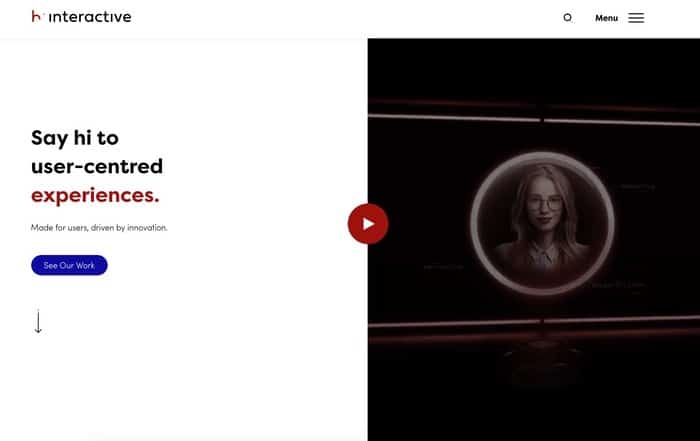
Bien sûr, les couleurs dans le web design comptent parmi les points fondamentaux et il n’y a aucune limite pour étonner ou surprendre les visiteurs.
Mais l’utilisation et l’agencement des couleurs sont critiques pour l’apparence de votre site web. Une palette de couleurs à la fois puissante et simple vous aidera à donner de la cohésion entre les autres éléments de votre design.
Bien qu’il n’y ait pas de limite au choix des couleurs disponibles, le nombre de couleurs que vous mettez en œuvre dans votre design est important :
- Si vous décidez d’implémenter trop de couleurs, restez prudent : cela peut être visuellement distrayant (ou moche)
- Si, au contraire, vous gardez un schéma de couleurs simple, il devient plus facile de se concentrer sur les éléments d’importance
5. Les call-to-action
C’est ici que vous pouvez convertir vos visiteurs en clients potentiels, puis les transformer en clients. Cela constitue un autre point important de la conception de sites web.
Un site web a pour but de vous apporter des gens qui seraient intéressés par vos produits, services ou par l’information que vous partagez. Et lorsqu’ils arrivent jusqu’à vous, votre but est de les faire revenir régulièrement.
Alors, qu’est-ce qui constitue un bon appel à l’action ?
- Un bouton pour remplir un formulaires d’inscription à une newsletter
- Un bouton pour remplir un formulaire de demande de coupon de réduction
- Une consultation gratuite
- Des livres électroniques ou livres blancs téléchargeables gratuitement
- Et bien d’autres.
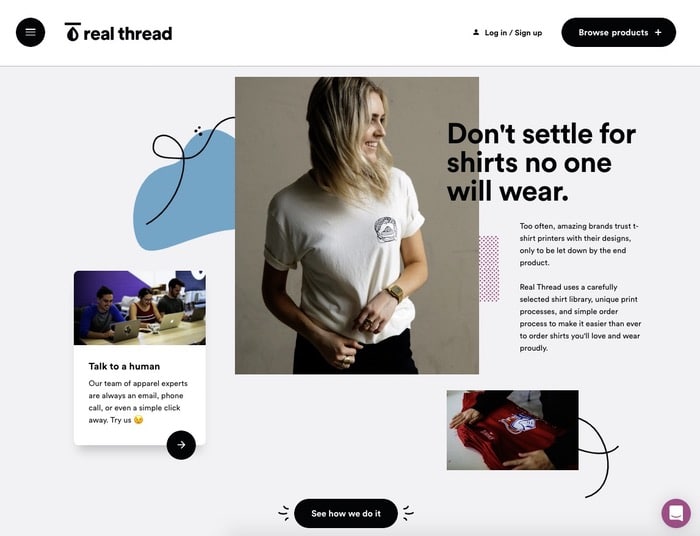
Mettez-le(s) en œuvre dès la conception de votre design, de manière à l’intégrer de façon la plus naturelle possible. Cela vous aidera à recueillir les coordonnées de vos visiteurs, ce qui vous aidera à entamer des conversations, à engager vos utilisateurs et à les convertir en clients.
Vous pouvez inclure pertinemment des CTA un peu partout, y compris à la fin des articles de blog, la page d’accueil, les pages produits…
6. Le visiteur avant tout
Lorsque vous concevez votre site internet, assurez-vous que c’est pour vos utilisateurs, avant le reste. C’est l’élément le plus important de votre design.
Parfois, on peut être tenté de faire des choses qui peuvent nuire à l’expérience utilisateur mais qui sont bonnes du point de vue du référencement. N’oubliez pas que votre utilisateur est la priorité. Rendez votre site web convivial avant d’envisager quoi que ce soit d’autre. Cela va aussi servir votre référencement.
D’ailleurs, avant même de concevoir votre site internet, il est nécessaire que vous cerniez correctement votre visiteur type. C’est à lui que votre site doit plaire. Ainsi, vous vous assurez un trafic et un taux de conversion plus important puisque votre site s’adressera à votre cible.
Notre astuce pour créer un site moderne
Evidemment, vous pouvez tenter de le faire vous-même. Mais rien n’est plus efficace pour réaliser et concevoir un site moderne que de faire appel à un professionnel spécialiste du sujet, au fait des mises à jour du marché et des évolutions en matière d’habitudes d’utilisation des internautes.
D’autant plus qu’il suffit de quelques secondes à votre visiteur pour se faire une opinion de votre entreprise, de l’image professionnelle que vous renvoyez, et donc de rester à naviguer sur vos pages, d’être converti en client, ou à passer à un autre site pour répondre à son besoin.
C’est pourquoi, pour la création de votre site web ou la mise à jour de votre site internet vers une version moderne, nous vous recommandons de faire appel à nos développeurs web freelances en déposant gratuitement votre projet sur Codeur.com.
En effet, ils sauront vous guider et vous proposer une création qui vous ressemble tout en mettant en avant votre identité professionnelle et vos valeurs d’entreprise.