Avec la multiplication des solutions de création de site, le prix d’un e-commerce est de plus en plus accessible. Notre simulateur gratuit en ligne vous permet d’ailleurs d’avoir une estimation en quelques minutes.
Le secteur du e-commerce est naturellement en pleine transformation : de nouveaux entrants arrivent chaque jour et innovent pour se démarquer. Les e-commerces doivent adapter leurs stratégies à l’évolution du comportement des consommateurs et aux scénarios en vogue sur le marché.
Quelles sont les tendances qui vont impacter le shopping en ligne en 2025 ? Partons ensemble à leur découverte !
Certains outils dans cet article sont sponsorisés. Ils comportent la mention “Sponsorisé”. Découvrez comment sponsoriser votre outil.
Un e-commerce tendance en quelques clics avec Wix
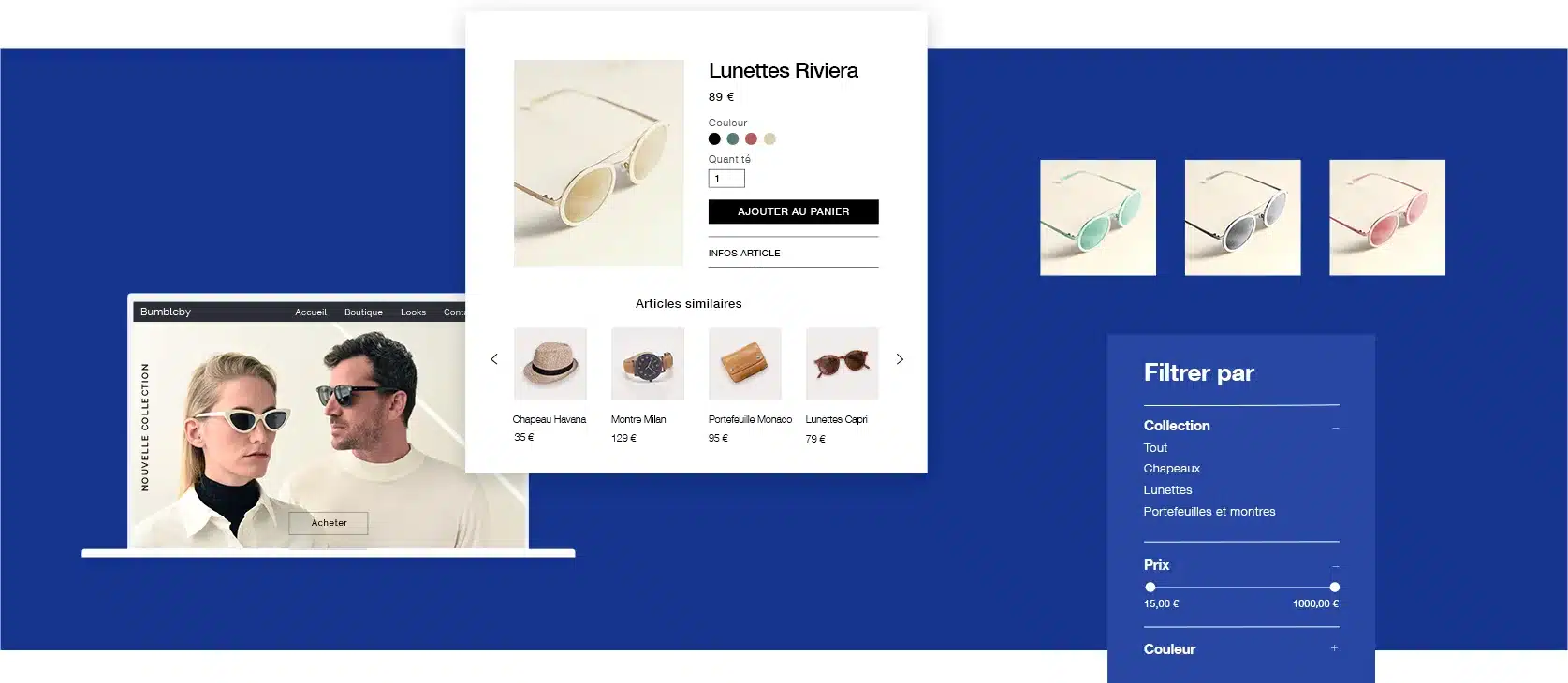
Adoptez un e-commerce à la pointe de la modernité grâce aux 500 modèles personnalisables proposés par Wix. Sélectionnez votre template, personnalisez-le, ajoutez vos produits et publiez votre boutique en ligne rapidement et facilement !
1. Le “Social Commerce” : l’intégration du shopping dans les réseaux sociaux
Le social commerce prend de l’ampleur, intégrant de plus en plus les processus d’achat directement dans les plateformes sociales comme Instagram, TikTok, et Facebook.
En 2025, cette tendance va encore se renforcer avec des fonctionnalités permettant aux utilisateurs d’acheter des produits sans quitter l’application. Ces plateformes proposent désormais des catalogues de produits, des paiements en un clic, et des options de checkout directement dans les posts ou stories.
Cela réduit les frictions et simplifie l’expérience d’achat, tout en permettant aux marques d’atteindre un public large de manière naturelle et organique. Les créateurs de contenu joueront également un rôle majeur en influençant les achats à travers des partenariats et des recommandations en temps réel.
2. La livraison écologique et durable : un impératif pour 2025
En 2025, les consommateurs seront de plus en plus exigeants en matière de livraison éco-responsable. Les entreprises devront offrir des options de livraison respectueuses de l’environnement, comme l’utilisation de véhicules électriques, de livraisons à vélo dans les grandes villes, ou de packaging 100% recyclable.
Les consommateurs s’attendront à des solutions transparentes quant à l’empreinte carbone générée par la livraison de leurs achats. De plus en plus d’e-commerces devraient proposer des options de livraison neutres en carbone, ou même utiliser des partenaires logistiques spécialisés dans la livraison durable.
Les consommateurs privilégieront les marques qui intègrent ces initiatives dans leur processus d’achat et de livraison.
3. L’intelligence artificielle toujours plus à la mode
L’intelligence artificielle continue de faire des progrès impressionnants chaque année. En 2025, l’IA est un atout majeur pour le e-commerce. Bien qu’elle ne soit pas encore totalement au point pour la rédaction de contenu de qualité, elle s’impose déjà comme un outil précieux dans le service client, particulièrement avec les chatbots qui peuvent répondre aux questions des clients 24h/24, même en dehors des heures d’ouverture. Les chatbots deviennent ainsi des outils essentiels pour générer des leads et améliorer l’expérience utilisateur.
Attention néanmoins à l’utilisation de l’IA pour la rédaction de fiches produit. Si l’IA génère des résultats rapidement, elle peut manquer de nuance et d’authenticité, ce qui peut nuire à la qualité de l’expérience client.
De plus, l’impact de l’IA sur le référencement reste flou. Google et d’autres moteurs de recherche ont encore des positions ambiguës concernant les contenus générés automatiquement.
4. L’e-commerce à l’heure de l’écologie
63% des Français aspirent à consommer mieux. 77% d’entre eux sont même prêts à renoncer à des produits d’une marque dont les modes de production sont néfastes pour l’environnement.
Vos consommateurs suivent la tendance écologique, c’est donc l’heure de mettre votre e-commerce au vert ! Sachez que vos clients sont prêts à payer plus pour des offres écoresponsables.
Cela passe par le référencement de marques écologiques (voire bio), mais aussi par vos méthodes d’envoi. Les cyberacheteurs s’intéressent de près à vos modes d’emballages (utilisez-vous des packs recyclés / recyclables ? Évitez-vous le suremballage ?), aux transporteurs utilisés et à l’impact de votre logistique en général.
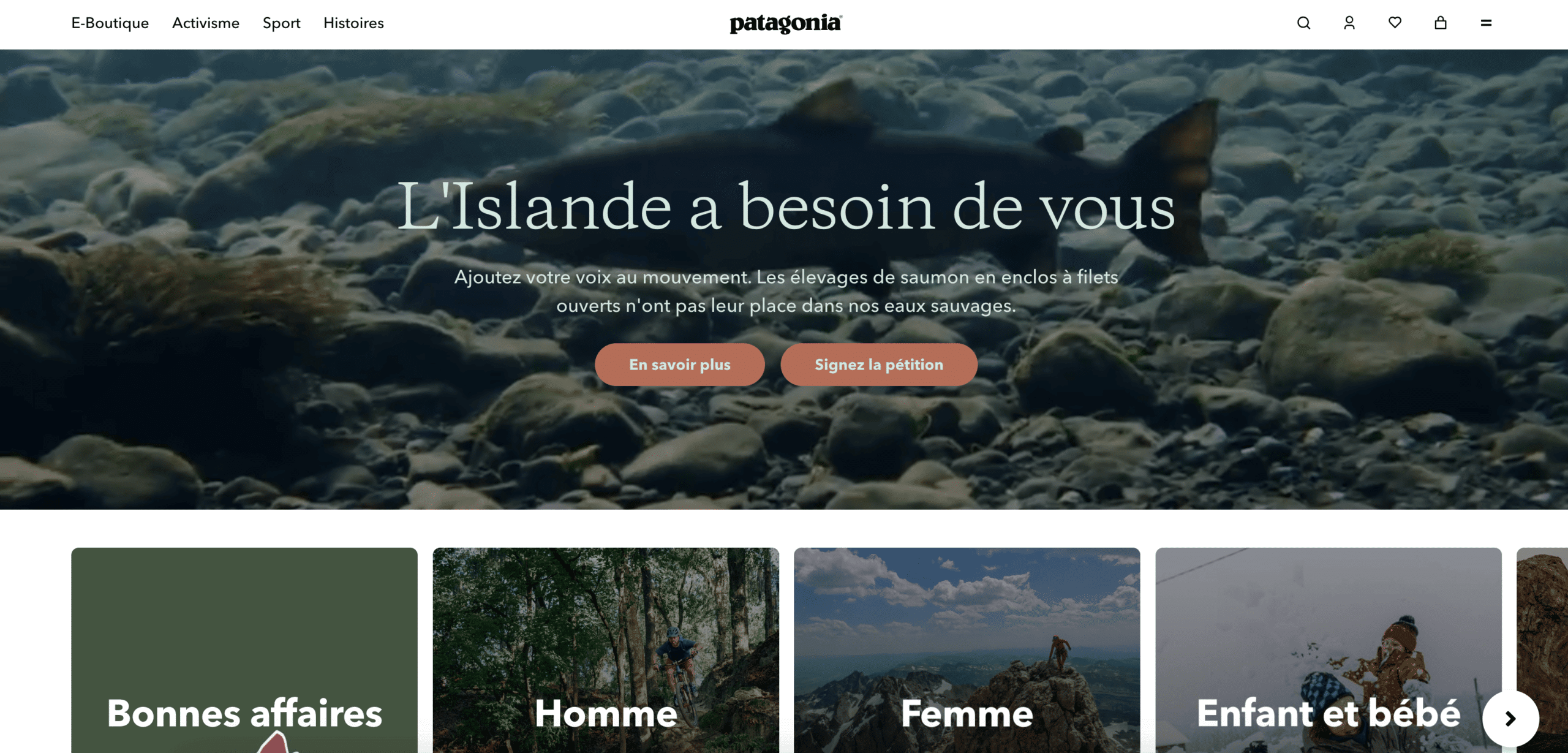
Si vous avez pris des initiatives écologiques, valorisez-le sur votre site marchand. Si vous soutenez des causes, indiquez-le clairement sur votre site comme Patagonia.
5. Le boom du ReCommerce
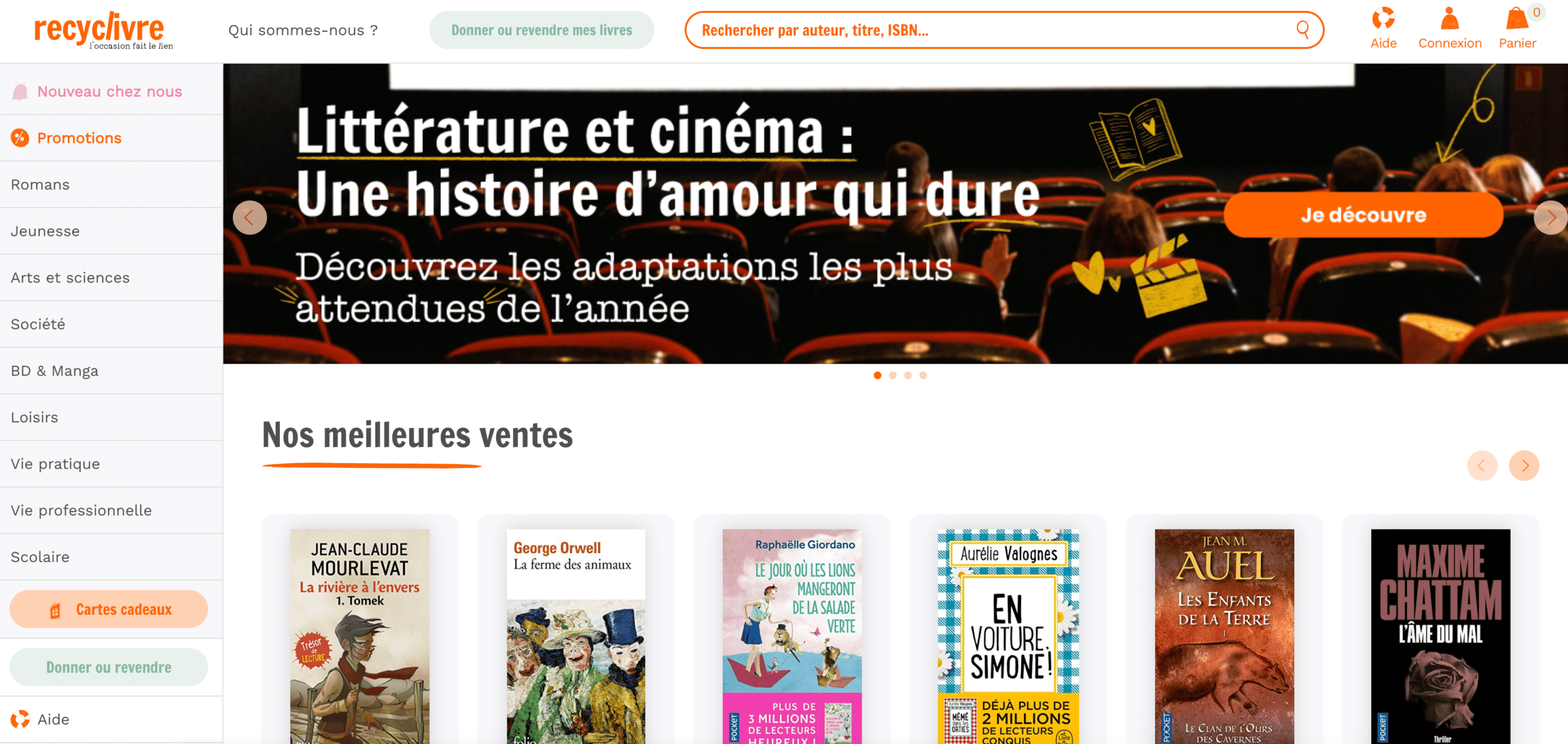
Le ReCommerce, ou commerce de seconde main, est une tendance qui continue de croître en 2025. Cette évolution est particulièrement populaire parmi la génération Z, qui privilégie des choix d’achat responsables et durables. 74% des jeunes adultes préfèrent acheter des produits de marques engagées dans des pratiques durables, et le ReCommerce devient un vecteur important pour répondre à ces attentes.
Cela représente une opportunité pour les marques, avec une croissance attendue des plateformes dédiées au ReCommerce, et des marques qui lancent leurs propres boutiques en ligne spécialisées dans ce secteur.
6. L’e-commerce visuel en plein essor
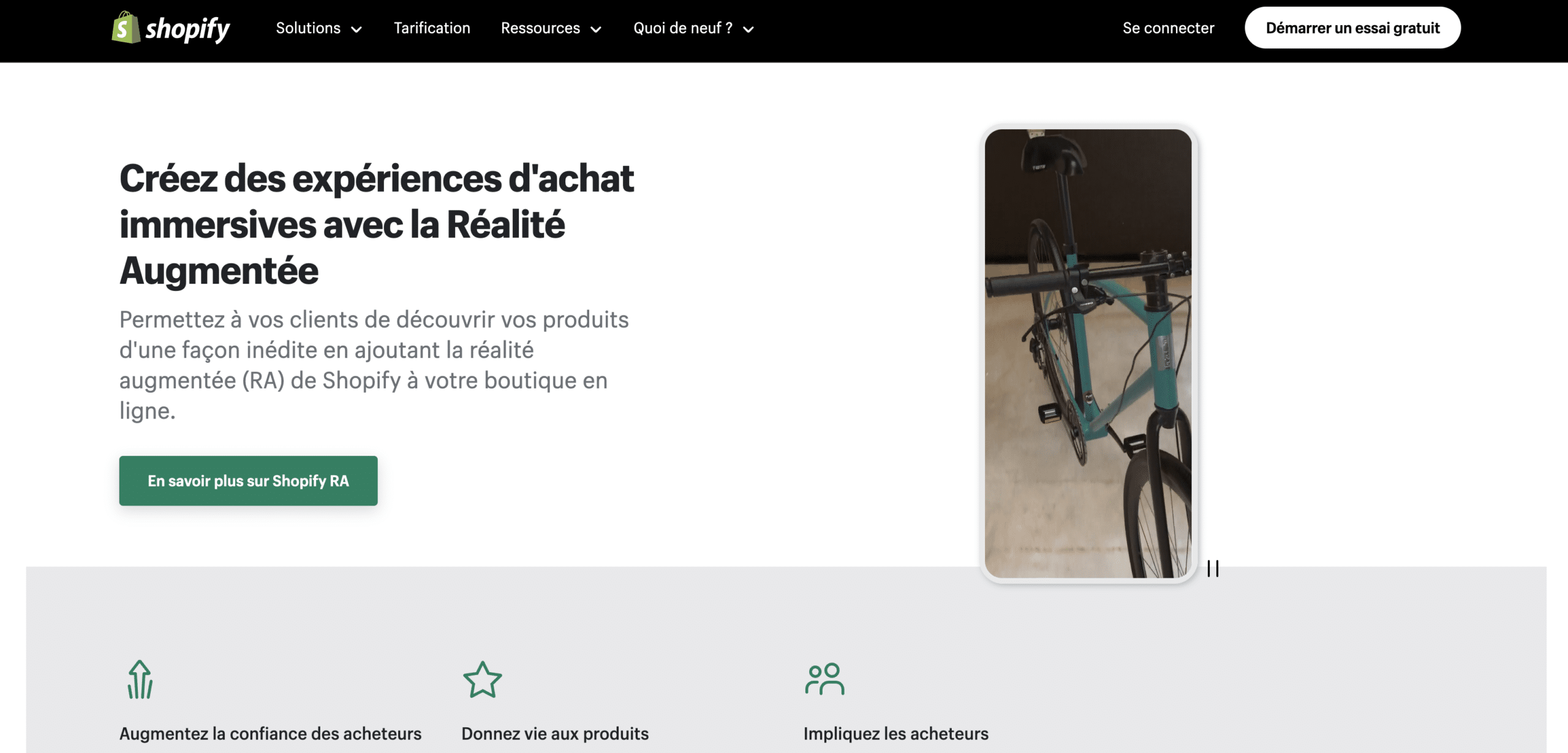
L’époque des produits sur fond blanc est révolue ! Les visuels authentiques et engageants prennent le devant de la scène. Les marques adoptent des contenus interactifs, des vidéos immersives, et surtout la Réalité Augmentée (AR) pour offrir une expérience d’achat plus interactive. Ce n’est plus réservé aux grandes marques, avec des solutions comme Shopify AR qui permettent à toutes les entreprises de créer leur propre expérience AR.
Les résultats sont là : les produits enrichis de contenu AR connaissent des taux de conversion jusqu’à 94% plus élevés. Attendez-vous à une adoption accrue de cette technologie en 2025.
7. Les chatbots vocaux à la place de centres d’appels
Les chatbots vocaux deviennent une alternative aux centres d’appels traditionnels. Ces assistants vocaux permettent de réduire les coûts tout en améliorant l’efficacité des équipes, en répondant à des questions fréquentes et en automatisant certaines tâches comme le télémarketing ou les ventes croisées.
Lorsque le chatbot vocal rencontre une difficulté, l’IA peut orienter le client vers un conseiller humain, garantissant ainsi un service client fluide et disponible en permanence.
8. Des méthodes de paiement toujours plus rapides
Le paiement instantané reste une priorité pour les e-commerces en 2025. Les consommateurs recherchent des solutions de paiement simples et rapides. De nombreuses options s’imposent aux marchands pour accélérer le processus de paiement :
- Offrir des paiements en un clic via Amazon Pay, Apple Pay, ou PayPal Checkout ;
- Permettre de sauvegarder les données pour des paiements futurs ;
- Proposer des solutions de paiements échelonnés pour les produits chers ;
- Faciliter l’achat via des canaux alternatifs comme les chatbots et les messageries instantanées.
9. Les ventes omnicanales : une nécessité
Les consommateurs recherchent une expérience d’achat fluide à travers plusieurs canaux. Que ce soit en magasin, sur mobile, ou via des plateformes en ligne, les acheteurs veulent la possibilité de comparer, acheter et finaliser leurs achats où qu’ils soient.
Pour capter ce trafic, les e-commerces doivent être présents sur plusieurs canaux :
- Ajoutez une boutique sur Facebook et Instagram ;
- Utilisez des plateformes comme Pinterest, Google Shopping, ou des marketplaces comme Amazon pour référencer vos produits.
10. Les marques prennent le contrôle de leur e-distribution
De plus en plus de marques choisissent de gérer directement leur distribution en ligne, privilégiant le modèle D2C (Direct-to-Consumer). Cela leur permet de mieux contrôler l’image de marque et de s’assurer que leurs valeurs sont respectées à travers les canaux de vente.
En 2025, ce modèle devrait se développer davantage, avec des marques préférant des réseaux de distribution alignés sur leurs principes éthiques, notamment pour les marques bio et écoresponsables.
Alors, que retenir de ces tendances 2025 ?
Les tendances du e-commerce pour 2025 se concentrent sur l’expérience client, l’écologie et l’innovation technologique. Intégrez dès aujourd’hui ces pratiques pour rester compétitif et booster votre activité.
Si vous souhaitez rester à l’avant-garde avec votre boutique en ligne, vous pouvez engager un freelance sur Codeur.com. Développeurs web, UX designers, consultants en cybersécurité, experts SEO, social media managers… Tous les experts du web sont sur Codeur.com. Publiez votre annonce pour recevoir leurs devis, gratuitement.