Le serveur est un outil informatique qui prend une forme matérielle, dont le but est de fournir un certain nombre de services aux utilisateurs. Ils sont généralement indispensables pour les entreprises.
Il existe de nombreux types de serveurs différents, dont les objectifs et le mode de fonctionnement peuvent différer. Dans tous les cas, leur maintenance est primordiale et doit être réalisée par un professionnel compétent. N’hésitez pas à solliciter un professionnel de la maintenance de serveurs sur Codeur.com !
Nous faisons le point avec vous sur les principaux serveurs et leur fonctionnement.
Qu’est ce qu’un serveur ?
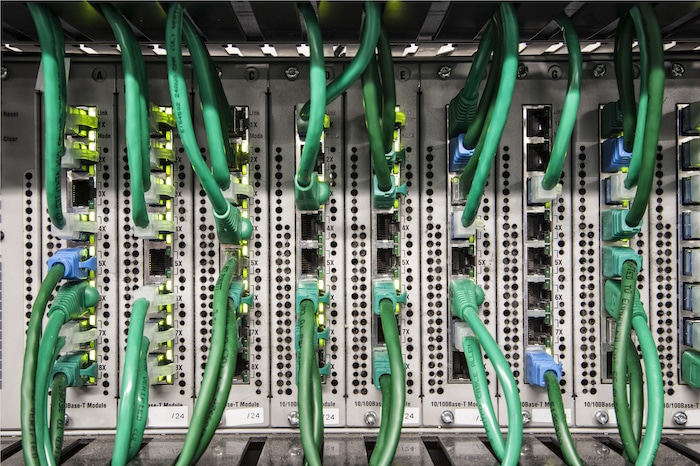
Le serveur est un outil informatique puissant qui permet aux ordinateurs équipés un accès facilité au web grâce au partage de fichiers, et qui assure également le stockage des données de manière sécurisée.
Il permet de relier les ordinateurs en réseau, mais aussi les imprimantes de l’entreprise et garantit le bon fonctionnement des plateformes de vente en ligne ou de travail en réseau. C’est aussi un outil performant pour la gestion des mails.
On peut entendre deux définitions lorsqu’on parle d’un serveur : le hardware et le software.
Le serveur Hardware est aussi appelé serveur matériel. Il s’agit d’un boîtier ou d’un disque dur très performant, qui s’installe sur l’ordinateur en réseau et améliore grandement sa puissance. Son rôle est de relier les ordinateurs et les logiciels en réseau pour permettre l’échange d’informations en interne. C’est aussi ce boîtier qui stocke et traite les données enregistrées.
Le serveur Software prend la forme d’un logiciel. Il peut être utilisé sur un ou plusieurs ordinateurs, en fonction de l’usage qui en est fait.
Son rôle principal est de distribuer les tâches attibuées à l’ordinateur sur lequel il est installé. On distingue trois serveurs software : le logiciel système, de programmation et d’application.
Les principaux types de serveurs et leur fonctionnement.
Un serveur fonctionne en utilisant un système de sécurité propre qui vise à renforcer la protection des données de votre entreprise. Il fonctionne en permanence, ce qui permet à vos collaborateurs de travailler sur leurs ordinateurs quand ils le souhaitent, or temps de mises à jour et d’intervention du prestataire pour l’entretien du système.
Grâce à cela, chaque collaborateur travaille sous un réseau protégé et ce peu importe où il se trouve. Le serveur exécute ses tâches en totale autonomie selon les protocoles qui lui auront été ordonnés en amont. Pour plus de sécurité, il peut être intéressant d’installer un administrateur réseau qui assurera la maintenance et vous donnera accès aux données enregistrées dans le serveur en cas de besoin. C’est aussi cet élément qui permettra de protéger votre serveur des failles de sécurité et de le maintenir en bon état.
Il existe cependant plusieurs types de serveurs qui ont chacun leur spécificité. En voici un petit tour d’horizon.
Comment fonctionne un serveur DNS ?
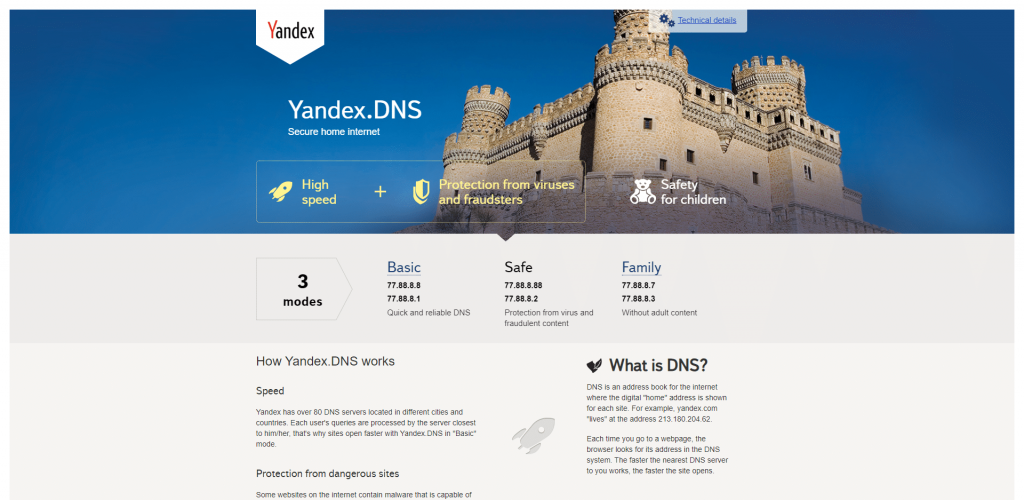
Le serveur DNS est traduit par Domain Name System. Son rôle est de traduire les noms de domaine des sites internet en adresses IP.
Il fonctionne impérativement en réseau. Il est mis en place pour identifier facilement les différents sites web et fonctionne comme un annuaire, en identifiant pour chaque site web une adresse IP qui est ensuite enregistrée par le serveur à des fins de protection et d’identification des actions effectuées sur un ordinateur. Ces correspondances établies entre nom de domaine et adresse IP sont appelées “enregistrement DNS”.
Comment fonctionne un serveur FTP ?
Le serveur FTP est un outil qui permet d’envoyer et de récupérer des fichiers depuis un autre serveur. Son nom complet est File Transfer Protocol. Il fonctionne grâce à l’établissement de deux connexions différentes entre un ordinateur client et le serveur : une connexion qui permet les commandes de fichiers et une connexion qui autorise le transfert des fichiers. Une fois ces connexions établies, l’ordinateur client peut télécharger les fichiers qu’il souhaite à partir du serveur, ou bien les transférer sur le serveur sélectionné.
Souvent, le serveur FTP fonctionne sans chiffrage, ce qui se traduit par un faible niveau de sécurité et de protection des données. C’est principalement ce qui peut être reproché au serveur FTP. Cependant, dans le cadre de l’hébergement d’un site internet, le serveur FTP sert surtout à stocker les fichiers qui permettent au site de s’afficher sur l’URL qui lui est attribuée.
Les risques ne sont donc pas si grands, si le serveur FTP est couplé à un autre type de serveur plus sécurisé qui permettra de garantir la confidentialité des données de vos utilisateurs.
Comment fonctionne un serveur web ?
Le serveur web est un outil qui permet le stockage des données qui permettent à votre site internet de fonctionner une fois en ligne. Il peut être statique ou dynamique, selon vos besoins et vos possibilités.
Le serveur web statique est composé d’un ordinateur et d’un serveur HTTP, qui prend la forme d’un logiciel. Le serveur web statique transfère les fichiers hébergés sans les modifier vers le serveur.
Le serveur web dynamique est composé d’éléments logiciels complémentaires, comme un serveur d’applications et une base de données. Le serveur est dynamique parce que contrairement au serveur web statique, les fichiers hébergés sont mis à jour par le serveur d’applications avant d’être partagés avec le serveur HTTP.
Le serveur web doit donc héberger les éléments qui permettent à un site internet de fonctionner correctement une fois mis en ligne. Ces éléments sont les documents HTML, les images, les fichiers Javascript, les vidéos et fichiers de fonte…
Le serveur web est toujours en fonctionnement et toujours relié à Internet, ce qui permet à votre site de fonctionner 24 heures sur 24. Lorsque vous voudrez vous connecter à votre site internet, le naviguateur que vous utilisez envoie une requête au serveur web qui héberge vos fichiers. Le serveur traite alors la requête et lit le fichier, le met à jour s’il est dynamique et le transfère au naviguateur.
Comment fonctionne un serveur de fichiers ?
Le serveur de fichiers permet la centralisation de fichiers communs et l’accès à ces derniers par tous les utilisateurs autorisés. Souvent, ces serveurs sont installés par les entreprises qui travaillent en réseau et ont besoin d’un espace de travail en ligne. Les collaborateurs peuvent alors sans problème travailler sur des fichiers commun et des dossiers partagés, directement via le serveur ou à l’aide d’applications métier.
Le serveur de fichiers est un outil plutôt sécurisé, puisque seuls les collaborateurs autorisés par l’administrateur système y ont accès. De plus, les personnes doivent s’identifier avant de pouvoir accéder aux fichiers et dossiers partagés, ce qui renforce encore la protection des données.
Le serveur de fichiers peut être complété par une structure d’autorisation, qui permet à chaque utilisateur de lire, modifier ou créer des fichiers selon les actions qui lui sont permises. Il est aussi possible de stocker sur le serveur de fichiers des dossiers individuels ou plus spécifiques, accessibles seulement à une catégorie précise de collaborateurs.
Le serveur de fichiers fonctionne le plus souvent grâce à un réseau local, aussi appelé LAN. Il fait partie du système d’exploitation des ordinateurs de votre flotte et autorise le travail de groupe et la collaboration entre pairs. Il est indispensable dans les entreprises pour permettre un traitement efficace des dossiers. Pour fonctionner de manière optimale, le serveur fichiers doit être administré de manière régulière et le stockage contrôlé pour améliorer l’efficacité.
Les collaborateurs qui ne sont pas présents sur site peuvent utiliser le serveur fichiers en se connectant au réseau de l’entreprise via un VPN qui permet d’étendre le réseau professionnel au réseau local des collaborateurs.
Comment fonctionne un serveur Proxy ?
Le serveur proxy est un intermédiaire entre le web et votre ordinateur. Il permet d’assurer la sécurité et la confidentialité des données partagées et reçues, à différents niveaux qui sont décidés en fonction du type d’utilisation du web, des besoins de vos collaborateurs ou de la politique de l’entreprise.
Concrètement, le serveur proxy perçoit le trafic internet avant de vous le transmettre, et inversement. Il agit comme un pare-feu et un filtre pour le web, afin de vous protéger des malwares et des failles éventuelles de sécurité auxquelles vous pourriez être confronté. Le serveur proxy peut aussi créer des connexions réseau partagées et placer les données en cache pour que vos requêtes soient traitées plus rapidement. C’est donc un filet de sécurité plutôt efficace.
Notre astuce pour choisir le serveur adapté à vos besoins.
Les serveurs dont vous pourriez avoir l’utilité dépendent de vos besoins en tant qu’entreprise ou travailleur indépendant. Ils doivent être choisis pour leur efficacité et de manière à s’adapter aux outils informatiques que vous utilisez au quotidien.
Dans la création de votre site internet, le partage de vos fichiers ou encore la sécurité de votre réseau, il peut être intéressant d’opter pour une combinaison efficace de serveurs.
Pour vous faire accompagner dans cette démarche, choisissez de faire confiance à l’un des freelances qui collaborent sur Codeur.com et profitez d’un service clé en main de qualité.