Par le passé nous avons déjà évoqué ici même les bénéfices du marketing vidéo, et comment faire son livestream. Nous allons aujourd’hui essayer de transformer l’essai en s’assurant que vos évènements live rencontrent leur public et obtiennent le succès qu’ils méritent.
Ce n’est pas tout de choisir la bonne plateforme, le bon matériel et les bons intervenants. Il faut que le public soit au rendez-vous et que son nombre soit digne des efforts que vous avez mis en œuvre pour produire votre évènement.
Nous allons donc lister dans cet article quelques conseils pour vous garantir un maximum de retour sur investissement.
Avant de commencer votre événement en ligne
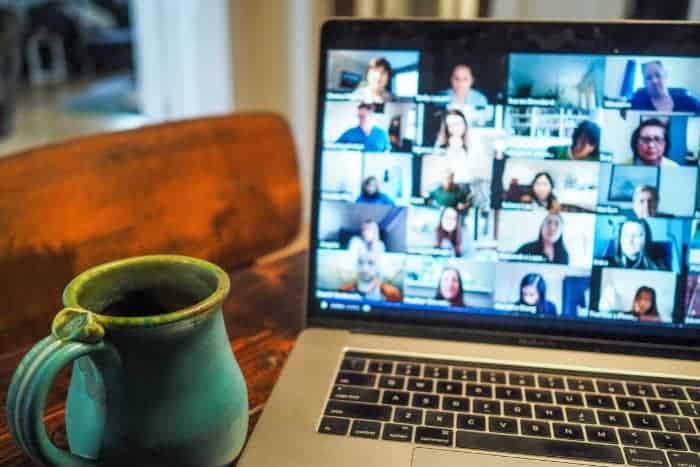
1. Définissez le concept et ses objectifs
Qu’il soit grand ou petit, en ligne ou hors ligne, chaque événement doit avoir un concept et des objectifs clairement identifiés. Plus tôt vous pouvez commencer à planifier, mieux c’est.
Avant d’organiser un événement virtuel, répondez aux questions suivantes :
- Quel type d’expérience espérez-vous offrir ?
- L’événement sera-t-il en direct, à la demande, ou les deux ?
- Où voulez-vous que le contenu soit vu ?
- L’accès sera-t-il payant ou gratuit ?
- Quels sont les indicateurs clés de performance et les données que vous prévoyez de suivre ?
2. Définissez la date et l’heure
La date et l’heure de votre évènement, surtout s’il est en direct, ne doit pas être choisie au hasard.
Posez-vous les questions suivantes :
- Est-ce que la date envisagée n’entre pas en concurrence avec un autre évènement susceptible de capter une partie de votre public ?
- Est-ce que la date envisagée ne tombe pas sur une fête quelconque susceptible là aussi de vous priver d’une partie de votre audience ?
- Sur quel fuseau horaire se situe la majorité de votre public, et pouvez-vous faire en sorte de contenter un maximum de monde ?
- Si vous disposez de Personas, demandez-vous si ces personas sont disponibles le jour choisi, dans le créneau horaire retenu.
3. Segmenter les invitations
Même si votre événement tourne autour d’un sujet principal unique, vous devez être conscient de la disparité de votre audience. Chaque cible dispose d’une motivation à s’inscrire (rencontrer des partenaires, prospecter, se former, etc.).
Pour segmenter vos invitations, analysez les données récoltées via votre stratégie d’acquisition : coordonnées, démographie, sexe, localisation, âge, intérêts professionnels…
Suite à l’envoi de vos premières campagnes, pensez à des prises de contact encore plus personnalisées, en fonction des réponses de votre public.
La stratégie suivant la segmentation consiste à regrouper les destinataires par action : ceux qui ouvrent les emails, ceux qui ne les ouvrent pas, ceux qui cliquent sur les liens, ceux qui les partagent, etc.
Promouvoir l’event
4. Teaser l’événement virtuel
Pourquoi attendre jusqu’à votre événement pour partager des informations précieuses ? De la même façon qu’une bande-annonce de film incite les spectateurs à prendre une place de cinéma, un court aperçu des contenus proposés durant ce rendez-vous incite les internautes à s’inscrire.
Suscitez l’intérêt des participants en leur proposant de brèves interviews de vos intervenants, des extraits de précédentes interventions ou le planning des débats et tables rondes.

5. Écrivez un billet de blog et partagez-le sur les médias sociaux
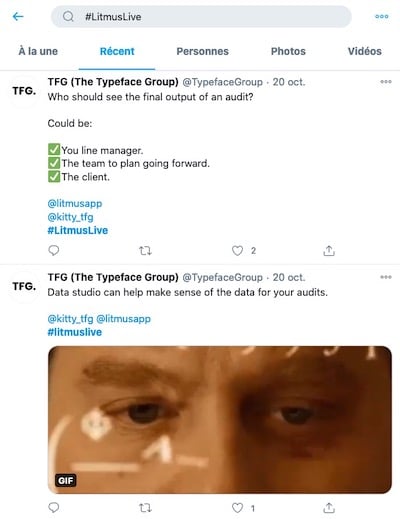
Rédigez un article de blog pour annoncer la tenue de votre event et bien sûr, partagez votre billet sur les médias sociaux pour stimuler la participation.
N’oubliez pas d’utiliser des hashtags – ou de créer votre propre hashtag au nom de l’évènement, qui peut selon les cas, servir aux participants pour poser des questions ou publier leurs réactions sur les médias sociaux pendant votre événement.
6. Profitez des outils sociaux disponibles
Les réseaux sociaux offrent diverses fonctionnalités pertinentes pour la promotion de votre événement virtuel. Notamment :
- Les stories : à utiliser pour teaser l’événement, diffuser l’agenda, partager les coulisses des préparatifs…
- Le compte à rebours Instagram : à intégrer dans vos stories pour susciter l’impatience et la curiosité de vos abonnés.
- Facebook Évents : en créant un événement Facebook, vous pouvez interagir directement avec les potentiels participants, fédérer une communauté autour de ce rendez-vous et augmenter la portée de votre communication.
- La diffusion en direct : que ce soit des interviews avant l’événement ou le partage de l’événement en direct, ce format propose une très forte portée et un excellent taux d’engagement.
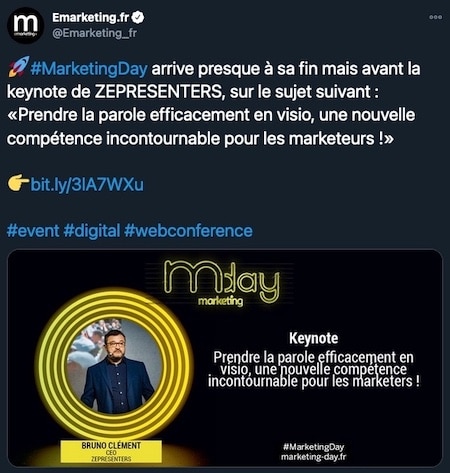
7. Envoyez une newsletter

Si vous disposez déjà d’une liste de diffusion, faites la promotion de votre événement auprès de vos abonnés.
Si l’inscription à votre événement requiert une inscription, vous pouvez leur envoyer un courriel de remerciement pour leur inscription, puis un courriel de rappel un ou deux jours avant l’événement, et même un dernier email une heure avant le début de celui-ci.
8. Mener une campagne co-brandée
Une campagne co-brandée consiste à s’associer à une autre marque ou à un autre sponsor pour créer l’événement. Cette stratégie vous aide à attirer plus de participants qualifiés puisque chaque partenaire communique auprès de sa communauté.
C’est aussi une excellente stratégie pour optimiser votre base de prospection. En effet, les organisateurs peuvent partager la liste des leads gagnés au cours de l’événement virtuel. Chacun sera ainsi motivé à promouvoir cette rencontre.
De plus, un partenaire ajoute de la crédibilité à votre événement, ce qui attire des experts et d’excellents orateurs.
Une semaine avant le jour J
9. Varier la programmation et les formats
Votre événement est virtuel. Il n’obéit pas aux mêmes règles qu’un salon ou une foire. Vous n’êtes pas obligé de respecter le triptyque : discours d’ouverture – tables rondes en comité réduit – conférence de fermeture.
Vous pouvez organiser des sessions sous forme de dîners virtuels, des formations ou démonstrations en direct et des live-chat avec des personnalités connues.
Plus votre concept et votre programmation sont originaux, plus le public sera intéressé.
10. Testez votre matériel et votre technologie
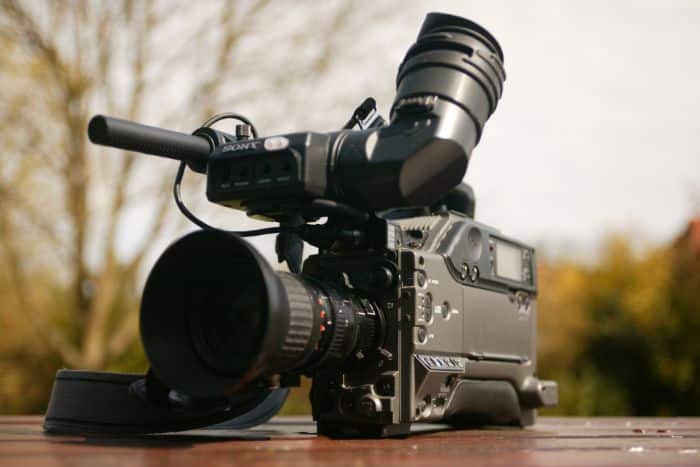
Une fois que vous avez choisi votre plateforme et votre matériel de diffusion, mettez en place un test. Essayez toutes les fonctionnalités que vous allez utiliser pendant votre événement et enregistrez la vidéo.
Analysez votre son, la qualité de la vidéo, le décor et tout autre élément qui permettra d’optimiser votre événement pour qu’il soit le plus abouti possible.
11. Faites un essai « grandeur nature »
Avant le jour de la présentation, prévoyez un essai et agissez comme si c’était votre live.
Assurez-vous que tout fonctionne correctement, que les diapositives sont en ordre et sortent correctement sur différentes tailles d’écran. Vérifiez que chaque intervenant sait ce qu’il fait, afin de ne pas avoir de surprises le jour J. L’évènement doit se dérouler de manière fluide et sans temps mort.
Le jour de l’événement en ligne
Nous y sommes, le grand jour est arrivé. Vous avez tout préparé comme il se doit, pourtant vous pouvez encore tout gâcher et votre évènement peut faire flop…

12. Commencez à l’heure
Arriver en retard à une réunion n’est jamais une bonne chose, même virtuellement ! Toute votre équipe doit être prête 10 à 15 minutes avant le début de la diffusion.
13. Restez zen
Comme pour tous les événements en direct, certaines choses sont hors de votre contrôle. Des pépins sont inévitables, qu’il s’agisse de votre WiFi, de votre ordinateur portable ou des logiciels que vous utilisez.
Préparez-vous donc à affronter un problème éventuel avec calme. Et surtout n’oubliez pas : The show must go on !
14. Créer de l’interaction et de l’engagement
La plupart des plateformes d’événements en ligne disposent d’outils interactifs comme une boîte de dialogue, où les participants peuvent poser des questions et partager leurs réponses à toutes les questions que vous posez.
Planifiez des moments précis qui invitent votre public à participer.
De manière générale, discutez avec eux en déroulant votre contenu.
15. Transformer les clients en ambassadeurs de l’événement virtuel
Vous connaissez déjà l’importance du contenu généré par les utilisateurs pour votre stratégie marketing. Pour la promotion de vos événements virtuels, vos clients fidèles ont également un rôle à jouer.
En tant qu’ambassadeurs de votre entreprise, ils constituent un gage d’assurance pour les prospects. S’ils parlent de vous, c’est que vous êtes professionnel, fiable et que votre événement sera forcément de grande qualité !
16. Mettre à contribution vos employés
En plus de travailler avec d’autres marques et vos clients, n’oubliez pas d’impliquer les employés de votre entreprise. Plus il y aura de personnes qui publieront des articles sur un événement, plus le bouche-à-oreille sera important.
Au-delà des liens vers la page d’inscription, fournissez-leur des images, vidéos, URL de suivi et la couverture de l’événement à partager. Préparez-leur des messages à diffuser sur leurs réseaux sociaux afin de leur faciliter au maximum la communication autour de ce rendez-vous.
Conclusion
Les événements vidéo sont un moyen efficace d’atteindre votre cible. Ce format très populaire auprès des internautes génère plus d’engagements qu’une vidéo classique. Toutefois, la tenue d’un tel évènement nécessite une réflexion stratégique, une planification adéquate et des efforts marketing.
Vous voilà désormais un peu plus proche de la réussite !
Pour organiser votre communication ou créer vos supports marketing vous pouvez compter sur les graphistes et professionnels du webmarketing de Codeur.com ! Publiez votre annonce gratuitement pour recevoir leurs devis en quelques minutes.