Les données structurées spécifiques aux articles et brèves d’actualité sont un atout incontournable pour booster le référencement de votre blog. Ces balises SEO, invisibles mais puissantes, donnent de précieuses indications aux moteurs de recherche.
Cet article plonge au cœur des données structurées, explorant leur essence, leur impact sur le SEO et la manière dont elles transforment l’attrait de vos contenus dans les pages de résultat. Découvrez les différentes métadonnées nécessaires pour votre blog — Article, NewsArticle et BlogPosting — et les informations à renseigner sur l’auteur pour maximiser l’autorité de vos publications.
Qu’est-ce que les données structurées pour les articles ?
Les données structurées permettent aux moteurs de recherche d’indexer plus efficacement vos news et articles, mais aussi de les comprendre et de les présenter de manière plus attrayante aux utilisateurs.
Définition des données structurées dédiées spécifiquement aux articles de blog
Les données structurées sont comme des étiquettes invisibles pour votre contenu en ligne. C’est le secret pour rendre chaque article plus accessible et compréhensible par Google et autres moteurs de recherche.
En intégrant ces précieuses métadonnées, vous signalez clairement aux robots Google le sujet, l’auteur, la date de publication et bien plus encore, ce qui facilite l’indexation et la présentation de vos articles dans les SERPs.
Pourquoi les données structurées sont importantes pour le blog
Les données structurées améliorent le positionnement de vos articles dans les résultats de recherche. De plus, une étude a démontré que l’intégration de ces balises sur une page augmente de 51% le taux de clics.
Par ailleurs, elles indiquent les renseignements à afficher dans les publications sur les réseaux sociaux, rendant les posts plus attractifs.
Utiliser judicieusement les données structurées permet de capter l’attention et invite à l’action. Pour les entreprises et les médias en ligne, c’est un atout indispensable pour se démarquer dans la mer numérique et attirer un trafic qualifié vers leur site.
Les différents types de contenu et leurs données structurées associées
Que vous souhaitiez éclairer, informer ou engager, il existe un type de données structurées fait sur mesure pour vos contenus. Parcourons en détails les différences entre les métadonnées Article, NewsArticle et BlogPosting.
Les données structurées Article
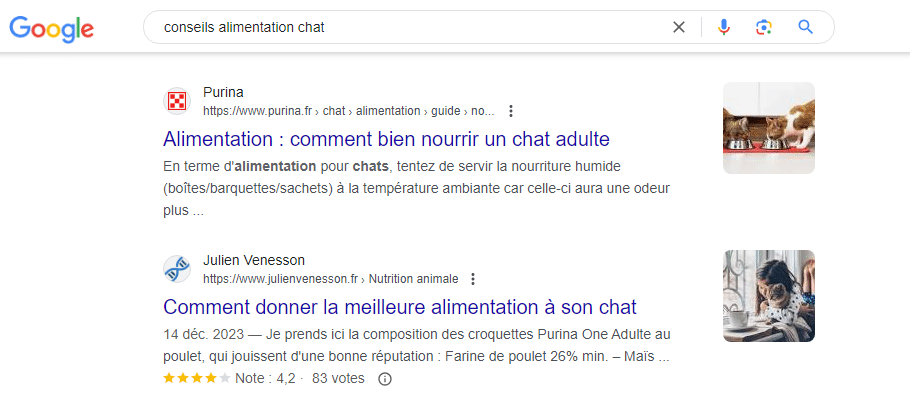
Les données structurées “Article” mettent en avant des éléments clés comme le titre, l’auteur, la date de publication, et une image à la une, catapultant la visibilité de vos articles de fond et analyses détaillées.
Idéal pour les contenus exhaustifs destinés à un public avide de connaissances, cette balise SEO est votre meilleure alliée pour des articles qui visent à établir votre autorité sur un sujet spécifique.
À utiliser sans modération pour des contenus evergreen, souvent destinés à un public recherchant des analyses poussées ou des guides complets, valables sur le long terme.
Les données structurées NewsArticle
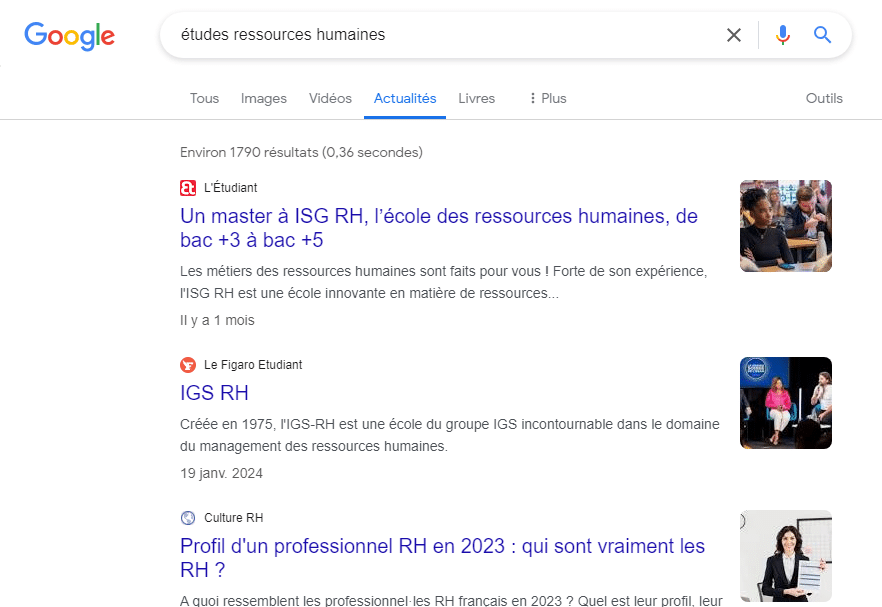
Pour les contenus d’actualité brûlante, les données structurées “NewsArticle” soulignent l’urgence et la pertinence temporelle de vos reportages et articles tendances.
Ces balises assurent à vos contenus un placement de choix dans les sections d’actualités des SERP, attirant ainsi un trafic ciblé pendant leur période de pertinence maximale.
Lorsque chaque minute compte, ces données structurées sont l’outil parfait pour propulser vos informations à la une.
Les données structurées BlogPosting
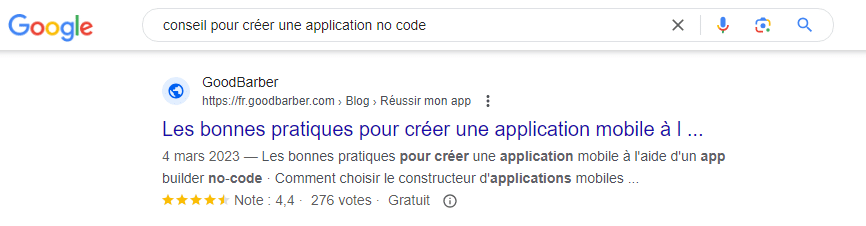
Les billets de blog, avec leur ton plus personnel et critique, nécessitent l’utilisation des données structurées “BlogPosting”.
En mettant l’accent sur l’auteur, la date de publication, et en intégrant des éléments multimédias, ces balises renforcent la connexion avec votre audience, invitant à l’interaction et à la conversation.
Elles sont particulièrement adaptées aux contenus de blog visant à engager la conversation avec les lecteurs ou à partager des perspectives uniques sur des sujets variés.
Utiliser ces données structurées aide à personnaliser la présentation des articles dans les résultats de recherche, encourageant ainsi les clics et l’interaction avec le contenu.
Comment choisir le bon type de données structurées pour vos articles de blog ?
Choisir le bon type de données structurées pour vos articles de blog est essentiel pour optimiser votre contenu pour les moteurs de recherche et améliorer l’expérience utilisateur.
- Analysez le but de votre article : Est-il informatif, éducatif, destiné à l’actualité ou exprime-t-il une opinion personnelle ? La nature de votre contenu guidera le type de données structurées à utiliser.
- Examinez le contenu existant sur votre secteur qui utilise efficacement les données structurées. Utilisez des outils comme Schema Markup Testing Tool pour voir comment ils les intègrent.
- Testez différents types pour voir lequel met le mieux en valeur votre contenu dans les SERP. Les résultats peuvent varier selon le sujet et l’approche de l’article.
Les erreurs à éviter : Résistez à la tentation de surcharger vos articles avec des données structurées inutiles ou mal choisies. Trop d’informations peuvent confondre les moteurs de recherche et diluer l’efficacité de votre stratégie SEO.
L’importance de bien renseigner les informations sur l’auteur
L’intégration d’informations précises sur l’auteur dans les données structurées d’un article de blog peut significativement améliorer son référencement. Voici les principaux détails à renseigner :
Nom de l’auteur
C’est l’élément de base. Assurez-vous que le nom est correct et cohérent avec d’autres publications ou citations de l’auteur sur le web.
Image de l’auteur
Fournir une URL d’une image de profil professionnelle de l’auteur. Cela ajoute une touche personnelle et peut améliorer la visibilité dans les résultats de recherche.
Biographie de l’auteur
Indiquez le texte contenant une courte biographie mettant en lumière l’expertise et les qualifications de l’auteur pour la crédibilité et l’autorité du contenu.
Identifiants des profils sur les réseaux sociaux
Inclure les liens vers les profils sociaux de l’auteur (comme X, LinkedIn ou Threads) augmente l’engagement des lecteurs et établit une connexion plus profonde.
URL du profil de l’auteur sur le site
Indiquer le lien vers une page de profil (sur le même site) qui résume les contributions de l’auteur, renforçant son autorité et sa présence en ligne.
Affiliation de l’auteur
Mentionner l’organisation ou l’entreprise à laquelle appartient l’auteur, si c’est pertinent pour ajouter de la pertinence et de l’autorité au contenu.
Métier de l’auteur
Préciser le poste ou la spécialisation de l’auteur ajoute à la compréhension de son expertise et de sa pertinence pour le sujet abordé.
Notre conseil pour intégrer les données structurées à vos articles
Utilisez les données structurées avec créativité et simplicité, afin d’optimiser au mieux le référencement de vos articles dans les moteurs de recherche. Cependant, rappelez-vous que ces balises SEO sont le “sel” de votre contenu, pas le plat principal. La clé réside dans la qualité de vos articles, qui doivent offrir une valeur ajoutée et répondre précisément aux besoins de votre audience.
Besoin d’un contenu impeccable pour doper votre SEO ? Pensez à faire appel à un rédacteur web sur Redacteur.com pour obtenir des articles de grande qualité !
L’article L’importance des données structurées pour vos articles est apparu en premier sur Redacteur.com.