Un édito, ou éditorial, est un petit texte présent au début des journaux ou des magazines. Sa rédaction est particulièrement importante car l’édito est lu en premier : confiez la à un rédacteur professionnel !
Il introduit et peut même permettre à l’éditorialiste de donner son point de vue ou renseigner le lecteur sur ce qu’il va trouver dans le journal ou le magazine.
Comment rédiger un édito ? Voici tout ce que vous devez savoir sur le sujet.
C’est quoi un éditorial ?
Avant de rédiger un édito, il est essentiel de rappeler ce qu’est un éditorial. Ce dernier se différencie d’un article qui se contente de relayer des faits, il exprime une opinion.
Grâce à un édito, le lecteur en sait plus sur ce qu’il va trouver dans le journal ou le magazine qu’il introduit. Il donne des indications sur les sujets principaux qui sont traités mais aussi le style et la tonalité.
L’édito est toujours unique, il s’adapte à la saison et aux événements qui ont un impact direct avec l’activité concernée. Selon le message que vous souhaitez faire passer, l’édito peut :
- replacer un contexte,
- renseigner sur contenu,
- proposer un angle de lecture,
- traiter un sujet qui n’est pas abordé,
- donner le point de vue du journal ou du magazine.
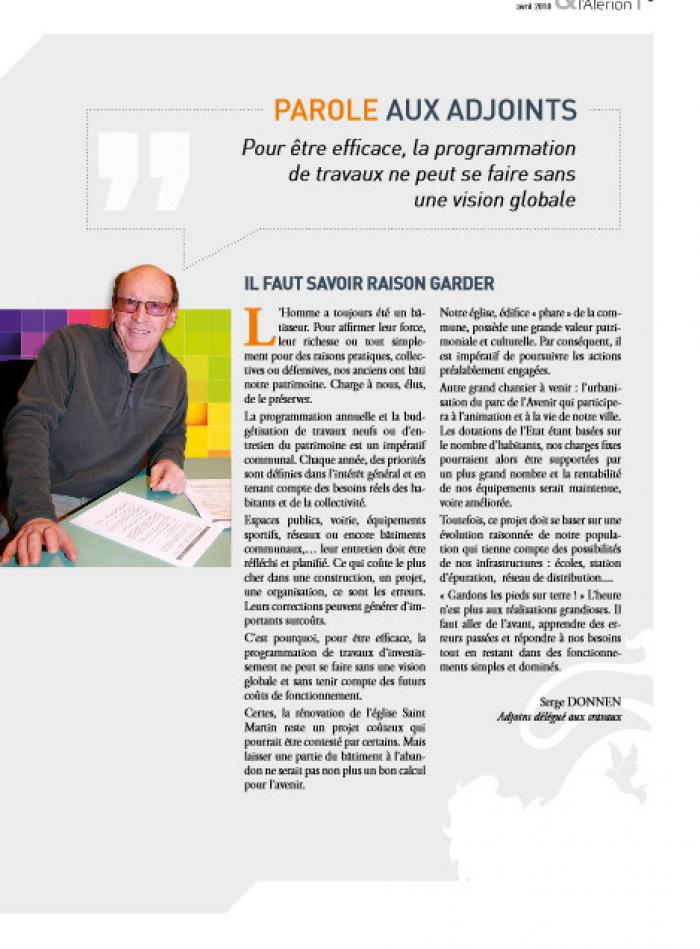
Rappelez-vous qu’il faut attirer l’attention du lecteur avec l’édito. Ce petit texte est très puissant. Il peut même vous permettre de fidéliser votre audience. Certains magazines et journaux sont populaires grâce à leurs éditos décalés et toujours de grande qualité.
Un édito est un article à part entière. Avant de le rédiger, vous devez vous fixer des objectifs puis respecter certaines règles incontournables comme donner un titre accrocheur, travailler l’accroche et finir en s’ouvrant vers une thématique plus vaste ou en marquant les esprits.
À lire aussi : 5 astuces pour définir votre ligne éditoriale en B2B
Définir l’angle de l’édito
La première étape de la rédaction de votre édito est d’en déterminer l’angle. Vous devez garder en tête qu’avec cet éditorial, vous pourrez influencer et convaincre.

Voici les différents types d’éditoriaux.
- L’éditorial explicatif. Il donne la position du journal ou du magazine, et l’explique, sur un sujet qu’il soit neutre ou controversé.
- L’éditorial critique. Il porte un jugement sur une action ou une décision et propose des alternatives plus efficaces.
- L’éditorial persuasif. Il pousse le lecteur à agir en lui proposant des solutions à un problème identifié.
- L’éditorial élogieux. Il supporte des associations ou des organismes pour leurs actions auprès de la communauté.
À lire aussi : Comment rédiger une charte éditoriale pour le web ?
Enrichir l’édito de faits marquants
Comme nous l’avons déjà dit, rédiger un éditorial, c’est comme rédiger un véritable article. D’ailleurs, tout comme lui, il donne des faits. Ces derniers sont accompagnés d’une prise de position mais ils restent essentiels.

Pour que votre édito soit réussi, vous devez proposer des faits marquants et véridiques. Idéalement, il doit donner un chiffre ou une citation unique et récente. Cette information peut faire le buzz et participer à votre succès.
À lire aussi : Social Media : comment agir en cas de crise ?
Un édito court et un ton convivial
Un édito est plus puissant qu’un article, il est aussi moins formel. Rédiger un éditorial vous permet d’adopter un ton convivial.
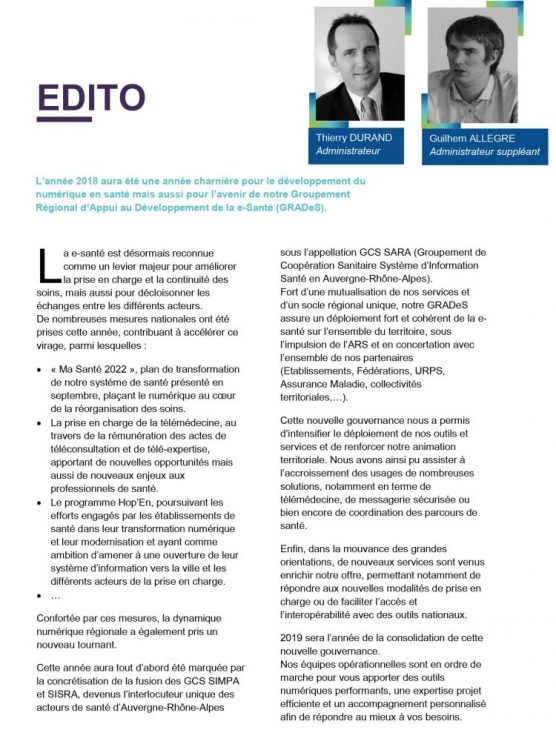
Pourquoi ? Parce qu’il se lit rapidement et qu’il n’est pas nécessaire de s’étendre sur les sujets qui seront traités ensuite de manière approfondie. D’ailleurs pour ces mêmes raisons, nous vous recommandons de limiter la longueur de votre édito.
Si celui-ci est trop long, les lecteurs ne s’attarderont pas dessus. La longueur idéale d’un édito est comprise entre 500 et 800 mots. Plus l’édito est court, plus il doit être percutant. Dans tous les cas, il doit être original (non plagié) car il représente votre entreprise.
Même si vous misez sur la convivialité, il est hautement recommandé de ne pas adopter de termes familiers. Vous êtes un professionnel !
Edito : quelques conseils de rédaction
Voici des conseils pour rédiger un éditorial pertinent et percutant pour vos lecteurs :
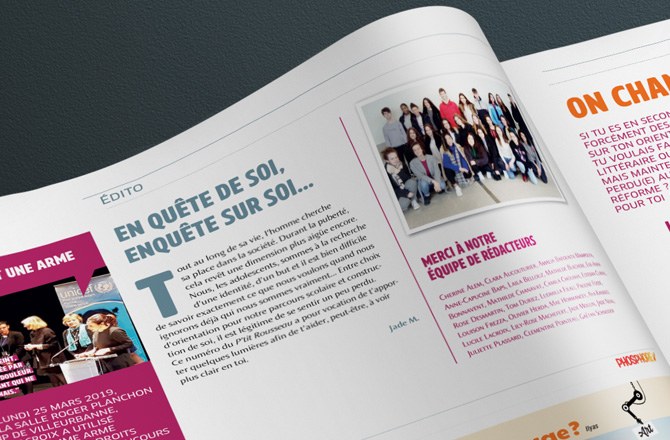
- Un éditorial doit avoir un titre percutant mais aussi une phrase d’introduction qui permettra au lecteur d’entrer directement dans le vif du sujet et de connaître votre point de vue.
- L’introduction doit attiser la curiosité des lecteurs et lui donner envie de lire l’ensemble du magazine ou du journal. Si un article est à l’honneur, précisez-le dans l’édito !
- Si vous donnez des chiffres ou si vous partagez une citation, vous devez impérativement donner la source. Cette démarche montre votre sérieux.
- Dans un édito, il est coutume de s’adresser voire de se comparer à ses adversaires ou ses concurrents. Si vous le faites, évitez les propos calomnieux et démontrez avec des faits vos atouts. La confrontation doit être cordiale !
Les arguments que vous présentez dans l’édito doivent être clairs, tout comme votre objectif. Comme n’importe quel article de qualité, votre éditorial doit répondre aux questions de base : qui, quoi, où, quand, pourquoi et comment.
Notre astuce pour rédiger un édito
Que vous travailliez l’éditorial en solo ou en équipe, vous devez toujours vous assurer de la qualité de vos écrits. L’édito est la première chose qui sera lue, vous serez jugé dessus.
Besoin d’aide pour rédiger votre éditorial ? Vous pouvez compter sur le savoir-faire de Redacteur.com pour profiter de contenus percutants et adaptés à vos besoins.
L’article Comment rédiger un éditorial ? est apparu en premier sur Redacteur.com.