Comme le dit Emmanuel Paolacci, expert en RP digitales, le linkbaiting c’est comme construire une F1 et gagner la course avec. L’idée, c’est de créer du contenu suffisamment intéressant (F1) pour que des journalistes, blogueurs ou des sites web spécialisés, reprennent votre matière afin de le citer dans un article et faire un lien (la course dans l’actualité). Emmanuel explique les méthodes qu’il a découvertes pour certaines et testées pour d’autres.
Le linkbaiting, c’est plus qu’un contenu viral
Le linkbaiting, selon Emmanuel Paolacci, est avant tout une approche proactive qui consiste à créer des contenus “accrocheurs” pour générer de l’intérêt médiatique. Il le compare à un chalutier en mer, où l’on lance une ligne d’hameçon et où l’on espère que des journalistes mordent à l’appât. “Le linkbaiting, c’est une approche créative qui vise à créer un contenu informationnel pour surfer ou créer de l’actualité“, explique Emmanuel.
Il ne s’agit pas de simplement publier des informations intéressantes pour qu’elles soient partagées. Il faut aussi anticiper les moments où les journalistes, les blogueurs et les internautes recherchent ce type d’informations. C’est là qu’une bonne stratégie de linkbaiting entre en jeu. Il faut savoir créer un contenu statique (qui restera valable dans le temps) ou dynamique (qui peut être mis à jour régulièrement) qui captera leur attention.
Comment trouver le bon moment ?
Un des secrets du linkbaiting, c’est de comprendre la “timeline” de l’année, comme le dirait Emmanuel. Cela consiste à repérer les moments-clés où l’on sait qu’un sujet va être sous les feux de la rampe. Par exemple, une marque de crèmes solaires doit savoir que l’été, c’est le moment où leur produit va être le plus recherché. Mais il y a aussi des événements moins évidents comme des changements législatifs qui auront un impact sur les secteurs d’activité.
Emmanuel donne un exemple concret : imaginons que le gouvernement adopte une loi interdisant les crèmes solaires avec moins de 95% de composition naturelle. Dès qu’il y a une annonce officielle, une entreprise vendant ce genre de produit doit réagir très vite. “Il faut être le premier à apporter de la matière et des informations utiles. Quand une loi est discutée, les médias cherchent des chiffres, des analyses, des faits. C’est là qu’on peut se positionner avec du contenu“, souligne-t-il.
Les types de contenus
Dans le linkbaiting, on distingue généralement deux types de contenus : les contenus statiques et les contenus dynamiques.
Les contenus statiques : L’idée ici est de collecter des informations existantes et de les ranger de manière très structurée. Un bon exemple est celui de Backlinko, qui publie chaque année un guide mis à jour sur les dernières statistiques en SEO. “Au-delà de ranker sur Google et de montrer à ce dernier que vous sourcez avec des statistiques vos écrits, vous pouvez attirer via des requêtes informationnelles, des journalistes en quête de chiffres sur un sujet. Ainsi, vous devenez une source d’informations solide, basée sur de la veille de statistiques. Imaginez que vous soyez un expert de votre niche, et il vous reste plus qu’à poser votre verbatim sur les statistiques du secteur pour chercher une interview dans un média. Ici, on cherche à ranker pour attirer, c’est statique.“, explique Emmanuel.
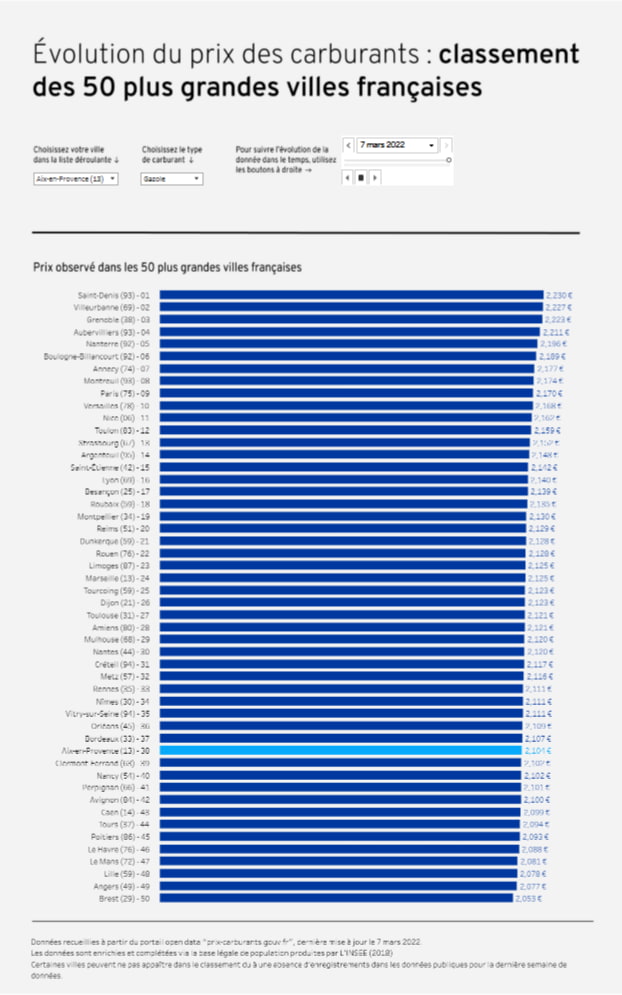
Les contenus dynamiques : Ce type de contenu a un potentiel de viralité bien plus élevé, mais il est plus exigeant à mettre en place. Il est basé sur du contenu cette fois 100% original, dont vous êtes propriétaires. Les sondages en ligne, les outils interactifs comme les calculateurs ou les quiz, permettent d’attirer non seulement les journalistes, mais aussi les utilisateurs qui partagent leur expérience en ligne. Emmanuel a ainsi créé des outils de comparaison des prix de carburant en utilisant l’Open Data. “Ce type de contenu est interactif, ce qui permet aux utilisateurs de personnaliser leur expérience et de revenir pour de nouvelles mises à jour“, souligne-t-il.
L’Open Data pour des contenus à forte valeur ajoutée
Les Open Data, ou données ouvertes, sont des ensembles d’informations publiques mises à disposition par des gouvernements ou des institutions. Ces données peuvent être utilisées pour créer des contenus intéressants et fiables, qui auront un impact fort sur les journalistes et les utilisateurs.
Prenons l’exemple de la campagne d’Emmanuel Paolacci pour Caroom, un comparateur automobile. Grâce à l’Open Data, il a pu créer un outil permettant de comparer les prix du carburant dans différentes villes françaises. En compilant ces données et en les présentant sous forme d’outils interactifs, il a généré une couverture médiatique impressionnante et de nombreux backlinks. “Ce genre de contenu est particulièrement apprécié des journalistes qui n’ont pas forcément les moyens ou le temps de traiter ces données complexes. Nous venons pré-mâcher un travail technique en apportant une vue factuelle particulièrement névralgique au travail d’investigation du journaliste“, précise Emmanuel.
Les sondages pour des données virales
Les sondages sont un outil incontournable du linkbaiting, surtout quand il s’agit de capter l’attention des journalistes. Emmanuel Paolacci s’est spécialisé dans cette méthode pour ses clients, car elle permet de récolter des données fraîches, directement exploitables. Les sondages sont un excellent moyen de donner de la matière aux journalistes qui recherchent des statistiques actuelles.
Il évoque le premier sondage de cette année qu’il a réalisé pour Digitiz, autour des résolutions professionnelles (et pas personnelles, celles dont on a l’habitude) en pointant du doigt la résolution de démissionner : effet wow. Ces données ont été largement reprises par la presse, ce qui a permis à l’entreprise de gagner 48 backlinks et mentions, dont un passage TV. “Les sondages, bien réalisés et bien interprétés, sont une véritable mine d’or pour générer des backlinks et alimenter des contenus“, explique Emmanuel.
Les classements
Les photos et les hashtags d’Instagram par exemple, peuvent aussi servir de source de données pour du linkbaiting. Emmanuel explique que cette méthode sert à créer des classements et des analyses basés sur la popularité des lieux ou des événements en fonction des hashtags les plus utilisés. Par exemple, le site Thortful a réalisé un article sur les endroits les plus “instagrammables” à Noël au Royaume-Uni, basé sur l’analyse des hashtags populaires sur Instagram.
“Les gens adorent savoir quels sont les lieux les plus populaires sur Instagram, et les médias en profitent souvent pour alimenter des articles sur les tendances. Si vous arrivez avec un classement solide, basé sur des données précises, vous pouvez attirer une couverture médiatique intéressante“, précise Emmanuel.

Les reviews pour mettre en avant l’opinion des clients
Les articles “reviews” sont une autre forme de contenu populaire pour le linkbaiting. Emmanuel explique que ces articles peuvent être particulièrement efficaces lorsqu’ils sont centrés sur des aspects originaux.
Il évoque l’exemple de SpaSeekers, qui a fait un article sur les “demandes les plus bizarres“ reçues pour des réservations de chambres d’hôtel, basé sur leurs données internes. L’article a été centré sur les demandes les plus farfelues lors de la Saint Valentin, comme des clients demandant si le personnel du room service serait nu, si les télévisions avaient des chaînes “pour adultes” ou encore si les murs étaient bien insonorisés.
L’aspect léger et amusant de cet article l’a rendu très attractif pour les journalistes. “C’est drôle et original, en plein dans un contexte Saint-Valentin, c’est de la matière qui permet d’inspirer des médias tout en étant lié à un sujet qui parle aux gens.“, raconte Emmanuel.
Les calculateurs et quiz pour des contenus ludiques
Une autre approche qui fonctionne très bien pour le linkbaiting est la création d’outils interactifs, comme des calculateurs ou des quiz. Ces contenus incitent les utilisateurs à interagir et peuvent rapidement devenir viraux, notamment lorsqu’ils sont liés à des sujets d’actualité.
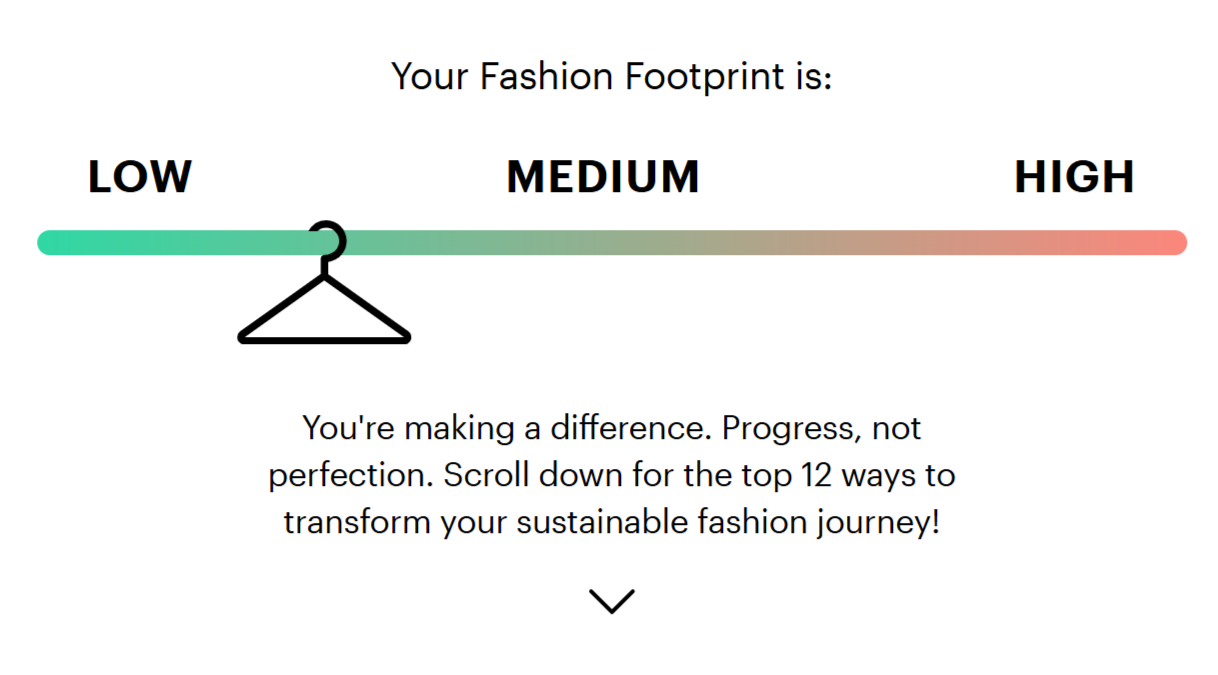
Emmanuel évoque un exemple où une entreprise de mode a créé un calculateur d’empreinte carbone pour ses clients. Ce type d’outil est à la fois ludique et informatif, et il est extrêmement partageable sur les réseaux sociaux. “Cette approche a plusieurs vertus. Non seulement elle peut être utilisée comme une démarche créative et de sensibilisation pour faire des retombées médiatiques, mais elle est aussi très pertinente pour faire de l’acquisition via de la publicité comme hook. Du 2 en 1 qui renforce l’expérience utilisateur.“, indique Emmanuel.
La gamification pour générer des données
La gamification, c’est l’ajout de mécanismes de jeu dans des situations non ludiques pour augmenter l’engagement. Dans le cas du linkbaiting, cela peut prendre la forme de tests interactifs, de jeux, comme l’exemple d’un jeu basé sur le stroop effect, créé par Lenstore, un vendeur de lentilles de contact.
Emmanuel rappelle qu’en plus de créer du contenu viral, la gamification permet aussi de générer des données intéressantes. “La gamification permet de capter l’attention d’un public large, tout en produisant des données précieuses qui peuvent être partagées avec les médias pour générer des backlinks“, précise-t-il.
La corde sensible, c’est la méthodologie
Une des règles d’or de Emmanuel Paolacci en matière de linkbaiting, c’est la méthodologie. Chaque donnée doit être vérifiée plusieurs fois pour garantir sa fiabilité. Pour lui, il est fondamental de ne pas se contenter de sources douteuses ou de statistiques approximatives. “La crédibilité de votre contenu est essentielle. Si un journaliste veut comprendre comment vous avez obtenu vos chiffres, il faut pouvoir lui expliquer de manière claire et détaillée. C’est ce qui fait la différence et facilite votre couverture médiatique“, insiste-t-il.
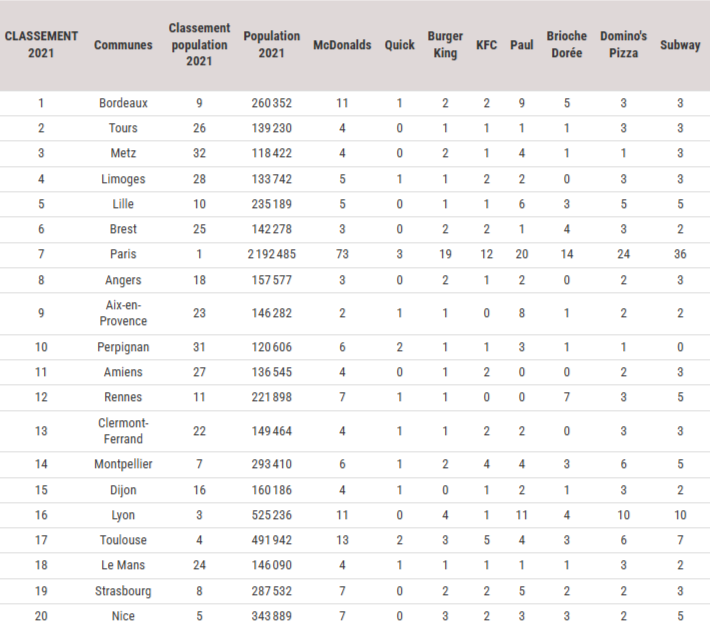
Il donne un exemple où, lors de la première campagne du classement de la malbouffe, un journaliste de La Dépêche lui a demandé des explications sur la méthodologie utilisée. “Il voulait savoir comment j’avais récolté les données et validé les informations. Quand je lui ai expliqué tout le processus, qui pour le coup, était très poussé et logique, il a immédiatement décidé de publier l’article“.
Le linkbaiting est une technique puissante mais qui nécessite une planification soignée. Que ce soit en créant des contenus statistiques, grâce à de l’Open Data, ou en développant des outils interactifs et des quiz, Emmanuel Paolacci montre qu’il existe de nombreuses manières de faire du linkbaiting efficace. “Le secret, c’est de se poser les bonnes questions, de bien préparer son contenu, et de toujours rester transparent dans ses méthodes avec une lecture d’anticipation ou de réactivité par rapport à l’actualité“.
L’article “Les méthodes du linkbaiting : Comment créer des contenus viraux et générer des backlinks” a été publié sur le site Abondance.