90% des e-commerces échouent 4 mois après leur lancement. Loin de vous décourager, cette statistique rappelle la nécessité de créer un solide business plan avant de lancer votre activité en ligne.
Pour rappel, le business plan permet :
- Une meilleure compréhension de votre entreprise
- L’identification des ressources nécessaires à votre fonctionnement
- La définition d’une feuille de route pour l’avenir
- Une meilleure analyse de la concurrence
- Le repérage de menaces et d’opportunités
Alors, comment créer le meilleur business plan pour votre activité ? Voici 5 conseils !
1. Utiliser Google Trends pour déterminer la demande du marché
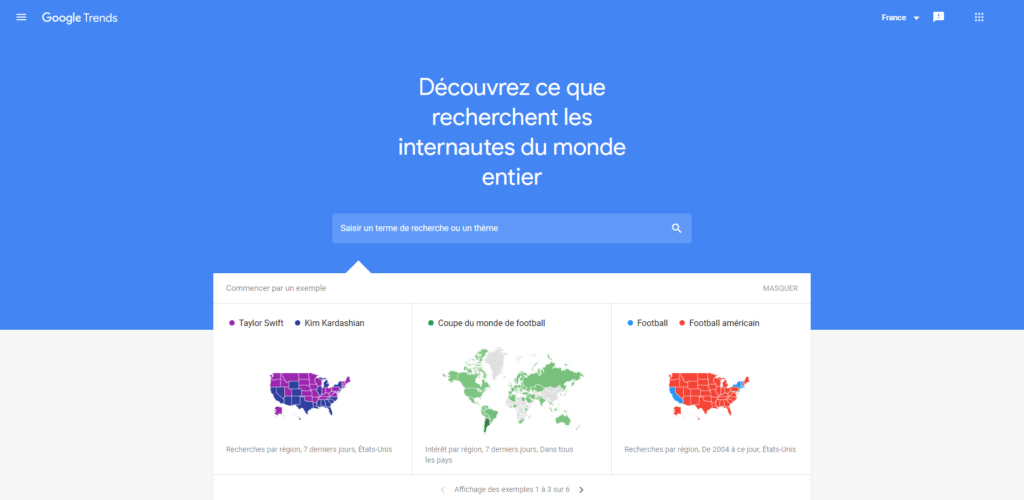
L’une des premières étapes d’un business plan est de trouver quels produits commercialiser sur votre boutique en ligne. Même si vous avez déjà votre petite idée sur le sujet, il est important de déterminer si les consommateurs sont sur la même longueur d’onde que vous. Pour le savoir, utilisez Google Trends ! Cet outil vous aide à identifier les tendances dans votre niche.
De plus, il calcule la popularité d’une expression clé pendant une période spécifique. Ses données peuvent être classées selon votre zone géographique. Ainsi, vous pouvez déterminer si vos produits sont demandés par les consommateurs. Il peut également vous aider à trouver une proposition de valeur pour vous distinguer de la concurrence.
En outre, Google Trends permet de comparer plusieurs expressions de recherche. Ce qui vous permettra de définir votre stratégie de référencement, pour plus tard.
2. Analyser la concurrence avec Google Shopping
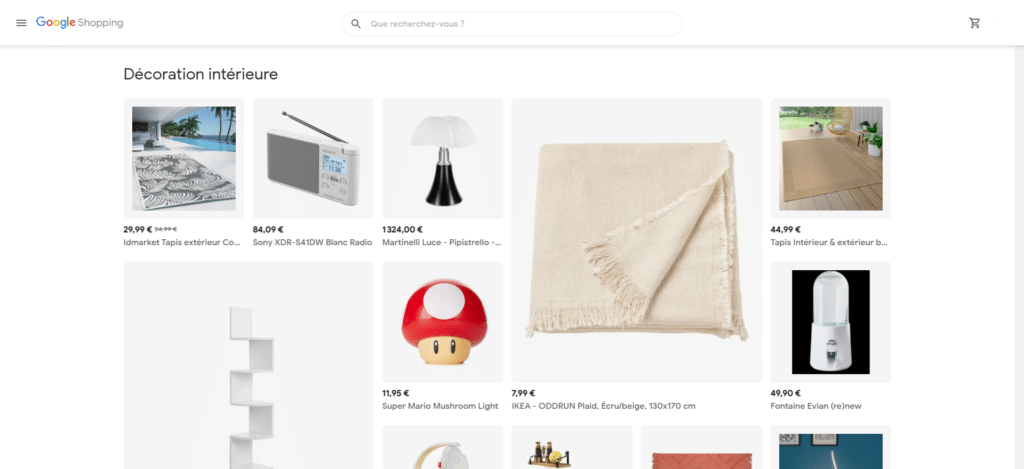
Le moyen le plus simple et rapide d’analyser la concurrence est d’utiliser Google Shopping. Recherchez le produit que vous avez choisi et vous pouvez découvrir tous les sites e-commerces qui le vendent.
Consultez leurs boutiques et dressez la carte de la concurrence pour savoir où vous voulez exactement vous positionner. Rendez-vous sur leurs réseaux sociaux et blogs pour identifier leur stratégie marketing. Vous pouvez aussi chercher leurs fournisseurs.
Après cette analyse, vous pouvez déterminer votre fenêtre d’opportunité pour entrer sur le marché. Vous êtes prêt à trouver le fournisseur ou un fabricant pour vos produits, mais aussi fixer votre politique de prix.
3. Définir les outils pour créer et gérer votre boutique
La prochaine étape de votre business plan est définir les outils qui vous aideront à convertir les visiteurs en consommateurs, et les acheteurs en clients fidèles.
Pour cela, vous devez lister les logiciels pour gérer :
- La boutique en ligne
- La comptabilité
- Le traitement des paiements
- Les paniers d’achats
- Les réseaux sociaux
- La relation client
Heureusement, il existe des outils CMS (Content Management System) et CRM (Customer Relationship Management) pour vous aider. Ces outils offrent parfois plusieurs solutions en une.
L’idée est donc de faire un tour du marché pour trouver les outils qui correspondent à vos besoins et à votre budget. N’hésitez pas à faire appel à un freelance pour vous aider à choisir les plateformes adaptées à vos attentes techniques.
Votre business plan doit contenir les solutions choisies, ainsi que les frais inhérents.

4. Attribuer un coût à vos sources de trafic
SEO, SEA, réseaux sociaux, marketing d’influence, blog, emailing, marketplace, affiliation, forums… Le trafic vers votre e-commerce (et les ventes !) va provenir de diverses sources. Certaines sont organiques, d’autres payantes, mais elles nécessitent toutes un investissement !
Vous devrez donc fixer vos objectifs, apprendre à connaître vos consommateurs, pour déterminer un plan d’action digitale. Votre business plan e-commerce devra contenir le plan détaillé, ainsi que les coûts nécessaires au développement de chaque canal de trafic.
5. Estimer le chiffre d’affaires de votre e-commerce
En plus du prix de votre stratégie marketing, il existe plusieurs frais récurrents dans la gestion d’un e-commerce.
Parmi ces charges, on retrouve le coût d’acquisition de vos produits, de votre abonnement aux outils, du service de logistique (comme Amazon FBA pour le stockage et l’envoi de vos colis, par exemple) et les frais fixes. Vous devrez aussi prévoir les imprévus liés aux retards de livraison ou aux retours produits.
Par ailleurs, il est important de calculer le nombre d’acheteurs potentiels (en fonction de la taille de votre marché et des campagnes mises en place), ainsi que le panier d’achats moyen.
Cela vous permettra d’estimer un chiffre d’affaires prévisionnel pour votre e-commerce et de définir la viabilité de votre projet.
Conclusion
Créer un business plan pour votre e-commerce est indispensable pour planifier le développement de votre activité.
N’hésitez pas à demander l’aide d’un expert pour remplir au mieux cette feuille de route et assurer le succès de votre boutique en ligne ! Postez votre projet gratuitement sur Codeur.com pour recevoir des devis.