Dans le monde vaste et complexe des médias sociaux, une pratique discrète, mais influente fait l’objet de débats intenses ; le Shadowban.
Ce procédé, utilisé par plusieurs plateformes, affecte à la fois la visibilité des utilisateurs et la portée du contenu qu’ils partagent. Également connu sous le nom de bannissement fantôme ou silencieux, le shadowban peut être une arme double tranchant, levant des questions importantes sur la liberté d’expression et la régulation des contenus en ligne.
Mais qu’est-ce que le shadowban exactement? Comment fonctionne-t-il et comment peut-on détecter si on en a été victime? À travers cet article, nous tenterons de démystifier ce concept et d’explorer l’influence qu’il exerce sur notre expérience des médias sociaux.
Le “shadowban” ou bannissement fantôme

Le shadowban, parfois appelé bannissement fantôme ou bannissement silencieux, est une pratique utilisée sur les réseaux sociaux où les opérateurs de la plateforme limitent la visibilité du contenu d’un utilisateur sans le notifier directement. En d’autres termes, une personne qui a été « shadow-ouverte » continue de publier normalement, mais sans se rendre compte que ses publications n’atteignent pas leur audience habituelle.
Ce qui rend cette pratique particulièrement sournoise est le fait qu’il est souvent difficile pour l’utilisateur de dire s’il est vraiment en train de se faire shadowban ou si ses messages sont simplement moins populaires pour d’autres raisons. En effet, les plateformes qui pratiquent le shadowban n’accusent souvent pas réception de cette action et ne fournissent pas nécessairement de critères clairs sur ce qui peut déclencher une telle sanction.
Suivant les plateformes, le shadowban peut prendre différentes formes : réduction de la portée des publications, non-apparition du contenu dans la recherche ou les fils d’actualité, suppression de la possibilité de commenter…
Cependant, il convient de noter que le shadowban n’est généralement pas utilisé de manière arbitraire, mais comme une mesure préventive ou punitive contre des comportements non conformes aux conditions d’utilisation d’une plateforme, tels que le spam, le harcèlement, la publication de contenus haineux ou trompeurs… etc.
Note : Il est important de se rappeler que le shadowban est souvent un outil utilisé pour lutter contre le spam ou les comportements abusifs sur ces plateformes, ce n’est pas une action prise sans cause.
Les bonnes pratiques pour éviter le shadowban ou s’en sortir
Suivez les règles de la communauté
Chaque plateforme sociale a des règles distinctes sur ce qui est acceptable et ce qui ne l’est pas. Cette information est généralement facile à trouver dans les sections d’aide ou FAQ des plateformes. Les infractions courantes incluent le harcèlement, la promotion exagérée, l’utilisation de langage offensif et le partage de contenu interdit.
De plus, chaque plateforme a également des règles concernant l’utilisation de ses fonctionnalités, alors assurez-vous de comprendre comment elles fonctionnent avant de les utiliser.
Soyez authentique
Habituellement, les spammeurs occupent les plateformes sociales avec du contenu dupliqué et non pertinent. Donc, pour éviter d’être catalogué comme spammeur, assurez-vous que votre contenu est unique, pertinent et ajoute de la valeur à la communauté.
Évitez également les tactiques de spam typiques comme trop taguer des personnes ou des marques, ou laissez des commentaires génériques sur un grand nombre de posts.
Interagissez de manière significative
Au lieu de simplement liker ou partager du contenu, essayez d’ajouter des commentaires réfléchis qui contribuent à la conversation.
Partagez vos idées, posez des questions et engagez-vous avec les autres de manière authentique.
Faites attention à votre fréquence de publication
Poster constamment du contenu en peu de temps ou à des heures irrégulières peut donner l’impression que vous êtes un spammeur. Essayez de trouver un horaire régulier pour poster qui convient à vous et à votre audience.
N’utilisez pas de bots ou de logiciels tiers douteux
Certains outils de gestion des médias sociaux peuvent être utiles, mais d’autres peuvent enfreindre les règles des plateformes sociales. Assurez-vous que tous les outils que vous utilisez sont approuvés par les plateformes.
Résolvez rapidement les problèmes
Si vous êtes confronté à un problème, comme un post qui a été supprimé pour une raison quelconque, assurez-vous de le résoudre rapidement.
Inactivez tous les comportements qui ont pu causer le problème, et si nécessaire, contactez le support de la plateforme pour demander de l’aide ou des éclaircissements.
Variez vos hashtags
Une pratique courante des spammeurs est d’utiliser les mêmes hashtags encore et encore. Pour éviter ça, variez les hashtags que vous utilisez et assurez-vous qu’ils sont pertinents pour chaque post.
N’achetez pas de followers ou de likes
Cela peut sembler une manière rapide de gagner en popularité, mais la plupart des plateformes peuvent détecter ce comportement et pourraient vous punir avec un shadowban ou même une suspension.
Les plateformes qui subissent le shadowban
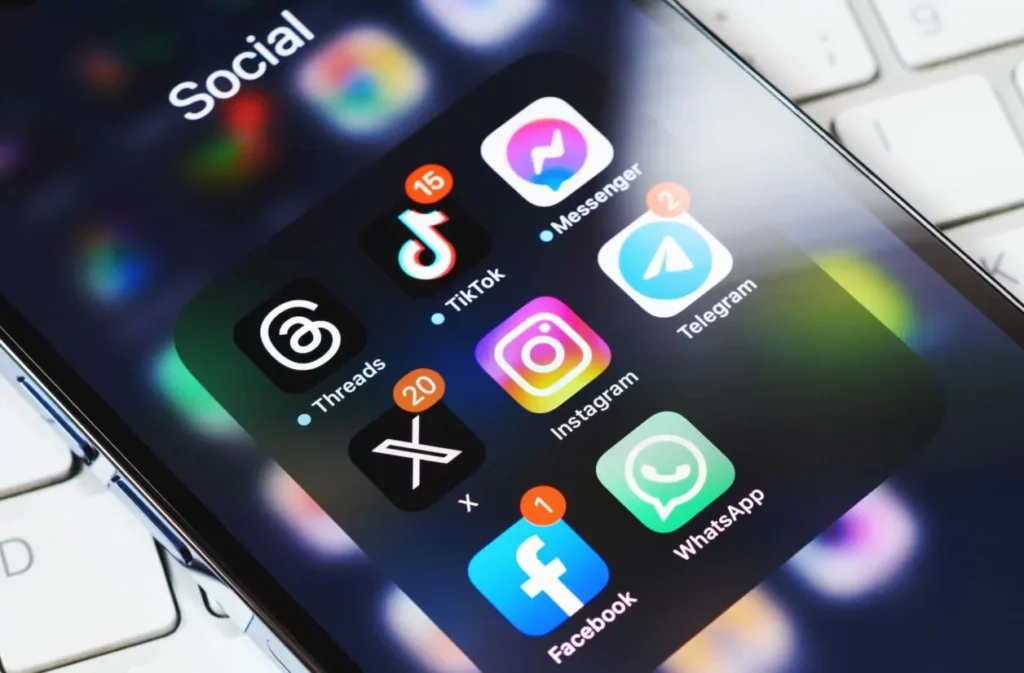
Le shadowban est une pratique courante sur de nombreuses plateformes de médias sociaux, bien que chacune l’implémente d’une manière légèrement différente. Voici quelques exemples de plateformes connues pour avoir utilisé cette méthode :
- Instagram : Un shadowban sur Instagram peut résulter en vos posts n’apparaissant pas dans les résultats de recherche pour les hashtags non-followers, ce qui peut dramatiquement réduire votre portée.
- Twitter : Twitter a été accusé de shadowban certains comptes, en masquant leur contenu de la recherche Twitter et en rendant leurs tweets visibles uniquement à leurs followers existants.
- Reddit : Reddit est connu pour avoir une forme sévère de shadowban où les utilisateurs peuvent continuer à poster, mais aucun autre utilisateur ne peut voir ces posts.
- Facebook : Facebook est également connu pour utiliser une forme de shadowban dans laquelle la portée des publications d’un utilisateur peut être limitée.
- YouTube : YouTube peut limiter la visibilité d’une vidéo, en la rendant déclassée dans les résultats de recherche ou en la masquant complètement à certains utilisateurs.
- TikTok : TikTok a également été accusé de pratiquer le shadowban, en limitant les vues de certains vidéos ou comptes.
- LinkedIn : Une mise sous shadowban entraînerait une diminution radicale de la visibilité de l’utilisateur. Il pourrait poster des contenus mais ne recevrait que peu ou pas de réactions. LinkedIn peut utiliser le shadowban pour limiter l’impact des utilisateurs qui enfreignent les règles de la plateforme, par exemple en faisant du spam ou en harcelant d’autres utilisateurs.
- Pinterest : Le shadowban peut se manifester de manière similaire. Les épingles de l’utilisateur impacté pourraient ne pas apparaître dans les recherches des autres utilisateurs ou avoir une visibilité réduite. Cette mesure peut être adoptée si Pinterest suspecte que l’utilisateur enfreint ses règles d’utilisation.
- Snapchat : Sur Snapchat, l’instauration d’un shadowban pourrait se manifester par une réduction soudaine de la portée des contenus partagés ou par l’échec de l’envoi des snaps à tous les abonnés.
Conclusion
Le “shadowban” est une mesure mise en place par les plateformes de médias sociaux pour limiter la visibilité du contenu des utilisateurs qui, selon eux, ne respectent pas leurs règles et réglementations. Cependant, dans certains cas, cela peut être une erreur.
Pour éviter d’être victime de “shadowban”, il est important de respecter les règles de la plateforme, d’utiliser des hashtags appropriés, d’interagir de manière authentique et d’éviter les comportements de spam.
Si vous pensez que vous avez été injustement shadowbanned, il est préférable de contacter le support de la plateforme pour obtenir de l’aide. En fin de compte, le but est de créer un environnement social en ligne sûr et respecté qui favorise la communication et l’échange positifs.